





I've always written with classical music playing in the background.
In college, Vivaldi's Four Seasons was the perfect companion to late-night essays pecked out on my Brother word processor. Each movement — and many cups of black coffee — helped my scattered ideas waltz neatly into place.
These days, whatever's streaming on the New York classical music station WQXR becomes the soundtrack to my work — sometimes Chopin, sometimes Mozart, and, on lucky days, my personal favorite, Bach. The ritual muffles the distractions, quiets the pings of technology and helps carve out a space where my thoughts can breathe.
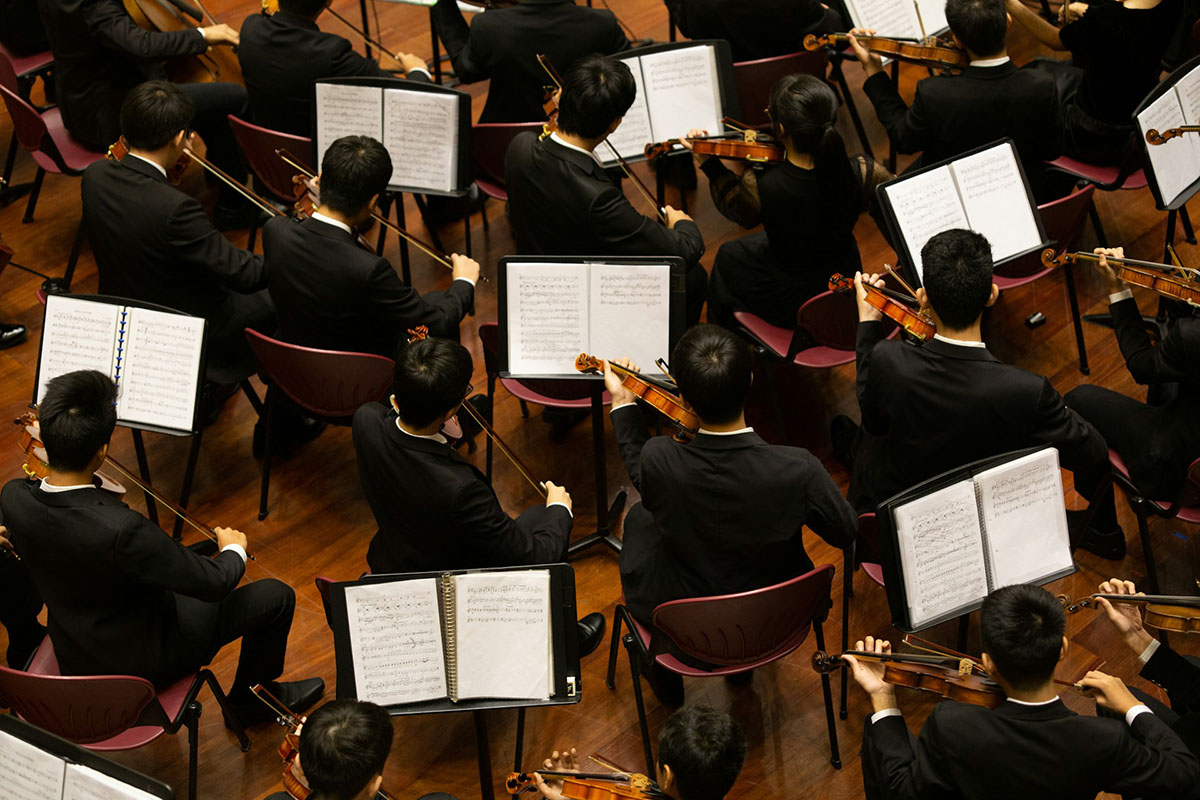
As much as I adore classical music — and even toyed with the idea of becoming a professional French horn player — I recognize that the genre faces considerable challenges. Devotees like me are aging, and younger listeners seem more apt to stream playlists than sit through three-hour symphony performances. At the same time, state funding of the arts has been slashed, performance costs are rising and ticket sales alone can't keep the lights on.
Those and other factors contributed to the recent demise of two Southwest Florida orchestras. The Punta Gorda Symphony shut down in January 2024 after nearly a half-century of music-making. Nearby, the Southwest Florida Symphony, a Fort Myers-based orchestra that served Charlotte and Lee counties, bowed out in June 2025 after six decades.
For violinist Rachel Cox, who played in both orchestras, the loss hit hard. "It's very sad. Because for many of us, you know, we invested a lot of our lives into these two orchestras," she told the Naples Daily News. And the community took a big hit as well. It was like a "chunk of our humanity just died," she told the paper. "The arts are really the emotional glue that holds a community together."
That glue matters to more than just classical music aficionados. When orchestras fail, businesses feel the repercussions. Restaurants lose dinner crowds, hotels see fewer visitors and cities risk losing the cultural heft that attracts talent and investment. Beyond that, concerts are places where a surgeon, a teacher, a middle-schooler and a retiree can sit shoulder to shoulder in the dark and listen — and that shared attention is rare in America right now.
Thankfully, Florida's orchestral scene isn't all requiem. While some orchestras have shuttered, many more are thriving and demonstrating how to stay relevant and how to engage younger and more diverse listeners. A notable example is The Florida Orchestra (TFO). The state's largest professional symphony orchestra performs more than 100 concerts each season in Tampa Bay, and TFO's leaders have gone out of their way to make classical music more accessible.
Consider the orchestra's November performance with Troupe Vertigo, a Los Angeles-based theatrical circus, fusing concert and spectacle, with acrobats, aerialists and contortionists soaring, twisting and tumbling in sync to iconic scores by John Williams and other beloved composers. Meanwhile, thousands turn out each year for the orchestra's "Pops in the Park" concerts, which cost nothing, except perhaps a can of food, if attendees wish to support Feeding Tampa Bay.
To cultivate younger listeners, TFO regularly hosts free "Instrument Petting Zoo" events, where children and families get the chance to play string instruments, horns and percussion. And Music Director Michael Francis goes out of his way to connect with audiences through podium talks. It's important, he says, for concert-goers to "understand the context of why and how the composer wrote the music in this way and why it's still relevant today." Whether it's someone's first classical concert, or their 100th, "we will find a way to help you go deeper into the music," he says.
The orchestra also has made a splash performing film scores live in sync with blockbusters such as Frozen and Jaws. Few young people today take music appreciation classes, Francis reckons, but everyone is exposed to orchestral music through movies, and that impact is huge. "Jaws without the soundtrack is sort of a tourist advertisement for Martha's Vineyard; it's nothing," he says. "With the soundtrack, it's utterly terrifying — so we understand the power of music."
A recent $10-million gift from an anonymous donor to The Florida Orchestra is a resounding endorsement of that force, and a solid vote of confidence in TFO's leadership. Francis describes the record gift as transformative, and one that will ensure the orchestra serves many generations to come. "It will go to our endowment ... which will allow us to have a wide variety of creative and meaningful ways of reaching into our community," says Francis. "When you have an endowment, that really is the bedrock and the foundation of success for most art institutions. This allows us now to have that solidity, that reliability of something we can draw upon each year."
And that kind of reliability matters in the arts as much as it does in business. An orchestra plays differently when it knows it's on firm footing. It's the same assurance I get from having Bach in the background as I write — steady, dependable, quietly keeping everything on track.
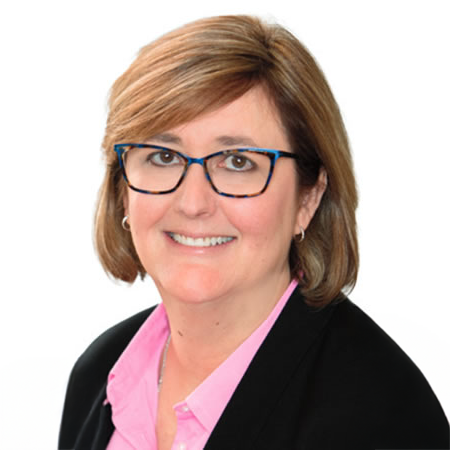
— Amy Keller, Executive Editor, akeller@floridatrend.comAmy Keller
Amy Keller is executive editor of Florida Trend and oversees the magazine's editorial department. Keller's writings have also appeared in Salon, The New Republic, Broadcasting & Cable magazine, REALTOR Magazine, the Atlanta Jewish Times, the Detroit Jewish News and other publications. Keller graduated from The Ohio State University with a degree in journalism.