






While Florida's H-1B ban is set to expire in January, some faculty have inquired about alternative pathways — such as O-1 visas — as potential workarounds.
Sometimes called "genius" or "Einstein" visas, O-1 visas are reserved for those in the top percentage of fields such as the sciences, education, business, athletics, motion pictures or television. The visas last up to three years and can be extended in one-year increments indefinitely. Eligibility criteria include major internationally recognized awards or prizes, membership in sought-after associations, publications, panel participation and prior employment at distinguished institutions. Unlike H-1B visas, there's no annual limit on the number of O-1 visas issued.
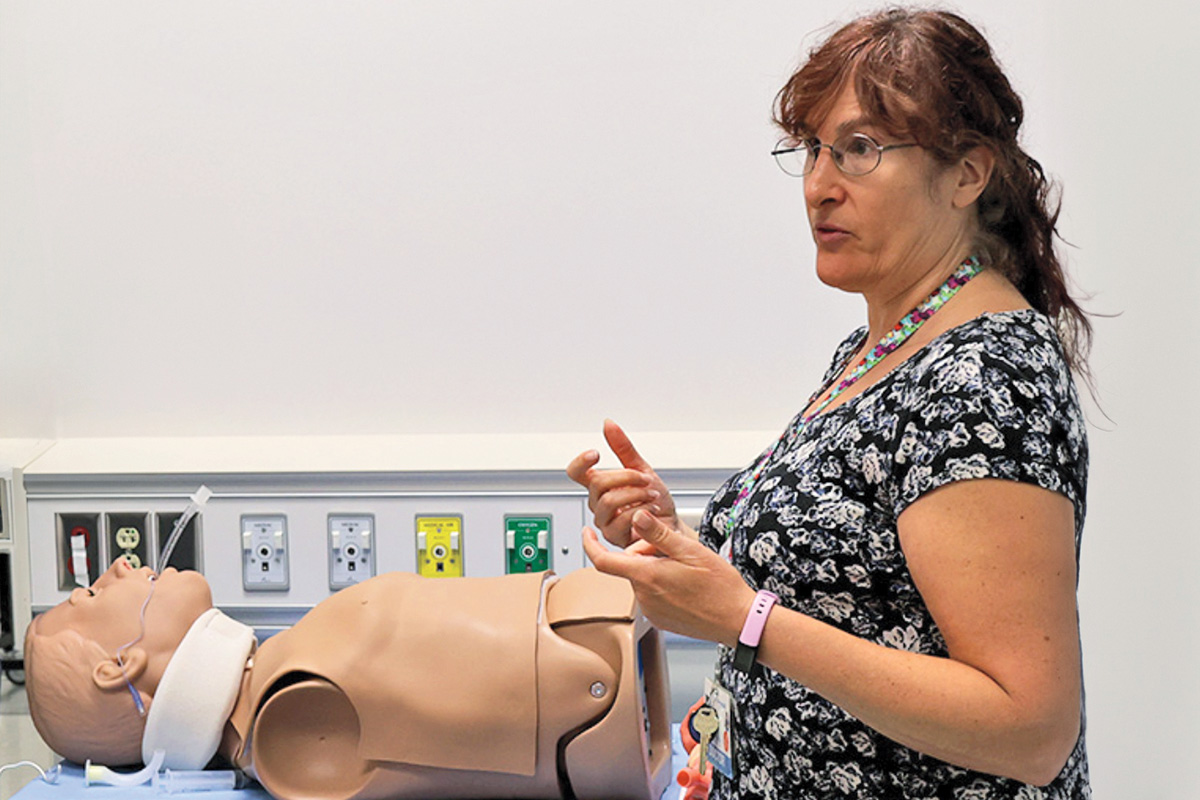
The University of Florida is one state school eying this visa amid the H-1B hiring pause, as mentioned by interim Provost and Executive Vice President for Academic Affairs Joseph Glover at several faculty senate meetings. Dr. Lauren Berkow — a professor of anesthesiology in the UF College of Medicine — said at a March 12 meeting that the college has secured several O-1 visas for new recruits.
O-1 visas could apply to some potential university hires who would've qualified for the H-1B visas, but immigration policy experts say the prestigious designation is not a total catchall. "The standard is you have to be at the very top of the field. ... There's going to be a lot of people in academia, or very experienced professionals, who are very capable but who have not quite reached that level of recognition," says Frank Symphorien-Saavedra, an Orlando-based immigration lawyer. He estimated a small fraction of H-1B professionals could qualify for O-1 visas. "A lot of them are going to be denied if they try to go the O-1 route."
Another option would be pursuing permanent residency through employment-based visas such as EB-1 or EB-2, which allow qualified foreign nationals to permanently live and work in the U.S.