









Q & A
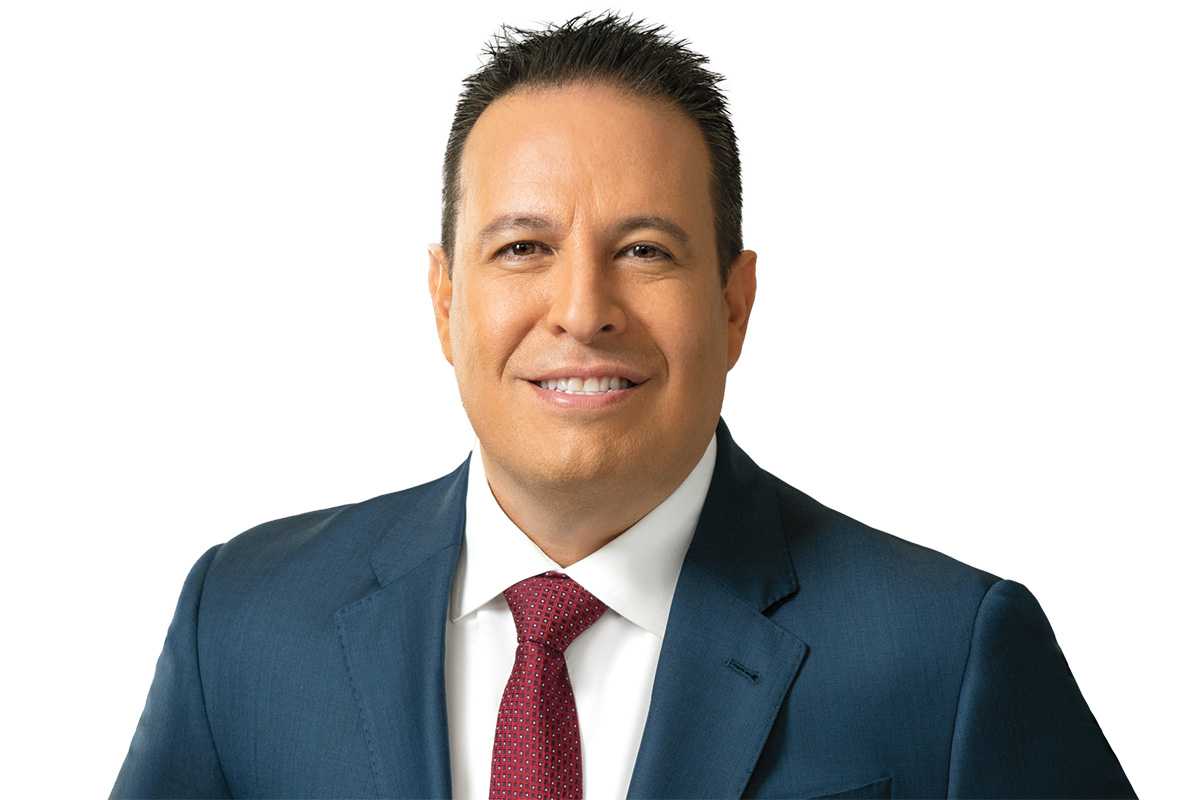
WALTER BENENATI, FOUNDER, BENENATI LAW FIRM
After his parents passed away, Walter Benenati lived off credit cards to put himself through law school. Debt accumulated. He filed bankruptcy in 2008.
Now, after nearly two decades as a bankruptcy attorney himself, he sees bankruptcy as a "restart button" for his clients. His team — Orlando-based Benenati Law Firm — filed 909 Chapter 7 filings last year, ranking No. 2 among Florida firms and No. 5 nationwide.
In an interview with FLORIDA TREND, he shares what trends are commanding the state's bankruptcy landscape.
FLORIDA TREND: How's Florida faring with bankruptcy filings?
Benenati: My firm primarily handles consumer bankruptcy, which is Chapter 7s and Chapter 13s. I've seen a big uptick of franchises that can't afford to pay their royalty fees or leases, and they're suffering. There are many people who pulled out SBA loans, EIDLs (Economic Injury Disaster Loans) or merchant cash advances during the pandemic that just can't pay them anymore.
There was recent news that the (Trump) administration might start garnishing wages for student loans. A lot of clients are super concerned that may begin because they can't afford to pay.
Another major trend we're seeing is the six-figure income filer. People assume most bankruptcy filers don't make a lot of money, but we get a lot of Chapter 13 filers that are making over $200,000 a year between two spouses. A lot of people filing are making good money, but they just cannot keep everything afloat because of rising costs. I now say, '$200K is the new $100K.'
FT: Are certain industries or demographics filing more?
Benenati: In Central Florida, we're seeing a huge uptick of baby boomer filers. They're probably the largest segment of people filing because they are living off credit cards. In the past, their adult children would have helped them, but the adult children are too maxed out to help. So, they come to see me. They're very reluctant because they've heard horror stories about bankruptcy. In reality, it's a proactive approach to resolving your debt. Oftentimes, the only thing that you lose in a bankruptcy is your debt. In Florida, we have the homestead exemption, which protects your home, and an exemption for vehicles.
I feel part of my job is to educate consumers that the bankruptcy code is designed to help you get a fresh start. In my mind, I'm helping people with their mental well-being. There are stories about folks who killed themselves because of their debt. That should never happen because there are ways to get rid of debt. My goal is for somebody to file bankruptcy with me, and then I never see them again because they started doing things the right way.
FT: What are you anticipating for 2026?
Benenati: We anticipate this year's filing count to be either higher or equivalent to 2009, when there was a huge number of cases filed. It's the perfect storm of rising rent, insurance and grocery costs. Now, some may argue that we're in the Instagram generation. Sometimes I have clients who — for lack of better words — try to keep up with the Joneses and portray they're doing a lot better than they are. That's a major problem, because they're really just using credit cards to maintain this lifestyle. One thing in particular I like to mention: This generation spends money on Uber Eats and DoorDash like it's going out of style. That adds up.
— By Brittney J. Miller