










Across Florida, development projects are becoming more complex to finance and execute. Rising costs, labor constraints, unpredictable permitting timelines and longer material lead times often leave developers with less margin for error and fewer opportunities to course-correct.
One of the most effective ways to manage that risk is by bringing a civil contractor into the process early, before key decisions are finalized.
"The earlier you bring a civil contractor into a project, the more control you have over cost, schedule and how the work actually gets done," says Wesley Enfinger, a regional manager with Phillips Heavy Civil, a contractor specializing in large-scale site development and infrastructure across the Southeast. "Once plans are finalized, you're working within the constraints of what's already been designed."
Here's how early coordination with a civil contractor can help developers and municipalities:
Reduce Earthwork Costs
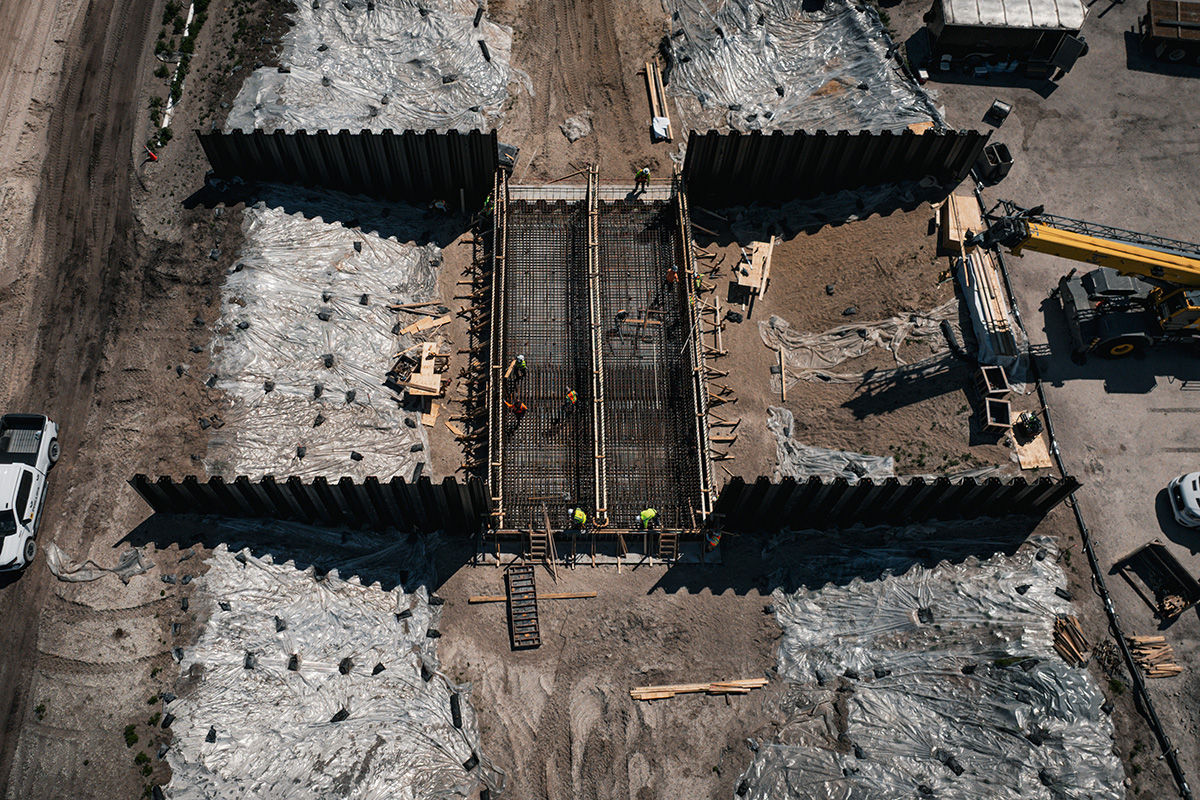
On most projects, some of the largest cost drivers are tied to earthwork and site development. Reviewing grading plans, soil conditions and material availability before construction begins can reveal where design assumptions may lead to unnecessary cost.
"Earthwork is the most significant cost driver in preparing a site for a project," says Enfinger. "If you can adjust the plan early to avoid deep land cuts, limit import and export of dirt and have a good plan for the material and equipment needed, you can significantly reduce hauling costs and the overall project spend."
Improve Infrastructure Decisions
Coordination during the planning phase creates an opportunity to properly evaluate infrastructure decisions before they are finalized, which can help teams identify more efficient approaches.
Enfinger says in some cases that means rethinking infrastructure layout, including utility routing, stormwater management and site elevations. That can improve constructability, reduce system complexity and minimize unnecessary work in the field.
Minimize Supply Chain Risk
Procurement and material availability can also significantly influence project success, particularly as long-lead items continue to affect construction timelines across the country.
Materials such as precast structures, pipe, signalization equipment and mechanical components can take months to secure and delays are often tied to when those orders were placed, says Enfinger. Identifying those needs during the planning phase allows teams to coordinate design decisions with availability.
"When we're involved earlier, we can identify long-lead items upfront and align procurement with the construction sequence," says Enfinger. "That helps avoid delays and keeps the project moving."
To learn more about how early civil coordination can make your next project more successful, visit phillipsinc.com.
Tim Clay is Vice President of Phillips Heavy, Inc., which executes projects across Florida for clients including Disney, Universal, Blue Origin, Mosaic and the U.S. Army Corps of Engineers.