




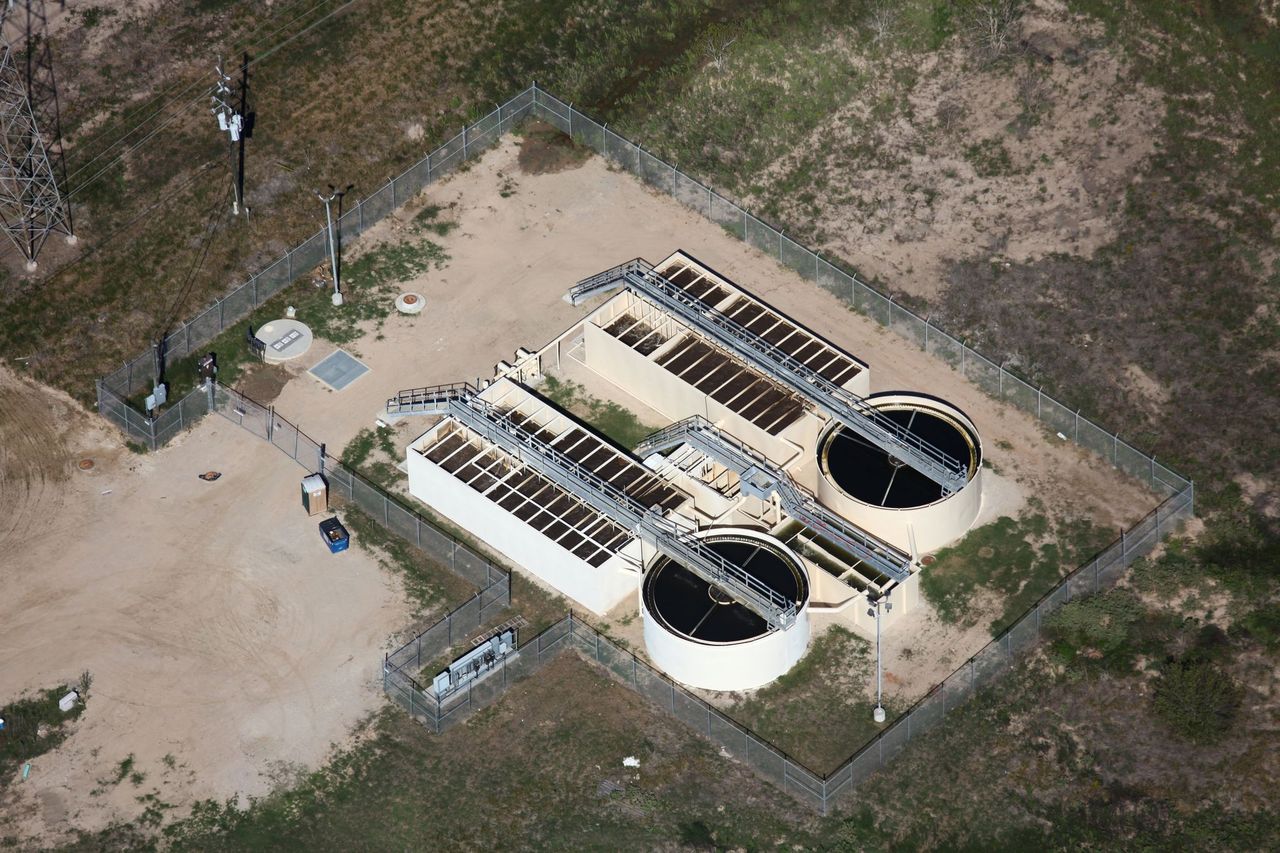
Florida remains one of the fastest-growing states in the country, with continued expansion across master-planned communities, industrial hubs, and logistics corridors. In many parts of the state, that growth is placing new pressure on water and wastewater infrastructure that must be in place before development can move forward.
Water and wastewater capacity is often required before a certificate of occupancy can be issued, meaning infrastructure must be delivered ahead of demand. For municipalities and developers, that timing challenge is becoming more difficult to manage as project costs rise and capital planning becomes more constrained.
Growth Is Colliding With Capital Constraints
At the same time, traditional financing models are under strain. Municipalities are balancing competing priorities such as roads, schools, stormwater systems, and public safety. Rising construction costs and higher interest rates have made projects more expensive, and even well-managed utilities may face limits on bond capacity. In fast-growing areas, securing funding can become a bottleneck that slows otherwise viable projects.
Water infrastructure presents a distinct set of financial and operational challenges. Large centralized treatment plants are capital-intensive assets designed to last 20 to 30 years or more. Building these facilities requires significant upfront investment, often for capacity that may not be fully utilized for years.
These projects are typically delivered through the design-bid-build (DBB) process, which can take years from planning to completion. In Florida, permitting requirements, regulatory reviews, and compliance with nutrient standards and storm-hardening requirements can further extend timelines. Once a project moves forward, municipalities assume responsibility for construction, operations, maintenance, and regulatory compliance.
That combination of long timelines, upfront capital, and operational responsibility introduces risk. Cost overruns, staffing shortages, and evolving regulatory requirements can all affect performance over time. For developers, the challenge is similar. Infrastructure must often be installed early in a project lifecycle, well before revenue is realized from home sales or leases.
As a result, water infrastructure decisions are increasingly shaping balance sheets. While municipal bonds remain a widely used tool, they are not the only option, and they come with trade-offs. Allocating capital to treatment plants can limit flexibility for other priorities, from transportation to resilience investments. For developers, early infrastructure spending can affect cash flow and project timing.
Alternative Delivery Models Gain Traction
In response, some communities and developers are beginning to explore alternative delivery models that better align capital, risk, and growth timelines. Seven Seas Water Group is among the companies working in this space, using models such as performance-based service agreements, build-own-operate structures, lease-based systems, and Water-as-a-Service® arrangements.
Rather than requiring a full buildout on Day 1, a phased infrastructure approach can scale alongside development. This allows capacity to be added incrementally, reducing the need to overbuild and wait for demand to catch up. In high-growth markets, the ability to deploy infrastructure more quickly can be a key advantage.
Risk Transfer as a Governance Strategy
These models can also change how risk is managed. In traditional approaches, municipalities retain responsibility for construction, operations, maintenance, and compliance. Alternative structures may shift some of that responsibility to specialized providers, creating more predictable cost structures and reducing exposure to unexpected maintenance or performance issues.
Operational considerations are also part of the equation. Many utilities are managing staffing constraints, and maintaining consistent performance across aging systems can be challenging. In a state like Florida, where storms and hurricanes are a regular concern, resilience and rapid recovery capabilities are also becoming more important in infrastructure planning.
Taken together, these factors are prompting a broader shift in how water infrastructure is evaluated. The conversation is no longer limited to engineering and permitting. It increasingly includes financial structure, risk allocation, and the ability to align infrastructure delivery with development timelines.
What This Means for Florida's Next Decade
Looking ahead, the way water infrastructure is funded and delivered will continue to shape Florida's growth. Communities that can secure capacity quickly may be better positioned to attract development, while projects in areas with constrained infrastructure may face delays.
Municipal bonds will continue to play an important role, but they are now part of a wider set of tools. As Florida continues to grow, the ability to structure infrastructure to support both timing and financial flexibility may become just as important as the infrastructure itself.
Seven Seas Water Group works with communities and developers across Florida on water and wastewater infrastructure solutions designed to support growth, timing, and financial flexibility. Explore our Florida water and wastewater solutions.
About Seven Seas Water Group
Seven Seas Water Group provides more than 20 billion gallons of water annually across the Americas. Specializing in decentralized Water-as-a-Service® solutions, Seven Seas designs, builds, operates, and upgrades facilities to optimize public-private risk transfer and address global water and wastewater infrastructure challenges for diverse sectors.
About the Author
Erik Arfalk is the Chief Growth Officer at Seven Seas Water Group. With over 20 years of international strategy and business development experience from companies like GE, Atlas Copco, and Fluence, Mr. Arfalk currently leads strategic growth and branding initiatives for Seven Seas.