









The University of Florida brings together world-class research and advanced patient care. In the fight against Parkinson’s disease, that combination is changing lives.
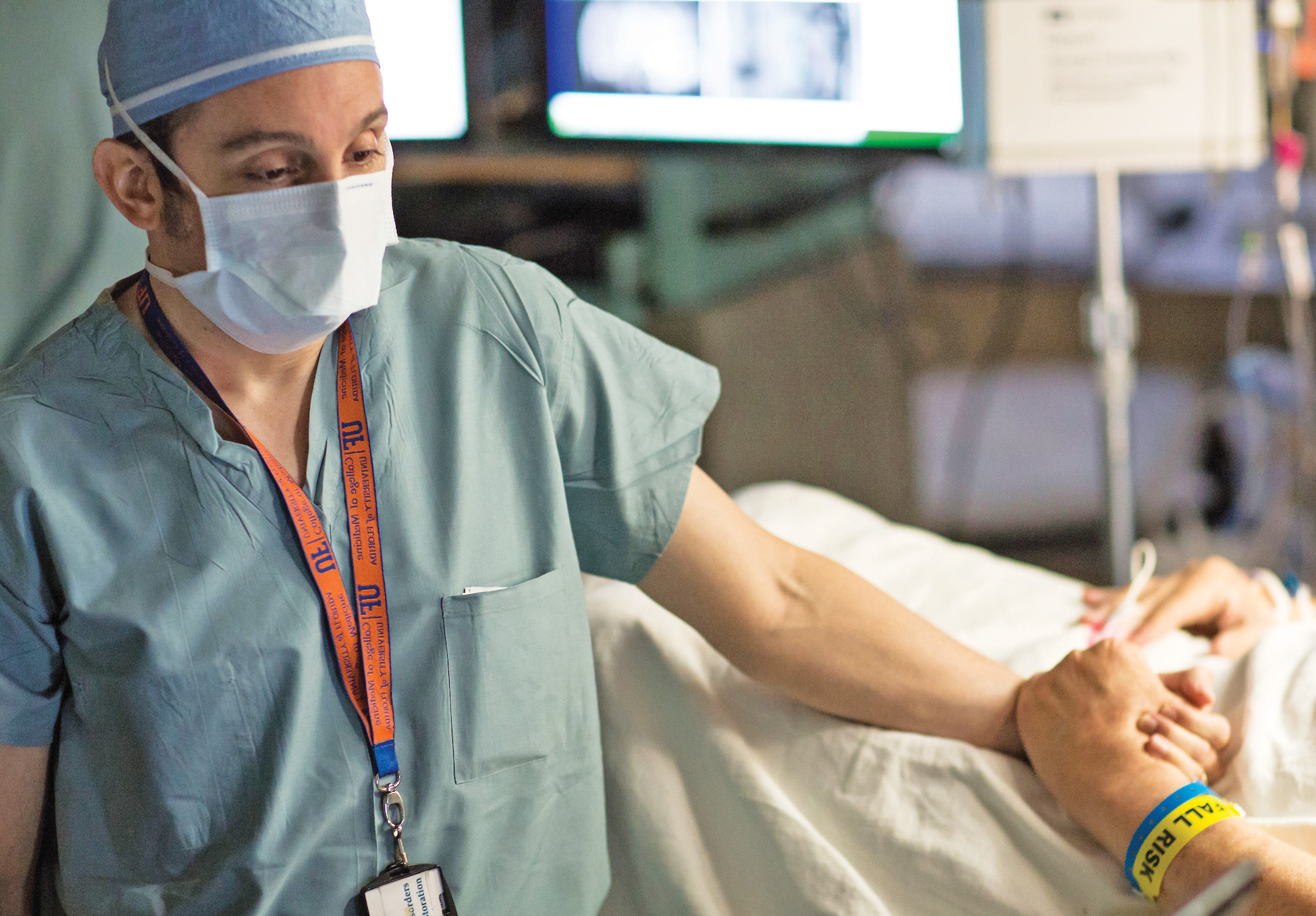
At the helm is Dr. Michael Okun, executive director of the Norman Fixel Institute for Neurological Diseases at UF Health. For more than two decades, Okun and his team have pursued a bold question: What if care began not with the disease, but with the person?
That question became the foundation of what Okun calls the “patient-is-the-sun” model. This revolutionary approach places each patient at the center of a coordinated system of specialists, researchers and support networks. Within the Fixel Institute, neurologists, neurosurgeons, physical therapists, speech pathologists and researchers work side by side, ensuring each decision aligns with a patient’s personal goals.
This seamless collaboration has drawn attention from health systems all around the world, as dozens of international teams have traveled to Gainesville to study UF’s model and adapt it within their own countries.
But Okun’s mission extends beyond treatment. He and his colleagues are leading global efforts to uncover the causes of Parkinson’s and advance prevention strategies that might one day be able to stop the disease before it starts.
Their latest work, captured in Okun’s New York Times–bestselling book The Parkinson’s Plan, calls for a global commitment to prevention, equitable access and affordable dopamine therapy for all who need it. As Okun notes, “Prevention and access go hand in hand. We have to make sure everyone who needs care can get it.”
That vision is a reality at UF. Through collaborative science, patient advocacy and a relentless pursuit of hope, the Fixel Institute is helping shape a future where Parkinson’s may one day be prevented entirely.
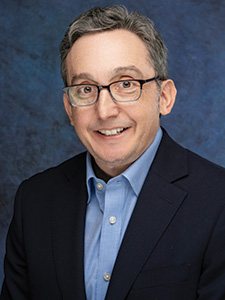
Dr. Michael Okun | Executive Director, Norman Fixel Institute for Neurological Diseases at UF Health