











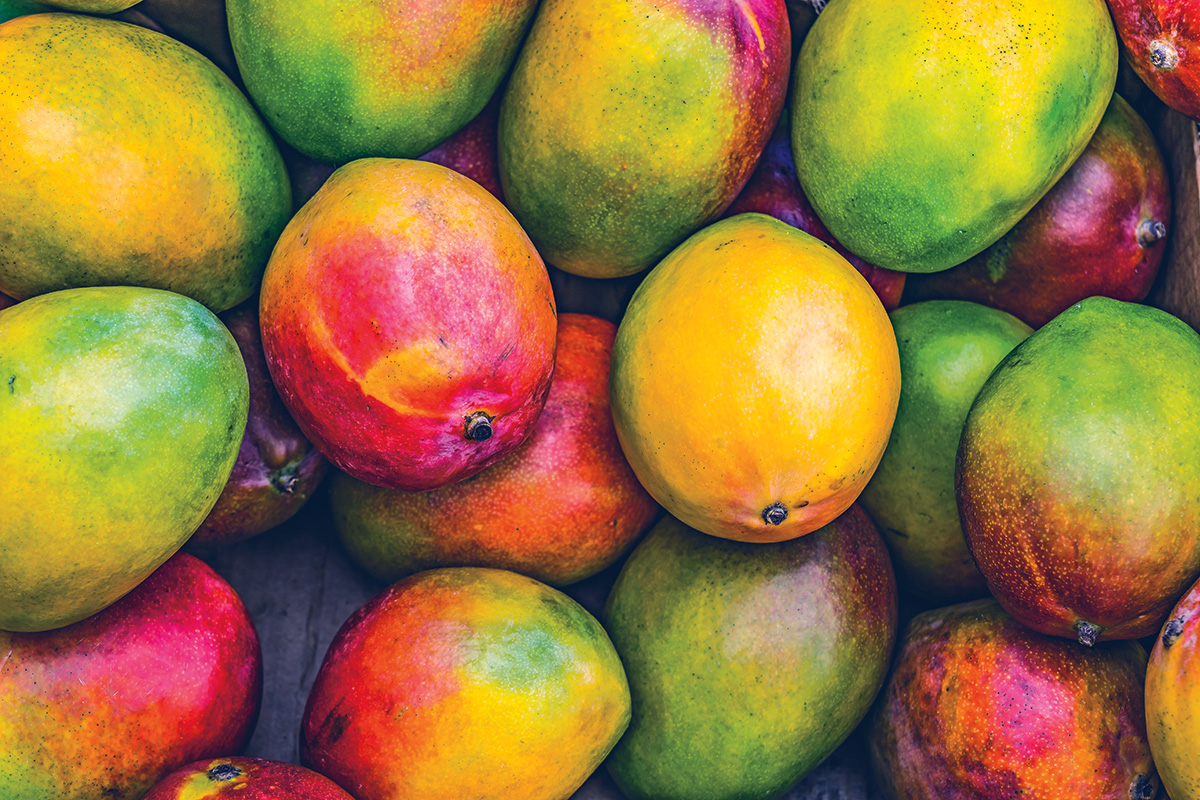
Here are a few things to know about this sweet, succulent fruit:
We're No. 1: Florida produces more mangos than any other state, with cultivation concentrated in South Florida. Roughly 2,000 acres in Florida are planted with mango trees.
Pirates! Mangos were brought to Florida by pirates over 200 years ago, according to historians. (Mangos originated in South Asia, where they've been cultivated for thousands of years.) The first commercial orchard here was planted in the 1830s.
Varieties: Many major commercial mango varieties worldwide — including the Tommy Atkins, the Keitt and the Kent — were developed in Florida. They're named after the growers who first cultivated them.
Timeline: While Florida's mango season technically ranges from May to October, the peak harvest time for most varieties is June and July.
Imported: Despite Florida's bounty, most of the mangos in American supermarkets are imported from South America and the Caribbean.
Nutritious: A three-fourths cup serving of mango provides 50% of the daily recommended amount of vitamin C.
Nicknames: Mangos are most commonly nicknamed the "King of Fruits" due to their popularity but are sometimes referred to as the "Fruit of the Gods" or "Apple of the Tropics."
An Art: "Growing the perfect mango is an art that requires the right combination of sun, soil and a little bit of TLC," says the website of the Fairchild Tropical Botanical Garden, an 83-acre garden in Coral Gables. "Mango trees in Florida flourish under full sun, moderate rainfall and well-drained sandy loam soil."
Sources: Florida Mango Association, National Mango Board