

My childhood was incredible in Havana. We were well-positioned financially. It was a wonderful life in Havana until we left when I was 11.
The Castro regime was coming on top of all of us. Things were getting real bad in Cuba. So we left for the United States for what we thought was going to be six weeks. I was told we were going to Miami for vacation. We came here in 1961 and lived in Miami Beach. My father, from August that year, worked for the counter-revolution to try to defeat Fidel Castro. In December, he realized that it wasn't going to be six weeks. In fact, it's been 66 years.
My father and my uncle started to work in the insurance business. Eventually, they formed their own insurance agency. I worked for 17 years in insurance. We were one of the first Hispanic agencies in the United States to represent major companies like Travelers and Aetna.
I slowly evolved out of the insurance business to the public relations business. I was involved in the Calle Ocho Festival and had an opportunity to work on the Miami Grand Prix. It's much more fun in the PR business than insurance. What they say in insurance is that you contact your clients two times — when you're asking for the premium or when they have a claim. Both of them were like negative experiences.
I've represented Ford, American Airlines, Bacardi, Merrill Lynch and Univision. I had the local PR account for McDonald's for 30 years. When I got the account, a vice president had me come to their offices and told me, 'You are going to be on the board of the Ronald McDonald House.' And 35 years later, I am still on the board, and we are building a new house that's going to be larger, and every room is going to have a private bathroom. It's a $33-million project. We have $28 million in the bank. Ken Griffin gave us $3 million. Jackson Hospital gave us a great location. We're about to top off the building and be ready to open at the end of next year. We have a waiting list because Jackson is one of the top hospitals for transplants for kids.
I was the founding president of the Kiwanis Club of Little Havana. We got approached by the Miami Herald to try to do a project that would bring the community closer together. So we asked ourselves, what kind of event do we do? A bicycle race? A concert? One of our members said, you know, they have ethnic festivals in Philadelphia where the Polish, the Italians, the Germans have block parties where they have their food, their music, their art. And that's how we started doing Calle Ocho, our block party.
A couple days before the first one, we asked each other, 'What do you think, how many people will show up on Sunday for Calle Ocho?' The most optimistic number was 10,000. The headline in the Miami Herald on Monday said, '100,000 people attend Calle Ocho.' It was a hit. We've had it every year since 1978.
I got involved with Florida State when they were founding the booster club in 1977. Bobby Bowden became a real good friend. At one time, I was on the board of the alumni, the foundation and the boosters at the same time. I was much younger and I could run from meeting to meeting. Eventually, Gov. Jeb Bush named me to the Board of Trustees, where I served for 10 years, the last two as vice chair. The greatest honor and privilege of being on the board of FSU was giving the diploma to my son Les and then to my daughter Alex when they graduated from Florida State. As they say, that was priceless.
In 1978, I ran for the Legislature. At that time, there were zero Hispanics in Tallahassee. Martha worked for my campaign. I lost the race, but I won big when we got married. We've been married for 43 years, so it was a big win!
The Orange Bowl just celebrated its 90th year. It's one of the oldest institutions in Miami, and still an excellent networking organization. My father was one of the first Cubans to get involved in the community here — named to the Greater Miami Chamber of Commerce board and elected to the Orange Bowl Committee. In the years prior to that, the Orange Bowl Committee were all Anglo males. He opened the door for me and many other people. I became a member in 1986. In the late '90s, I got elected president. And now my son is on the board of the Orange Bowl.
"I graduated from Christopher Columbus High School in Miami, which is the most famous high school in the United States of America nowadays after one of our alums won the Heisman Trophy — Fernando Mendoza, who happens to be a relative of mine. All Cubans are related, OK?"
The University of Florida was playing in the Orange Bowl. I was being a good host. We had a welcoming party, and Coach Steve Spurrier and I were having a great conversation. And one of the top Gator alums down here in Miami entered the conversation and said, 'Hey Coach, you know Leslie is the top Seminole down here in Miami.' And Spurrier stopped the conversation and left. OK! We had another conversation a few years later, and he was laughing about it, and he kind of apologized, so it wasn't a big deal.
The Cuban rafters (from the Mariel boatlift in 1980) had a major impact here in Miami. Several Cuban organizations like the Kiwanis Club of Little Havana had programs to help rafters settle in Miami. We had seminars for the new arrivals to help them learn English and how the laws in the United States work. It was a good way to help people blend in. 'Go to school, get a job. Get two jobs if you need to.'
I was shocked. We gave some kids some chewing gum, and they had no idea what it was. I remember vividly, I gave a 6-year-old girl an apple, and she had no idea what to do with the apple. 'Do I cook this?'
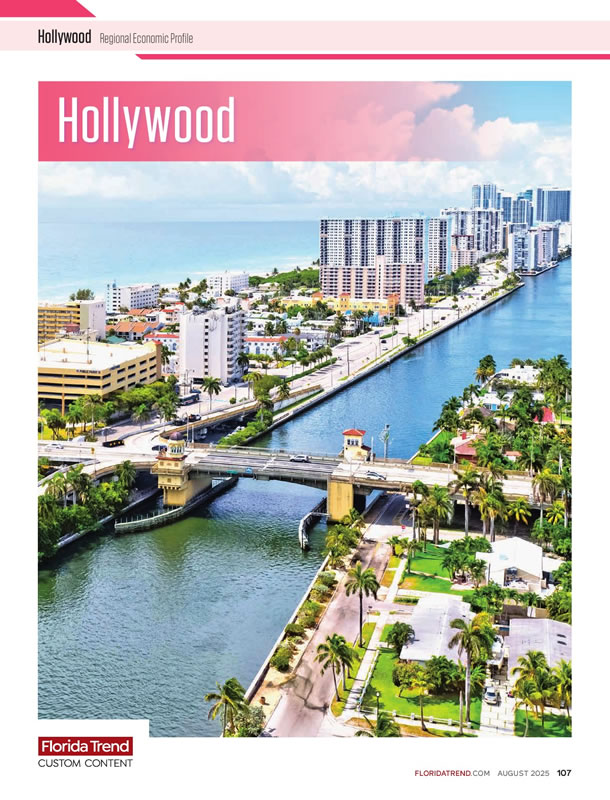
The American dream is well and doing fantastic in Miami, Florida. Anybody that comes here sees it in the skyline of Miami. That theory that the American dream is dead — that hasn't come to Miami.