










Growing up on his family's farm in Alberta, Canada, Mel Torrie says he missed dozens of school days sitting in a tractor cab "driving in a circle 16 hours a day."
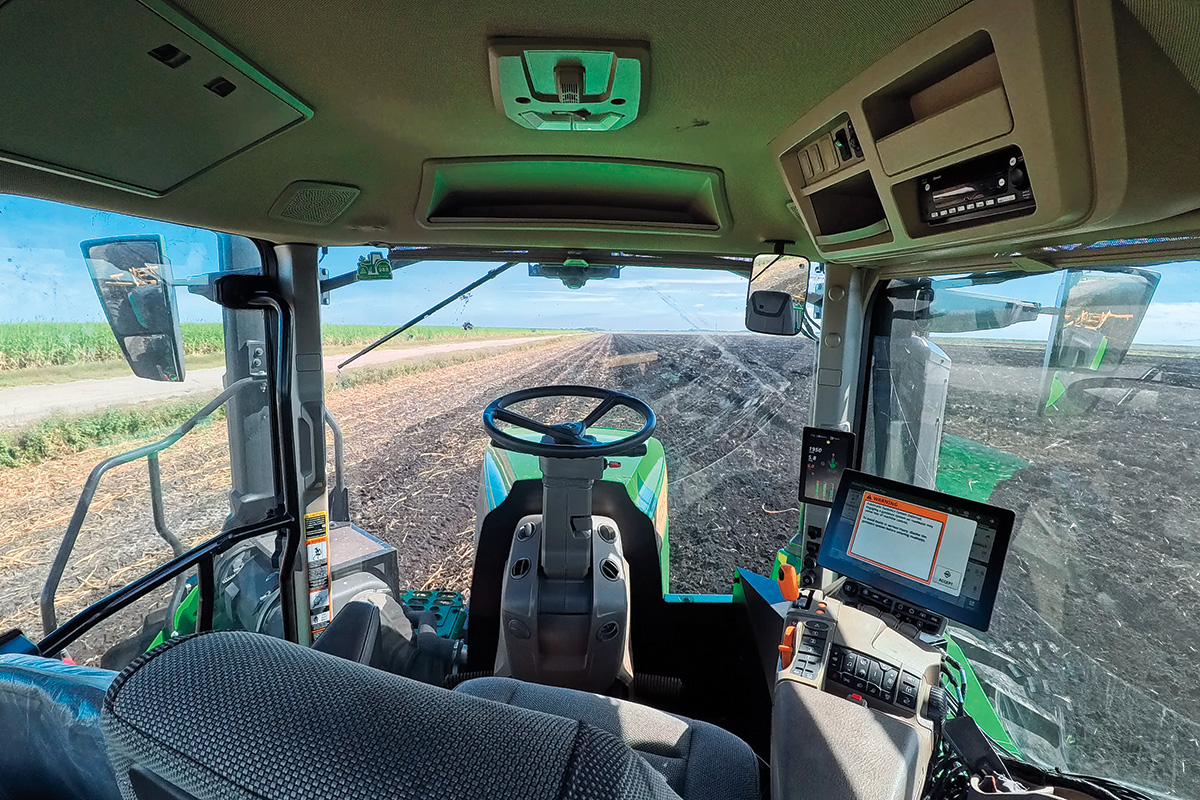
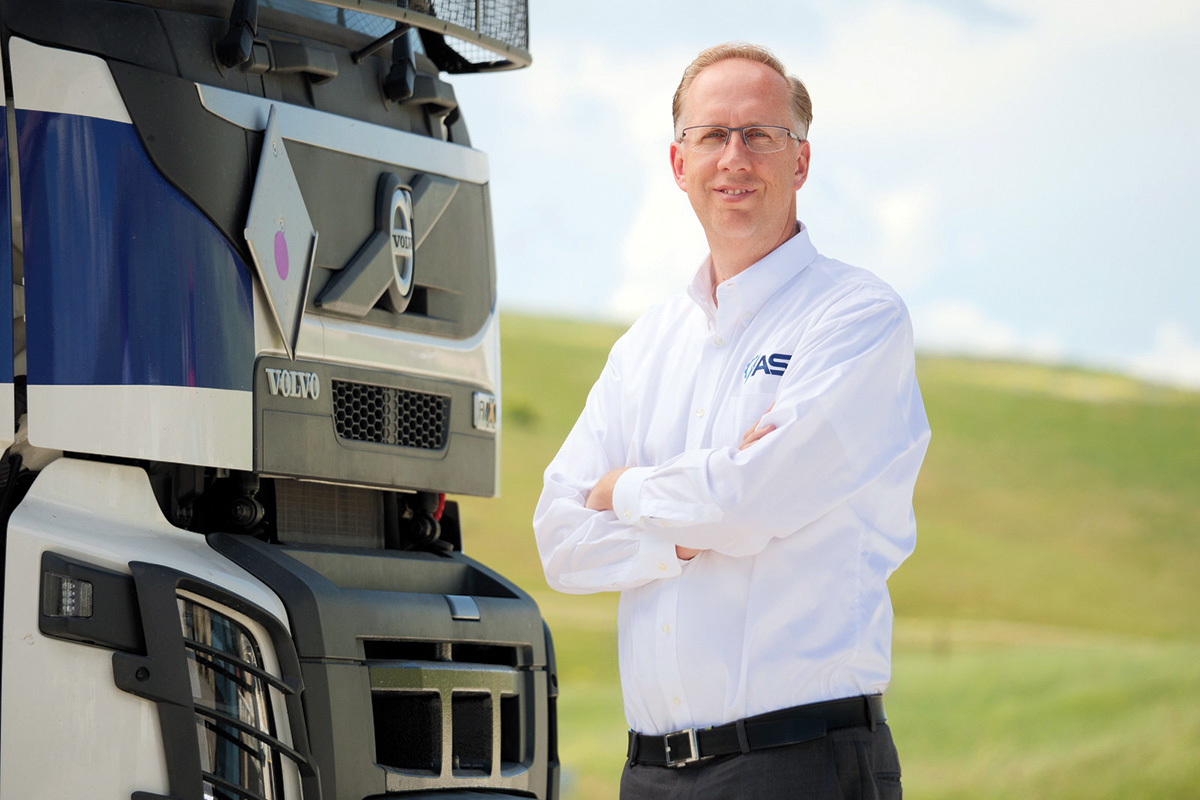
When he became an electrical engineer and founded Autonomous Solutions Inc. (ASI) to build robotic machinery, one goal was to create self-driving tractor systems to "get people out of those cabs doing mind-numbing kinds of labor."
Partnering with equipment manufacturers, Torrie's Utah-based ASI did just that. But "the liability attorneys came in and shut it down," he says, out of concern that a farmer might switch off a safety system and get injured or killed. A prototype he made with John Deere never made it to market and now sits in a museum.
As a result, ASI paused its agriculture business in 2018, focusing instead on robotic golf course mowing and mining operations. Then the company received an unsolicited call from Everglades Equipment Group, a John Deere dealer with 19 locations across Florida. Could existing tractors be retrofitted to become self-driving? They were asking for a friend.
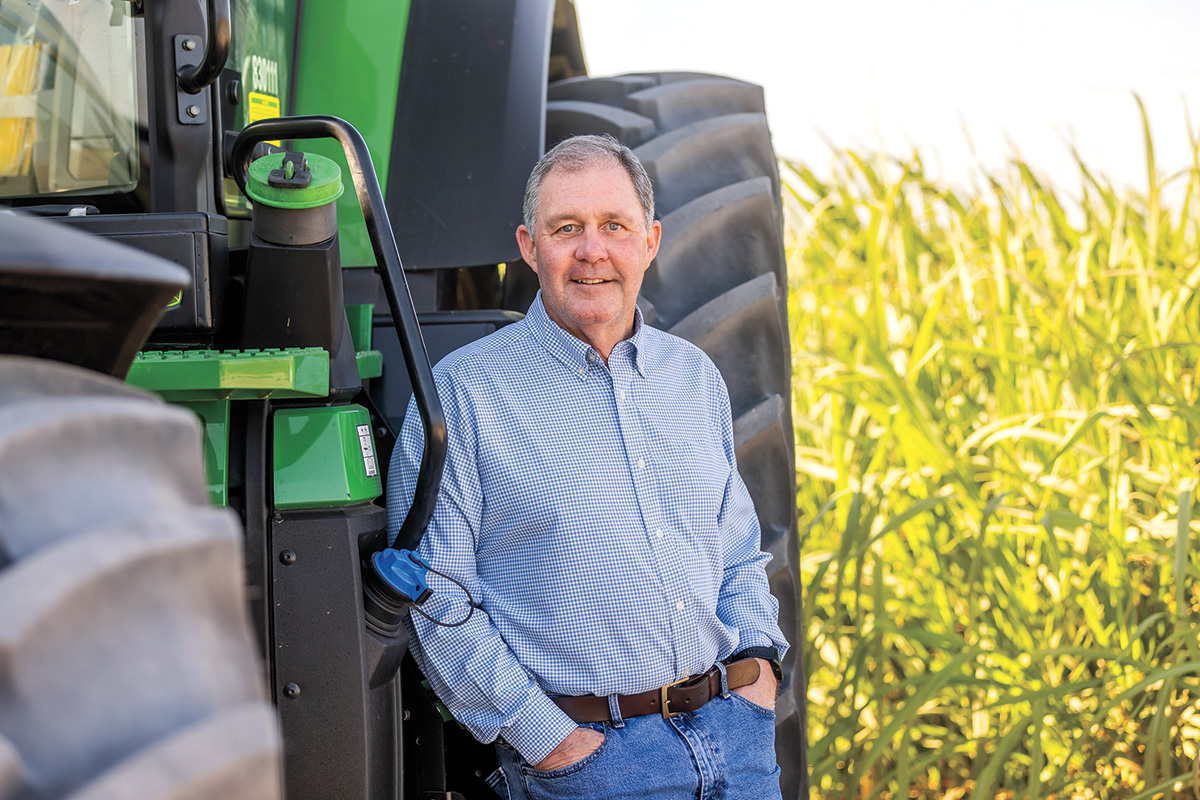
That friend was Clewiston-based U.S. Sugar. While robotic tractors had been on the company's agenda for years, no one was putting any on the market. U.S. Sugar CEO Ken McDuffie, a Clewiston native who started with the company as a farm assistant in 1992, sees them as part of a continuum of innovation in the business to drive improvement and keep costs down.
Over the years, the ag giant's improvements have included consolidating two factories into one highly automated factory and upgrading its rail assets and equipment. Looking to automate tractors, Everglades Equipment conducted dozens of searches before landing on ASI, which wasn't marketing its equipment for agriculture — but Everglades Equipment President Mike Schlechter says the tractor dealer is equipped for "filling niches" that customers such as U.S. Sugar need.
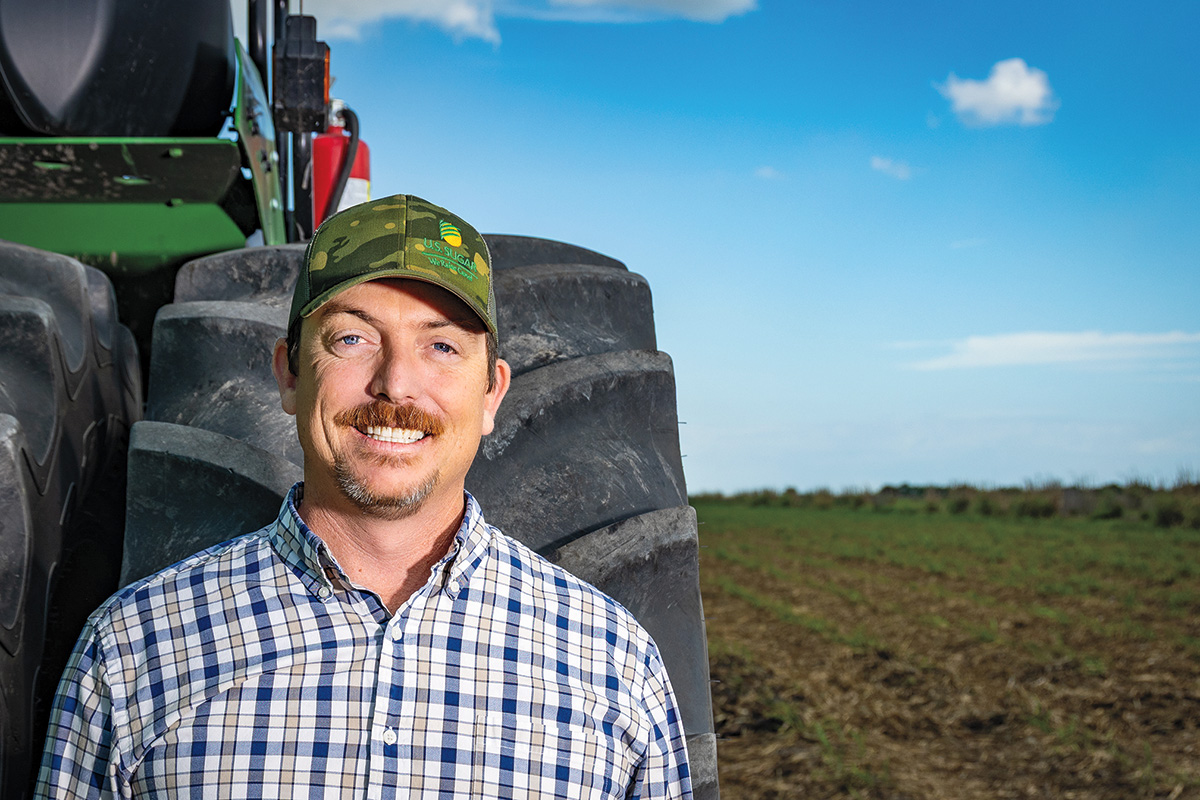
The upgrades won't lead to staff reductions, McDuffie says. In fact, labor shortages made soil preparation and tractor operation prime candidates for automation. "We have a hard time finding people who want seasonal jobs driving a tractor," says U.S. Sugar financial analyst Lyndsay Sergent. "This is definitely a spot that just seemed like an opportunity trying to get ahead of that curve of we just can't hire people to do it.
"It's not the most glamorous job."
IDEAL TEST GROUND
ASI is the fourth U.S. company to pitch automation to U.S. Sugar, dating back to 2021, but the first to deliver on its promises, says U.S. Sugar Precision Agriculture Manager Scott Berden. The others were startups. Two were sold while a third shifted its focus to smaller equipment. As a result, Berden says, the U.S. Sugar team was "already a little jaded" when it met with ASI in Clewiston in November 2023 and was promised it could deliver kits to make the John Deeres autonomous within four months. U.S. Sugar sent a John Deere 8R series tractor to Utah in February 2024 to be outfitted with a kit. It came back ready to work that June, which "was eye-opening to us," says assistant farm manager Jarad Plair.
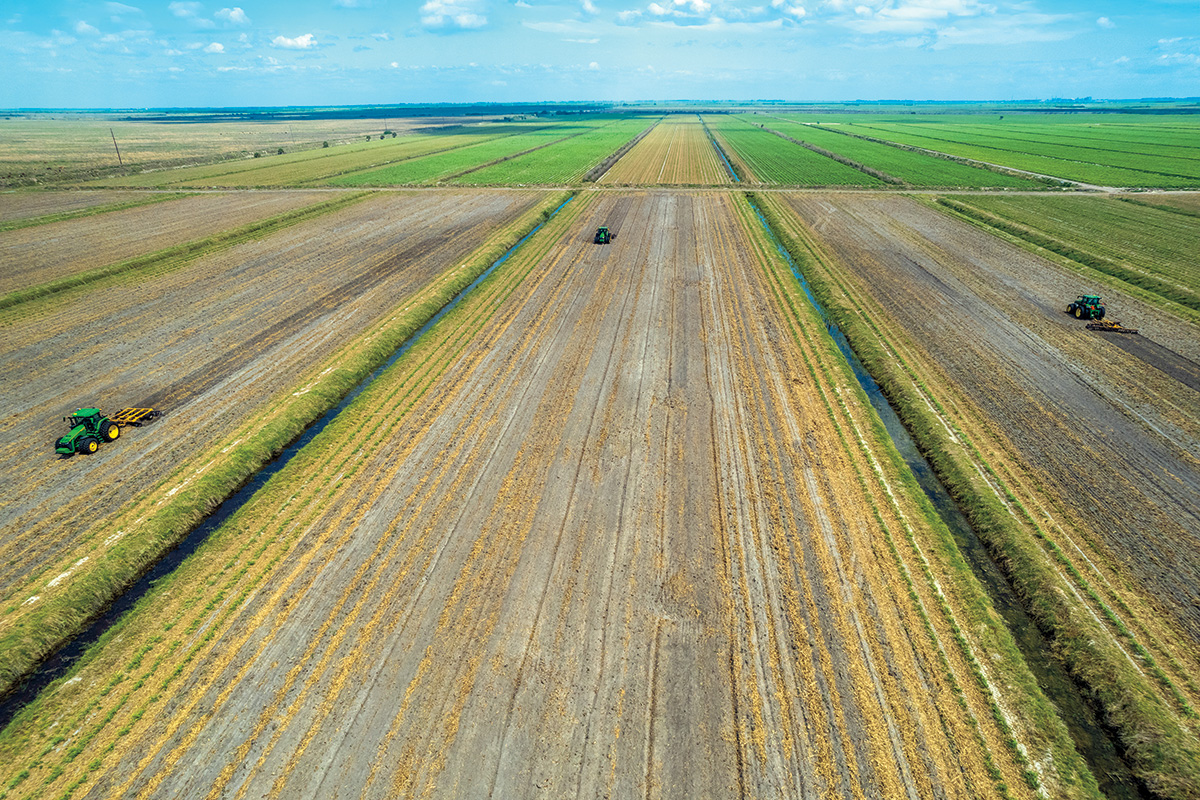
U.S. Sugar's 250,000-acre holdings in and around its Clewiston headquarters on the south side of Lake Okeechobee provided an ideal testing ground.
"What I told my people is I don't want to talk to anyone who has fewer than 100 tractors because the maturity of the end user is the key to your success," ASI's Torrie says. U.S. Sugar would "follow process so they're not going to hurt themselves." And the sugar producer's sophisticated data analytics offered key and sometimes unexpected insights about the system's performance and benefits. Cane fields can be rocky, flood-prone and are bordered by ditches and canals, all things the driverless tractor needs to be programmed to avoid, Plair says.
"We're surrounded by waterways, and by no means do I want these tractors going into a ditch," Plair says. "But we're not going to have one of these tractors run into a school. We're not going to have one of these tractors really go rogue and make it more than 100 yards in one direction or the other without being stopped by a physical barrier." That's the kind of environment that puts those liability attorneys at ease.
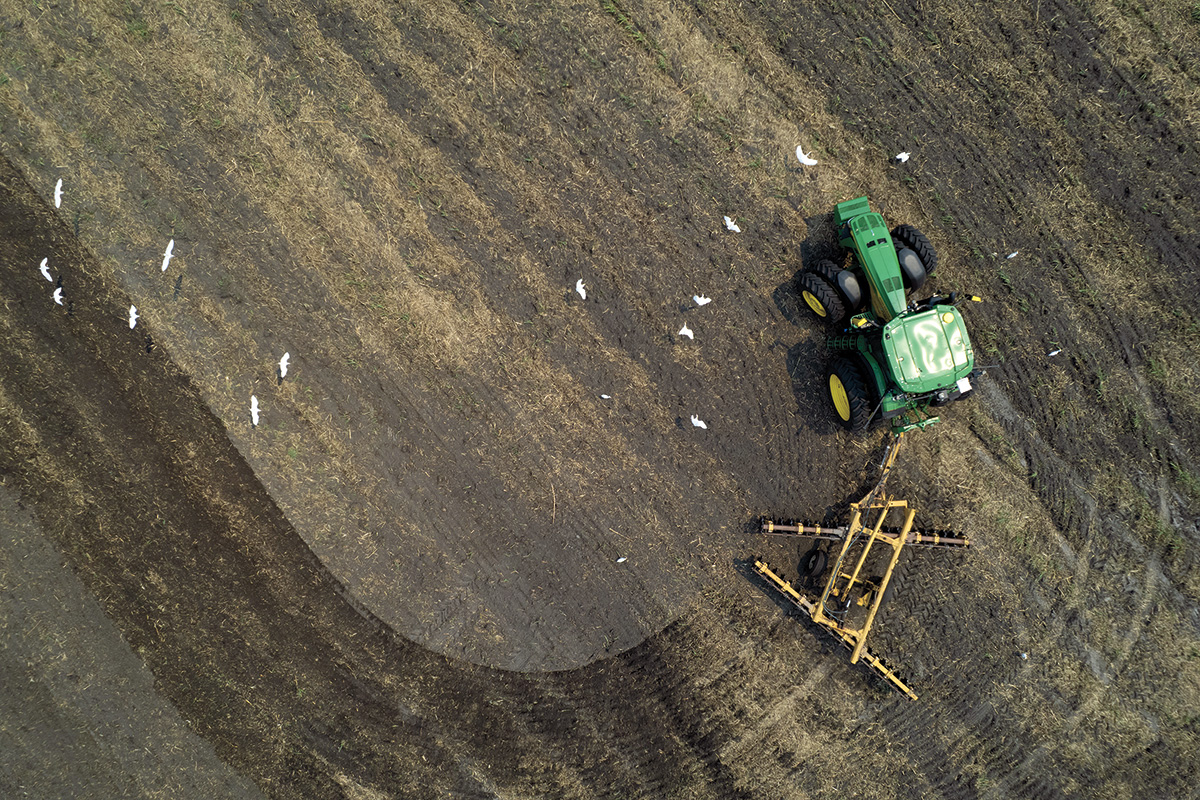
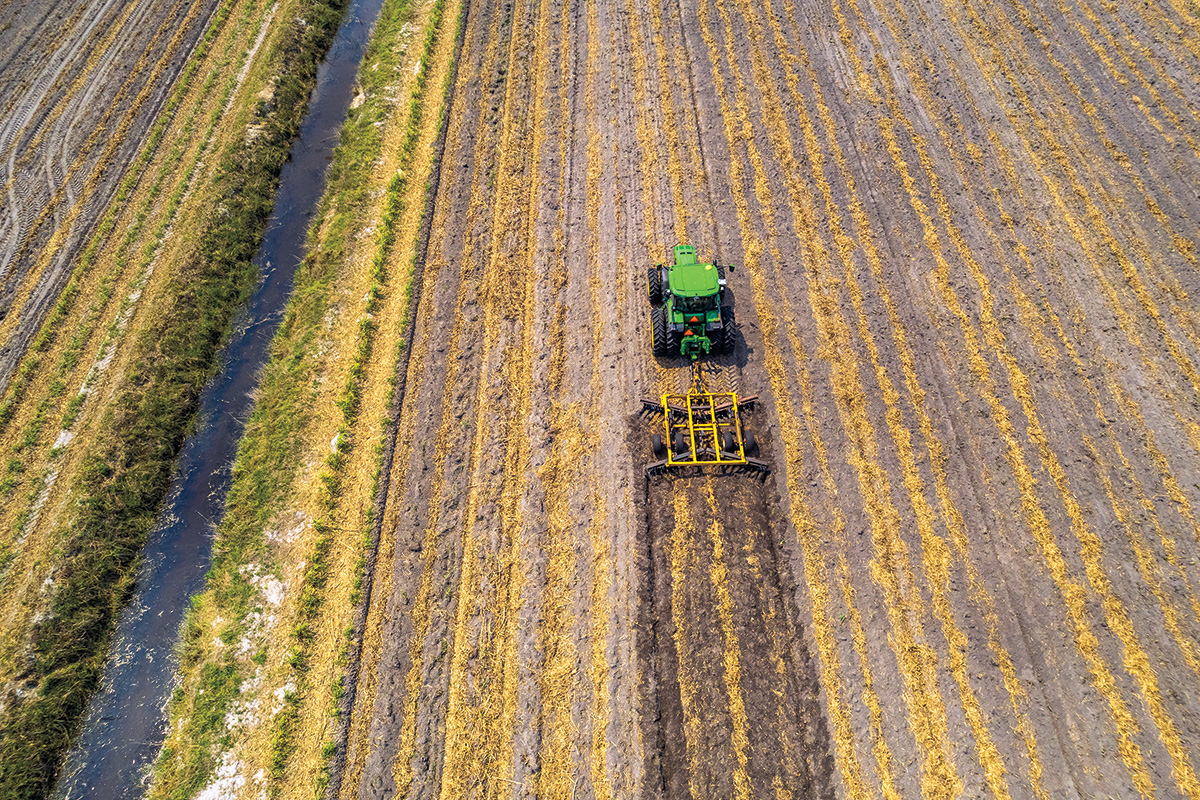
For a test run last fall, Everglades Equipment installed ASI software kits inside the cabs of three of U.S. Sugar's John Deere 8R tractors and one 9R. With a disc cultivator trailing, the driverless tractors broke up roots, weeds and soil on about 16,000 acres of cane fields to prepare for the fall planting season.
"Discing is a good place to start," Berden says. "You're not destroying a crop. It's less risky."
HOW IT WORKS
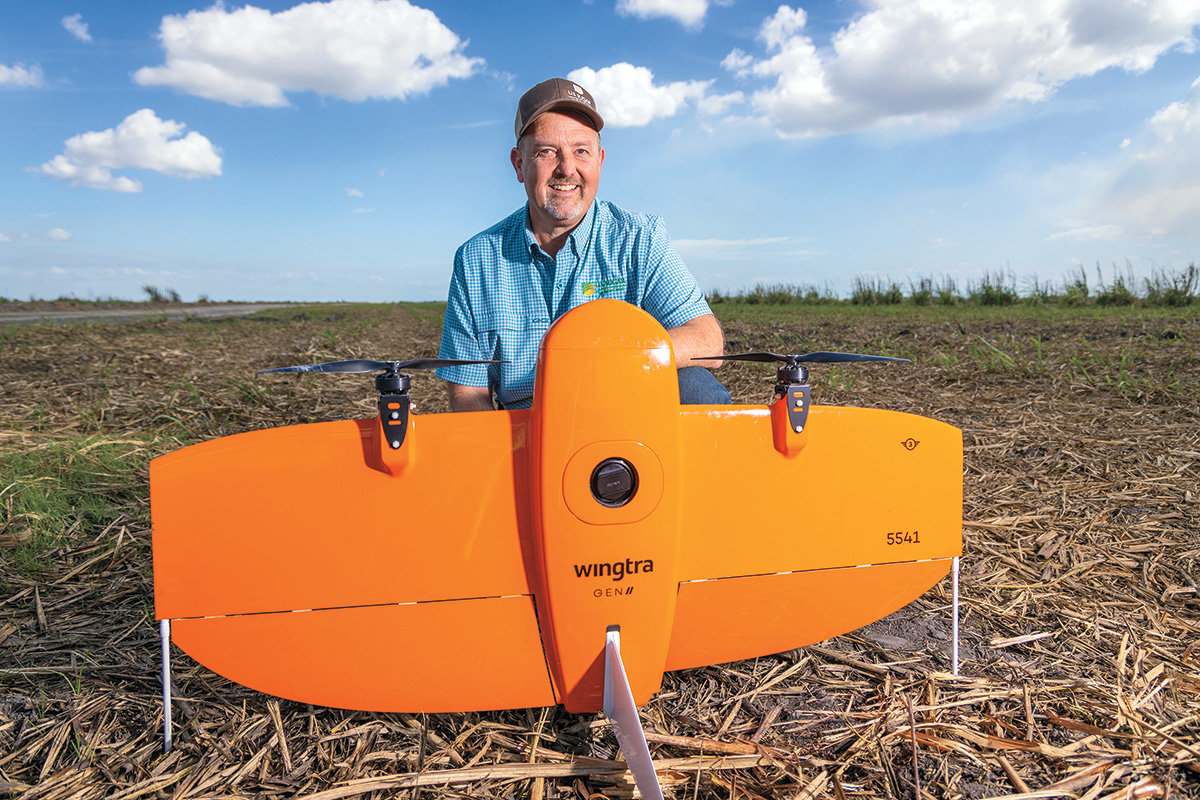
Like driverless vehicles, ASI uses a package of light detection and ranging (lidar) sensors and cameras mounted onto the tractor to watch out for living beings and natural obstacles. The ASI automation kits fit neatly into the right side of the tractor cabs of the John Deere 8Rs that U.S. Sugar uses. Signals are sent between the tractor and a base station via satellite with cellular service as a backup. If communications break down, they can still put a driver behind the wheel simply by flipping a red toggle switch. Cane fields are mapped out with drone help — software stitches together countless images taken from about 400 feet up into one precise grid showing where adjacent roads and ditches border the field along with other hazards for the tractor to avoid.
Meanwhile, ASI's Mobius autonomous fleet management platform collects data about the tractor — exactly how long it is running, exactly how long the discs are in the ground. That information helps map out a maintenance schedule and has already generated surprising insights about the investment's value.
"I'm the guinea pig," says James McWhorter, who manages one of seven large farms owned by U.S. Sugar. He has 45 employees to cover 38,000 acres. He was dubious when told his farm would be the testing ground, concerned about what would happen if the process left the property ill-prepared to plant the crop.
"If I don't supply sugarcane to the mill, I haven't done my job," he says. "And it doesn't matter how I do it. If I'm still using a horse-drawn plow and I can still do the same amount of tons to the mill, that's great."
The automated system "naturally fit in," McWhorter says. In fact, the maintenance budget on his farm went down significantly, especially the costs of keeping the discs in working condition.
The Mobius system instructs the tractors to lift the discs off the ground when turning, something human drivers often don't think about. It avoids running over rocks outside the plant row and other debris that might cause damage. "They're being operated exactly how they want them to be," McWhorter says. "There's nobody running too fast. There's nobody turning with them in the ground and running over rocks."
'THEY DON'T GET TIRED'
U.S. Sugar expected maintenance costs to increase because a driverless tractor operates more hours in a day and the wear-and-tear would increase, says data analyst Andrew Berg. But the consistency that automation brings adds up to savings. "It's going to do the same job day in, day out, no matter what the circumstance is," Berg says. "They don't get tired. It doesn't have a bad day."
McWhorter's farm was selected in part because of its sometimes-challenging topography.
"We didn't put them in the most pristine field and set them up for success," Berden says. "Both us and ASI wanted some challenges ... like wet conditions, very dry conditions, dusty conditions, rocky. We have a lot of rocks in the field, which is very hard on the equipment."
In addition, the precise orders programmed into the system helped identify more efficient movement. "We've disced at an angle for 100 years," Berden says. "I don't think anybody's ever done a time and motion study that if it's 3 degrees less you can actually gain another hour every day. As silly as that sounds, you do that over 200,000 acres, that's a lot."
Autonomous driving cuts about the same number of acres per hour as a human. The difference is the longer, nonstop operating hours the autonomous tractor can run each day, Berg says. The disc is working the soil 90% of the time the tractor is on, whereas human drivers are closer to 65%.
A driver covered about 45 acres per day during the test period. One operator monitoring four robotic tractors worked an average of 238 acres per day.
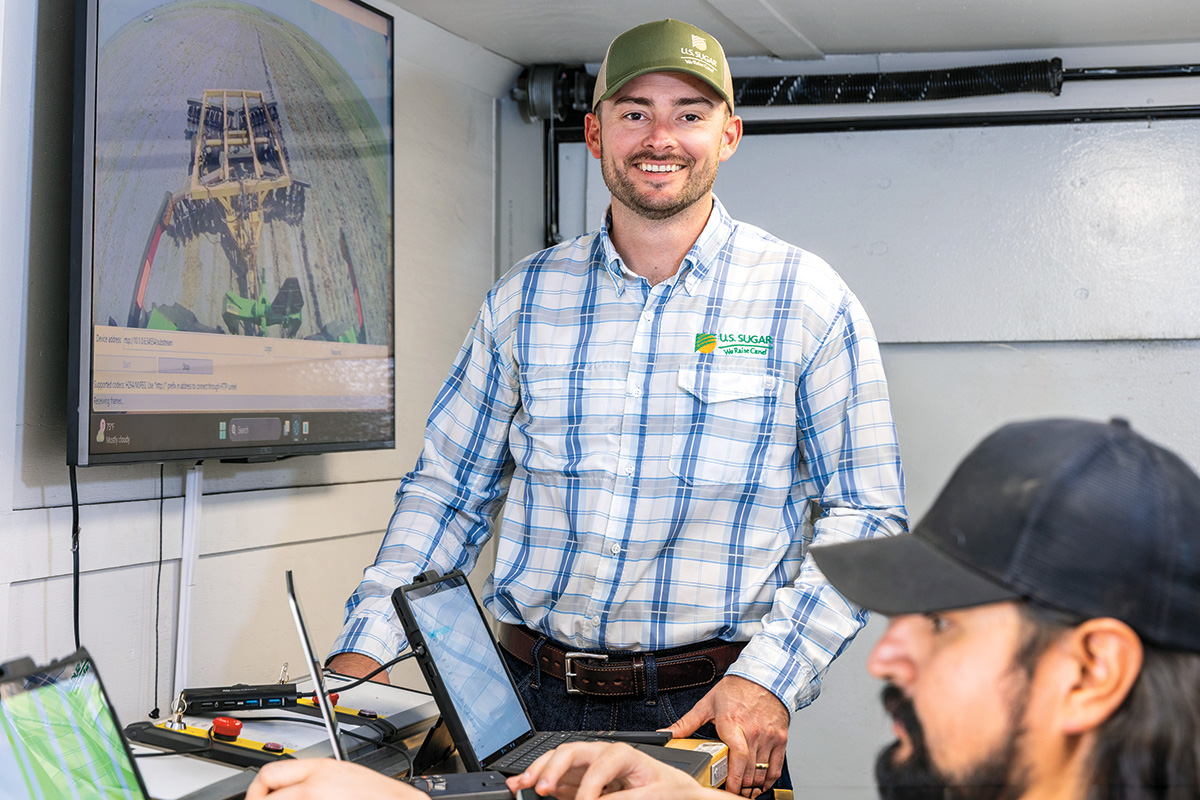
All the data points matter, ASI's Torrie says. And they validate his insistence on partnering with a significant farm operator. "They are deriving and discovering the business case because of that maturity in data analytics that a lot of the smaller farms wouldn't have." Herman Avalos drove those tractors eight to 10 hours per day for three years. He now sits inside a generator-powered air-conditioned trailer monitoring the tractors on a laptop.
It's a much less taxing workday, Avalos says. Tractor cabs have air-conditioning, but he still worked up a sweat keeping his head on a swivel as he steered. "Working in the tractor, it can be a little difficult because of all the bouncing around," he says. "You've got to make sure you're cutting the right way, make sure you're not picking up trash." That's farm speak for a clump of weeds or rocks that can clog up discs.
When it happens with the robotic driver, Avalos and other operators send a signal to stop the tractor, then head out to the field to clear the blockage.
WHAT'S NEXT
Confident that the robotic system works, U.S. Sugar officials say they'll roll it out on their other cane farms. After that, "The next step is to move into cultivation," McDuffie says. "That's in the works now." It's part of a broader strategy "to automate more of our field operations where in some cases we can't find labor," he says.
While some crops, including blueberries, have robotic harvesting equipment, the technology is unlikely to come to sugar anytime soon. There are just not enough harvesters in operation to make it worthwhile, Torrie says. Still, ASI's payoff for returning to agriculture is significant. In addition to making more kits to satisfy U.S. Sugar's expanding use, the company recently signed a deal to provide the Mobius system to some of Brazil's largest sugarcane farmers. The deal came after the group came to Clewiston to see the robotic system in action.
For U.S. Sugar, the experience reinforces a belief that technology is a vital investment. "A lot of people still think we're in bib overalls and pitchforks," Berden says. "Farming is far more high-tech than I think people understand. And it's going to continue to get that way for us to continue to be viable and stay in business."
Robot Workforce: Robots are rolling into unexpected places, transporting patients through hospitals and cleaning cruise port terminals. Read more online about how automation is changing the way Floridians work at floridatrend.com/robotworkers.