





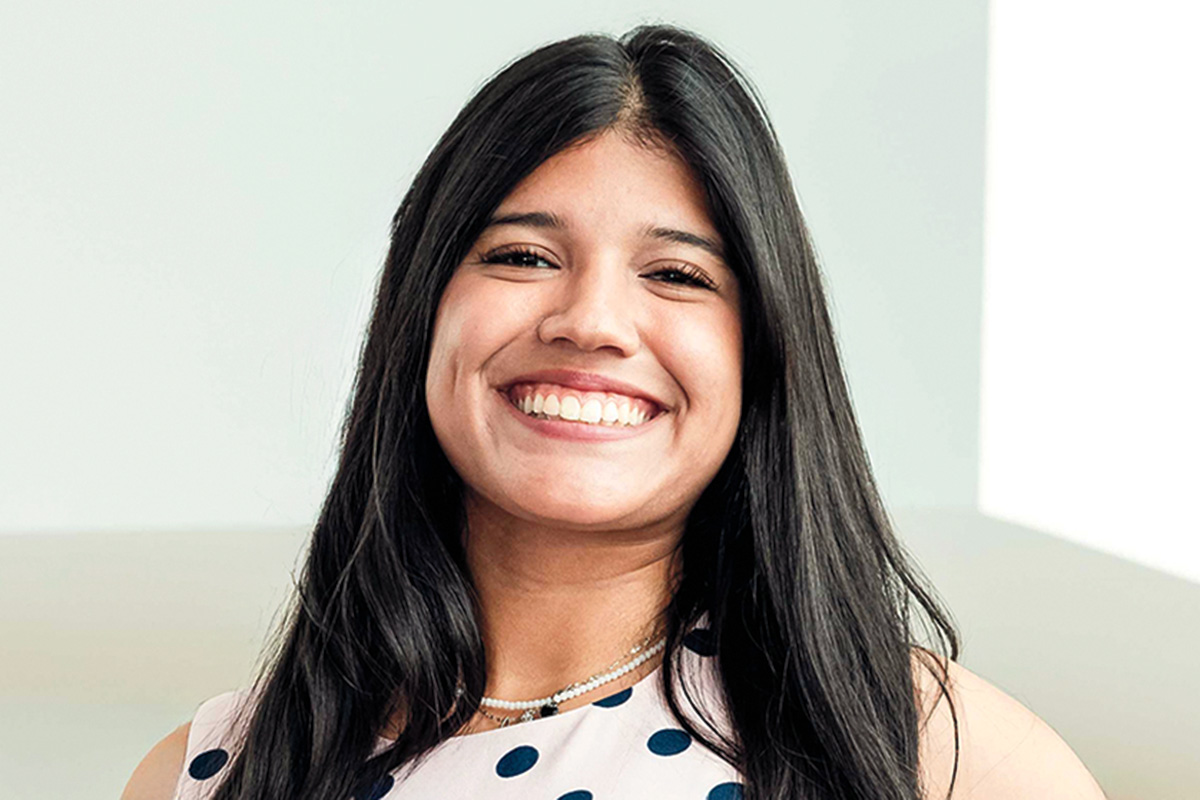
Ashley Prado is off to Seattle this month for a summer internship at Microsoft headquarters, fresh off earning her computer science degree from Florida International University. The 21-year-old spoke little English when she came to the United States from Venezuela during the height of the COVID-19 pandemic.
When her second Microsoft internship in as many years ends, she'll return to FIU and enter a master's program in data science and artificial intelligence. The first in her family to go to college, Prado might be forgiven for needing some help understanding what she might need to be ready for the job market.
FIU's career readiness program helped change that, emphasizing an "elevator pitch" to explain her professional ambitions and abilities succinctly and memorably. The trick, she says, is to tell your story without sounding rehearsed or robotic. "That's not something they teach you in the classroom."
FIU also uses an AI-powered program to help students build an eyecatching resume, says Ruth Pacheco, executive director of Integrated Industry Partnerships and Career Readiness.
A resume is like real estate, says David Telleria, a Career and Talent Development associate director in the College of Engineering and Computing. "You have a half-acre. What are you going to put on it? How does it stand out from someone else's lot?"
Pacheco and her colleagues discovered that students weren't tailoring their resumes and other marketing efforts to emphasize relevant competencies or demonstrate an understanding of a company's culture.
"They were actually sending out a lot of resumes," she says, "but it was the same resume, so we've been very focused on, 'That's great that you have a resume, but you cannot send it" in each case.
Emphasizing the elevator pitch gives students a chance to show they've at least read the company's mission statement or are up to date on industry trends, Telleria says. "That stands out so much" in a competitive job market.
A summit held each semester brings employers to campus with challenge activities for the students. It's a bit of an audition. The idea is to let students demonstrate "a real-life critical thinking process, problem-solving skillset," he says.
These are things you don't learn in programming classes, Prado says. She encourages classmates to participate in the summits and other programs. They don't cost anything, she says, and "you don't know the number of doors that can open for you."