



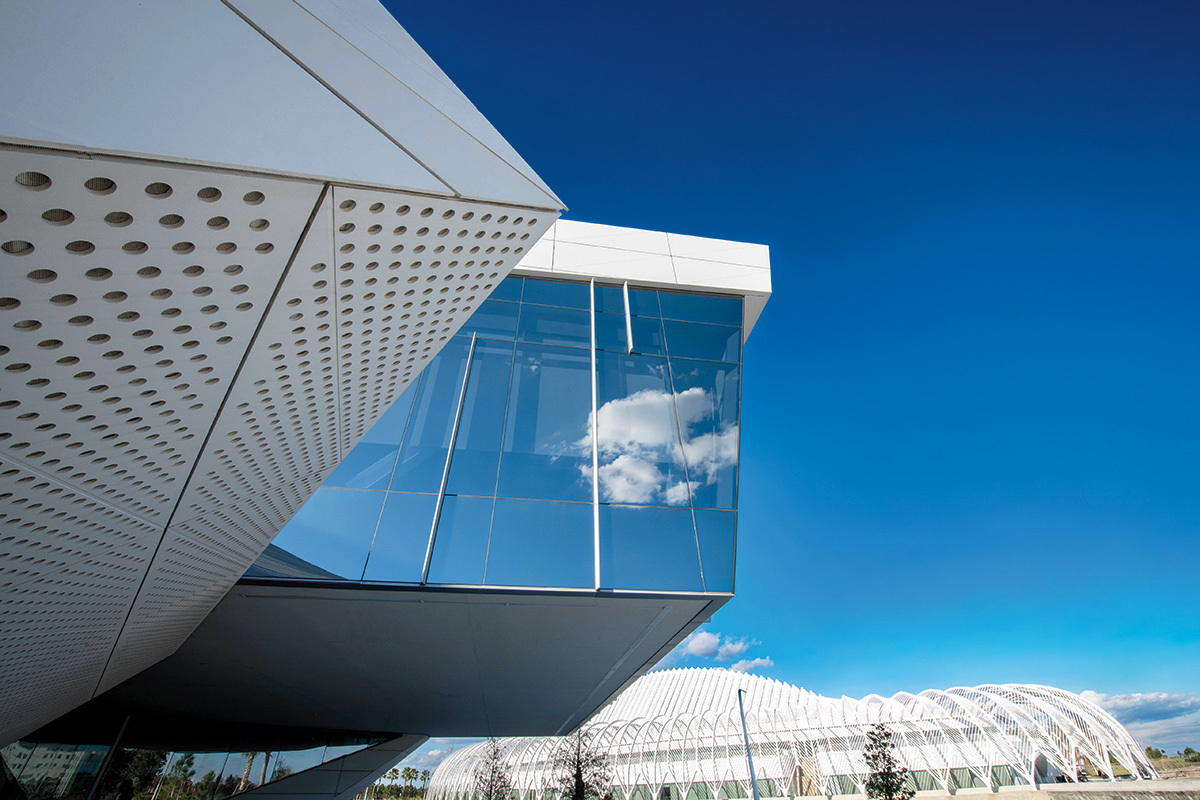
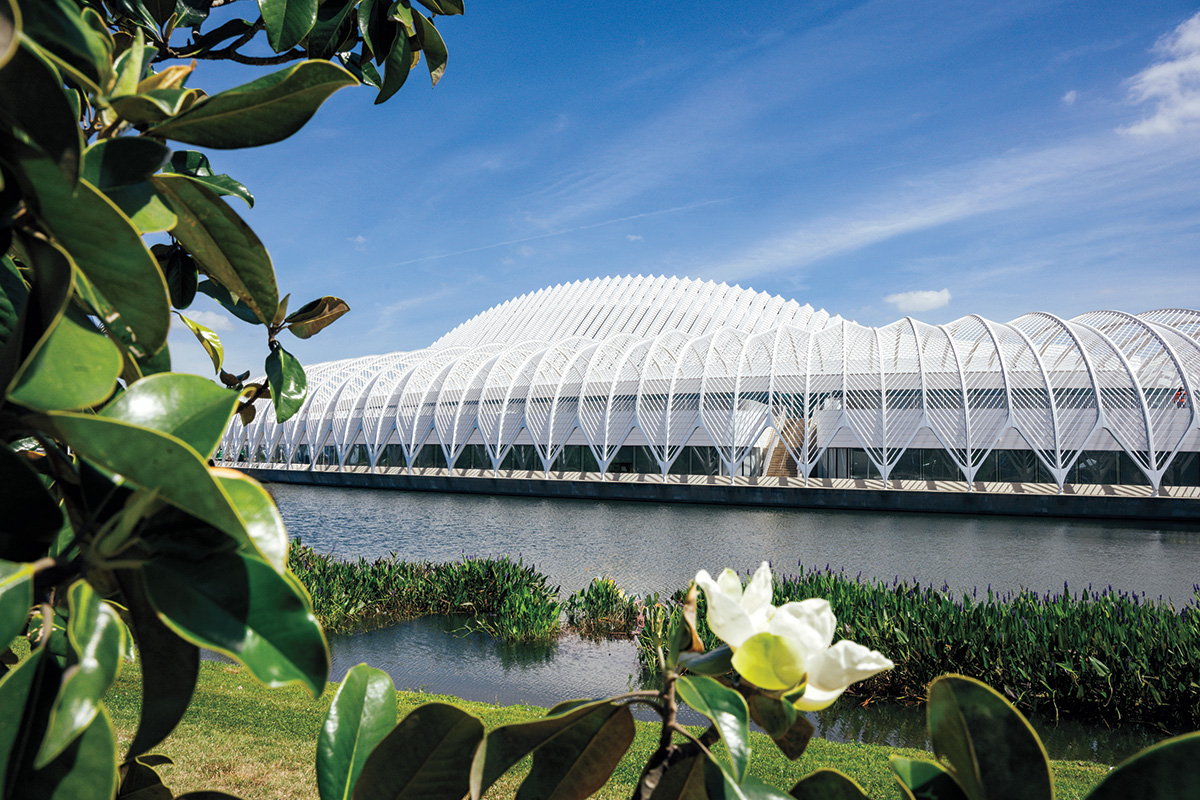
Florida Polytechnic University just might have the most appropriate mascot in the State University System of Florida: the phoenix.
In 2020, the school survived an attempt to be consolidated under the University of Florida in a bill that passed the state House education and appropriations committees.
Polytechnic Timeline
1988: The University of South Florida opens a Lakeland campus.
2008: The Florida Legislature agrees to rename it USF Polytechnic, focusing on science and technology.
2011: A group of Polk County activists, concerned that USF wasn't giving the campus sufficient support, urge the state Board of Governors to grant the school autonomy.
2012: Lawmakers, pushed by Senate Budget Committee Chairman J.D. Alexander of Polk County, agree to create a 12th state university, Florida Polytechnic.
2014: Florida Poly holds its first classes.
2017: Accredited by the Southern Association of Colleges and Schools Commission on Colleges (SACSCOC)
June 2024: Florida Poly trustees vote 7-6 to hire Devin Stephenson, then-president of Northwest Florida State College, as the university's second president.
A Lingering Sting
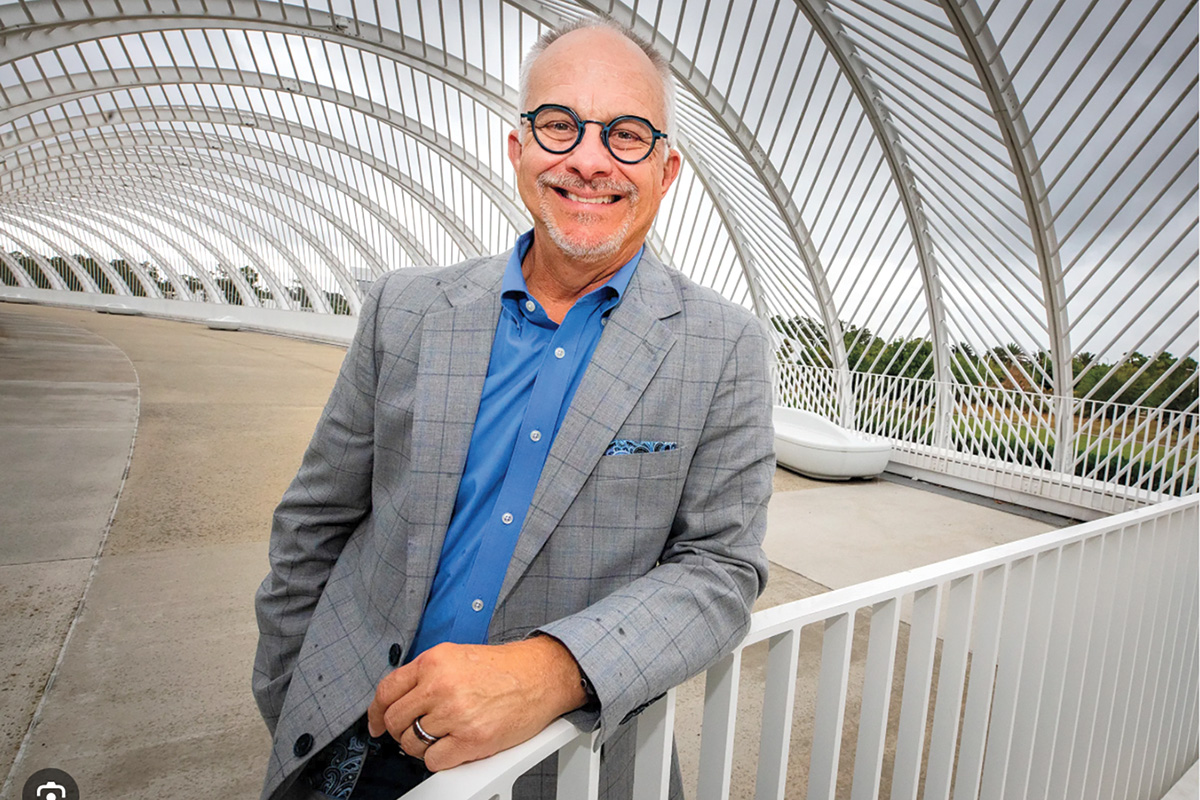
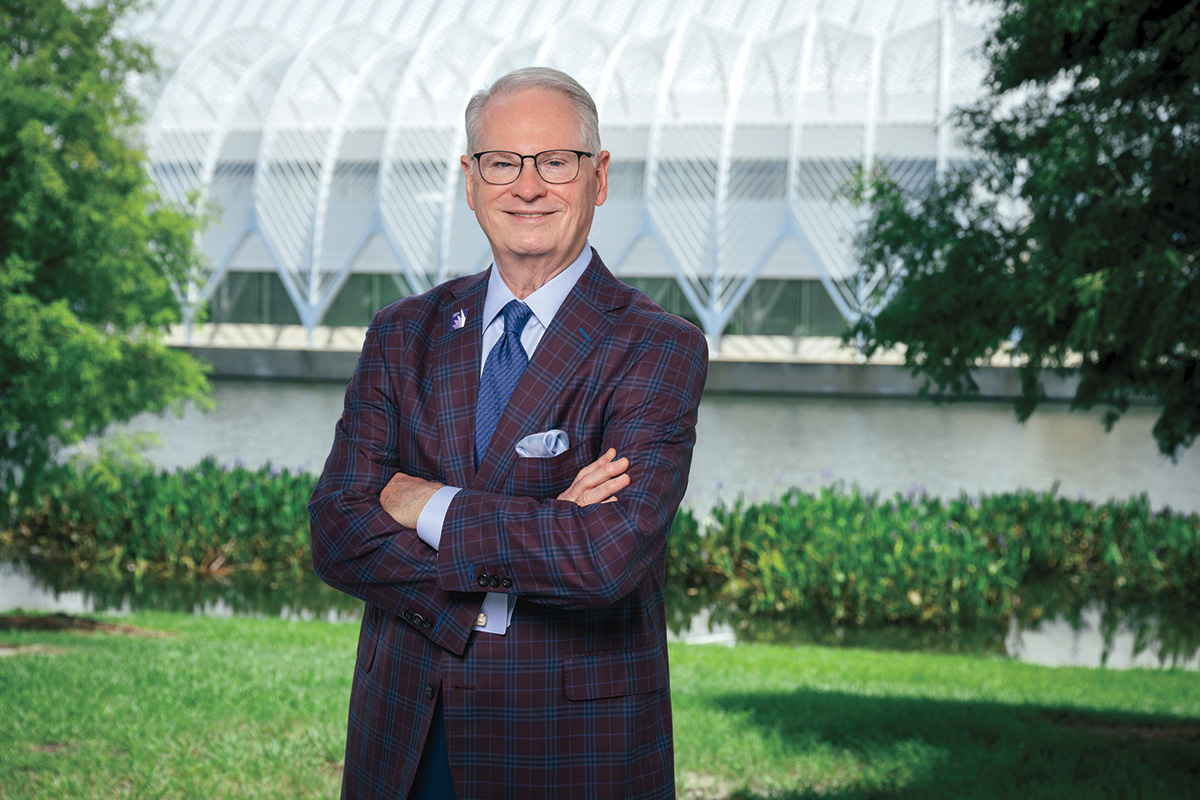
Florida Polytechnic University President Devin Stephenson says he's no egotist, "but I am confident." So while he sometimes makes light of the criticism he endured during his candidacy to be the school's second president, it's clear he still feels the sting.
"To be frank, I didn't want my wife, I didn't want my kids to hear some of the things those trustees were saying," he says. "I was hoping to God they didn't hear it. They might have gotten really upset about that because they knew their dad, my wife knew her husband," he says, with a pause, adding, "I seem to have the ability to rise to the occasion and prove people wrong.
"I came down here with my face set like a flint toward the prize."
In 2024, over concerns (in the words of one former trustee) it might become a "laughingstock," the STEM-focused institution hired the leader of a Panhandle state college with no science, technology, engineering or mathematics background to be its second president.
There may not be ashes, but school boosters say Florida Poly is rising from the tumult. It's discussing a prospective five-year affiliation agreement with Carnegie Mellon University's National Robotics Engineering Center (NREC), board of trustees' records show, to open an applied robotics center in Lakeland. And it's talking about blowing past its strategic plan's goal of 3,000 undergraduates by 2030. Devin Stephenson, that "laughingstock" new president, says he lets his provost make the academic decisions about STEM education while he focuses on being a "fundraiser and a friend raiser" to ensure Florida Poly's infrastructure keeps pace with the enrollment growth and industry partnerships he sees as his mission.
"I believe great leaders take adventurous steps, and often they step out into nothing until it becomes something," Stephenson says. "So I'm willing to step onto nothing until it becomes something."
"A lot of my peers think this is an education business," says Stephenson. "This is a people business. We're about making a difference in people's life. And when we get all caught up in academia for academia's sake, we lose sight of what we should be."
LEADERSHIP, VISION SHIFTS
Ten years earlier, Florida Poly leaders had set a narrower course.
Great STEM institutions — especially those that focus on undergraduate education — often are relatively small, says Randy Avent, Florida Poly's founding president. When he was hired in 2014, the state Board of Governors wanted a small, select university in Polk County with "a culture similar to MIT. We're not going to be MIT," he says, "but we wanted the same culture and feel."
The institution that would become Florida Poly originated in 1998 as the University of South Florida's Lakeland campus. After becoming independent in 2012, founding administrators looked at engineering schools like the Rose-Hulman Institute of Technology in Terre Haute, Ind. Ranked the country's best undergraduate engineering college for 27 years, it has an enrollment of 2,325 students. Similarly, Olin College in Needham, Mass., which had its first class in 2002, now has about 400 undergraduates.
Avent, a computer scientist, studied data of Florida high school students with SAT scores above 1400 who were interested in engineering. A significant number were leaving the state for college. Once they left, many would not come back. The state has plenty of options if they wanted the big college experience, he says. The data showed "they were looking for a small university that was. all about engineering," and he wanted Florida Poly to fill that niche. He built slowly, securing accreditation in 2017 from the Southern Association of Colleges and Schools Commission on Colleges, followed by the seal of approval from the Accreditation Board for Engineering and Technology. Because he had a young faculty, he brought in Fulbright scholars from other countries to mentor them.
"By the time I left, we were a top 20 undergraduate engineering school. We had the second highest SAT scores in the state," Avent says. "We were putting out some good students."
And to his original point about students leaving the state: More than 90% of Florida Poly students are Florida residents.
After 10 years as president, it was time to step aside, Avent says, noting there's a shelf life in academic leadership. A president at another university once told him it takes about five years to build the necessary relationships to get things done. After a decade, "the problems you are left with are ones you can't solve or they're ones you created, and it's time to leave and let somebody else take over."
The 2024 search for Avent's successor, led by Florida Poly Board of Trustees then-Vice Chair Beth Kigel, exposed a rift among trustees about Florida Poly's strategy and what the university needed in a leader. Several felt the new president had to have a science or engineering pedigree like Avent had to effectively lead a STEM institution. Four of the five finalists did.
In the end, it came down to Stephenson and Keith Moo- Young, vice provost and dean of undergraduate education at Rensselaer Polytechnic Institute in Troy, N.Y. Stephenson was hired in a 7-6 vote. Two dissenting trustees resigned from the board in the aftermath.
Stephenson thinks his previous job serving eight years as president of Northwest Florida State College may have fueled skepticism about his ability to lead a STEM-focused state university.
What those skeptics might have failed to appreciate, he says, is that while a state college serves a broader mission, he was responsible for more than twice as many students being educated on several NWFSC campuses. While in Niceville, he also built relationships with state education and political leaders that he's convinced are paying dividends for Florida Poly.
Stephenson recalls listening to the criticism and thinking, "Well, yeah, I'm not a STEM guy, and I'm not an engineer. But I know how to engineer great institutions. ... If it's about the educational piece and you're totally focused on that, then maybe I'm not your person. But if you're moving to a decade of advancement, relationship-building, financial management, friend-raising, I'm your person."
SCALING UP
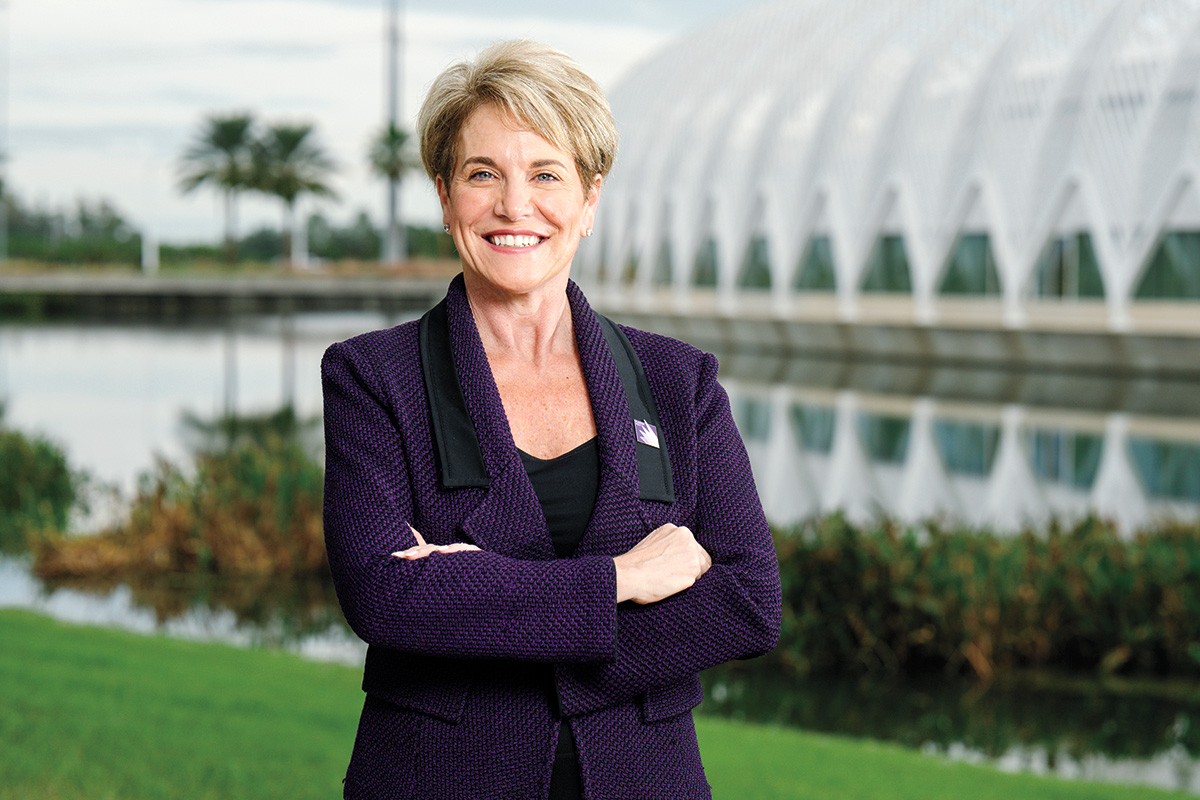
Two years into the job, Stephenson is proving to be "the right leader for the right time," says Kigel. The school's first decade was "foundational," she says. The next 10 years should be "transformational."
That's what the school's strategic plan, approved by the state Board of Governors in March 2025, calls for. It sees Florida Poly "as a leading economic driver in the region" with a research park that helps drive public-private partnerships. As it grows, the university wants to increase four-year graduation rates to 60% — all Florida Poly students must do internships, which often lead them to reduce their per-semester class loads.
Lakeland Economic Development Council President Steve Scruggs believes Florida Poly's potential partnership with Carnegie Mellon and plan to open an applied robotics center will attract private companies and others to do business in Lakeland.
Under Stephenson, Florida Poly is adding a second M to the STEM focus, partnering with the Orlando College of Osteopathic Medicine (OCOM) on a biomedical education curriculum. That should help fuel enrollment growth and bring some of its demographics into better balance. Currently, more than 80% of Florida Poly students are men. In addition, an aerospace engineering degree will be introduced this fall.
Stephenson had his first performance review in November, drawing trustees' praise and securing a 3.5% pay raise and a 28% performance bonus. (By now, all the dissenting trustees have been replaced, mostly because their terms ended. The new board unanimously approved his raise and bonus.)
Enrollment is at 1,931 students with GPAs and test scores increasing. The school anticipates having at least 2,200 students this fall. Faculty retention was at 83% in 2021-22 but has been at 97% or higher for the past two years, school officials say.
"I don't think we expected the acceleration to be as fast as it was," says Kigel, a trustee since 2020 who served as a Florida transportation commissioner from 2012 to 2019 and is senior vice president and national practice consultant for transportation and infrastructure design firm HNTB.
She's also excited about the partnerships Florida Poly is forming, crediting Stephenson with bringing "connectivity" to state leaders. "One of the things I have always said is, 'Yes, we want to have national prominence, but you have to start with state prominence.' ... We have to be recognized as the leader in the state of Florida in STEM education."
Kigel believes Stephenson has the "ability to really drive growth through state-level investment and partnership and also (has) a keen understanding of what are the things that are important to them, including the Board of Governors, and what does this university need to deliver."
What Stephenson thinks Florida Poly should be is dramatically larger than the original blueprint. When he interviewed for the job, he called on the school to aim for 3,000 students.
"That is way under what I believe this institution will realize," Stephenson says now. "In fact, I believe in a decade this institution could easily be 10,000 students. My goal now is not 3,000 (by 2030), it's 5,000 and then setting the stage for 7,500 and then 10,000 students."
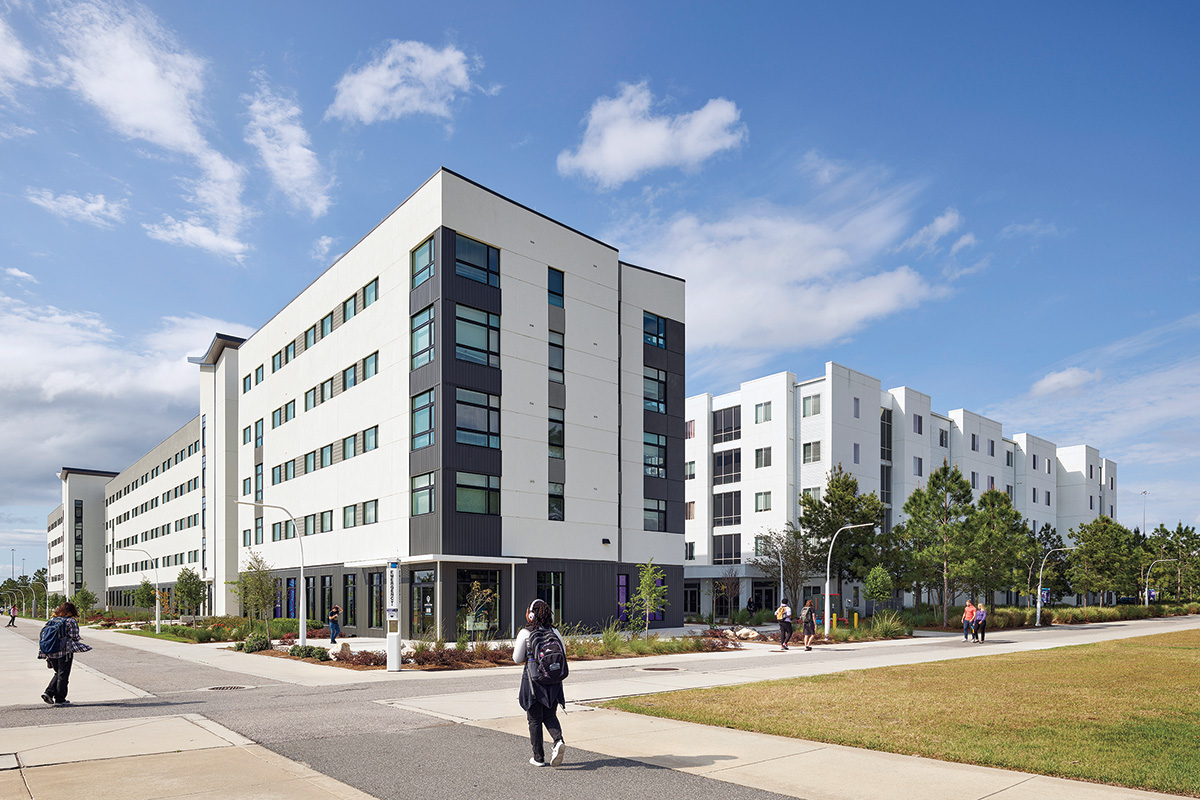
Polk County is one of the fastest-growing areas in the state and the country, he says. The demand is there. The biggest challenge, he says, is ensuring that there are enough classrooms, labs and residence halls to accommodate that growth. That's where his "friend raising and fundraising" is focused. Florida Poly's third residence hall opened with 430 beds in 2024 and is near capacity. Construction on a fourth starts this fall and should take 18 months to two years to complete.
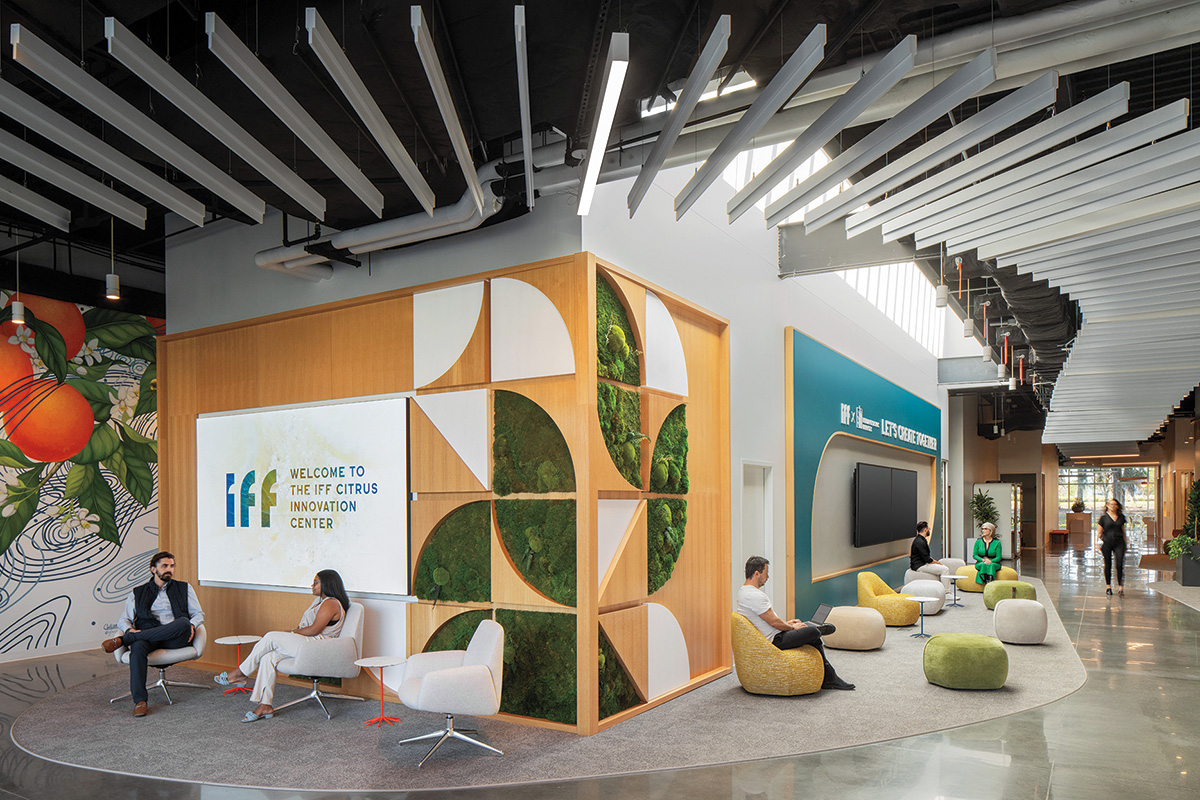
International Flavors & Fragrances, a Fortune 500 company that makes custom ingredients for food and beverage companies and other industries, opened a citrus innovation center on campus last year. Florida Poly uses it as a bit of a showcase for other potential industry partners.
A 138,000-sq.-ft. Student Achievement Center expected to cost $85 million is slated to open in 2029. Classroom and lab space are at capacity, and the school is redesigning some buildings and adding soom portable classrooms. "We have no choice," Stephenson says.
PARTNERS TO SUCCESS
Completing an affiliation agreement with the NREC, part of Carnegie Mellon's Robotics Institute, would bring Florida Poly both prestige and opportunity. The relationship precedes Stephenson's tenure and started with a 2024 visit to Pittsburgh arranged by Lakeland Economic Development Council President Steve Scruggs.
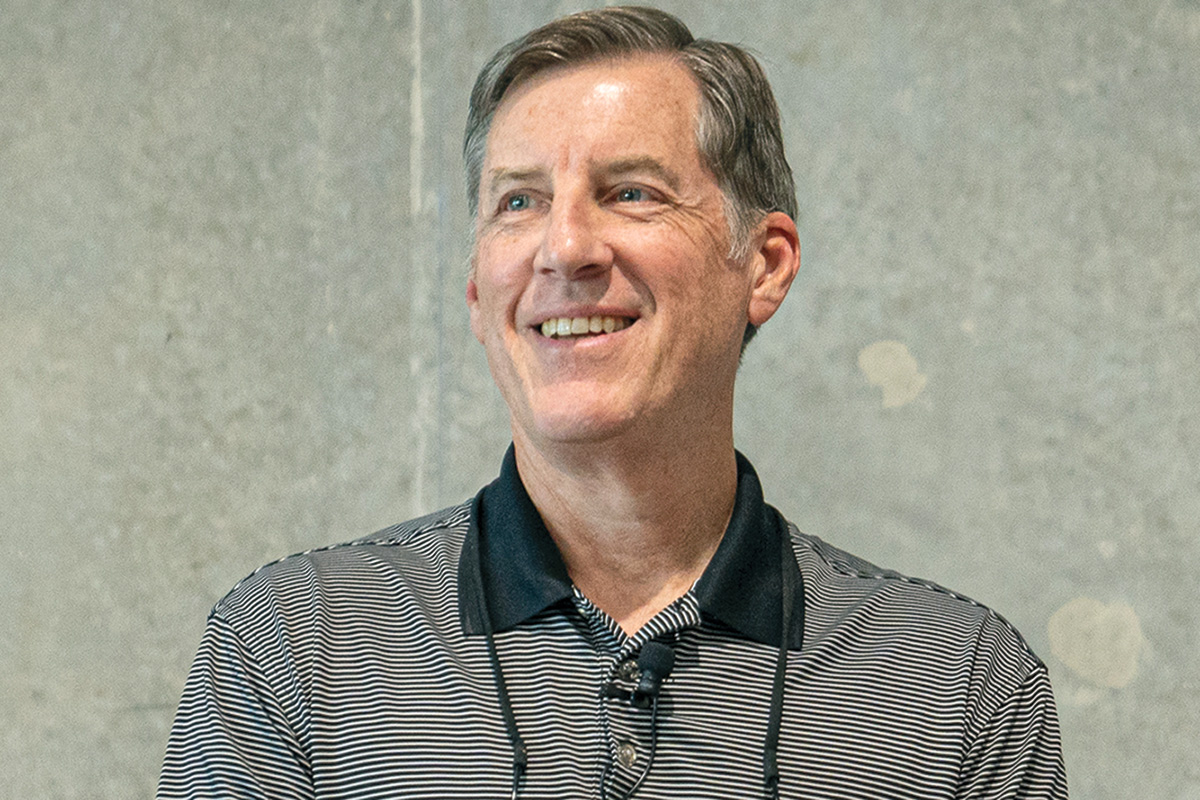
He's led more than a dozen "city visits" since 2008, looking for economic development ideas that might work in Lakeland. The city's Catapult incubator came from a trip to Chattanooga, Tenn. A trip to San Diego, where the group toured the University of California, San Diego, was one of the sparks that led to the 2011 drive to break Florida Poly free from USF.
"We loved USF. It was nice to have here," Scruggs says. But "it just couldn't have the impact as a branch campus."
He went to Pittsburgh interested in learning about its two universities, Carnegie Mellon and Pitt, along with its health care systems. NREC "caught my attention the most," Scruggs says, because robotics and automation could work well in Lakeland, an area with more than 100 million square feet of industrial warehouse space.
About a year ago, the NREC reached out to him to discuss whether Florida Poly could be a potential affiliate. Scruggs and Stephenson led a university delegation that went back to Pittsburgh in January to find out more.
The proposed partnership would lead to private companies and the Department of Defense, a key NREC customer, to "do the business here instead of doing it in Pittsburgh," Scruggs says, and that will bring in high-skill, high-wage employers who can help shape the area's reputation.
Scruggs says it would also signal other institutes to say, 'Hey, what's going on down there?" and "how come we're not going down there taking advantage of their professors, students and the industry that's in that area?'" Scruggs says.
To Kigel, these are the kinds of transformational steps made possible by the university's first decade of development. And they are vital in order for a young university with a small alumni base to continue improving.
"We don't have huge endowments and things of that nature from alums," she says. "We know one day we will as they mature in their careers and do really well. But the partnerships with industry are incredibly important to infusing investment into the university but also providing opportunity to our students."
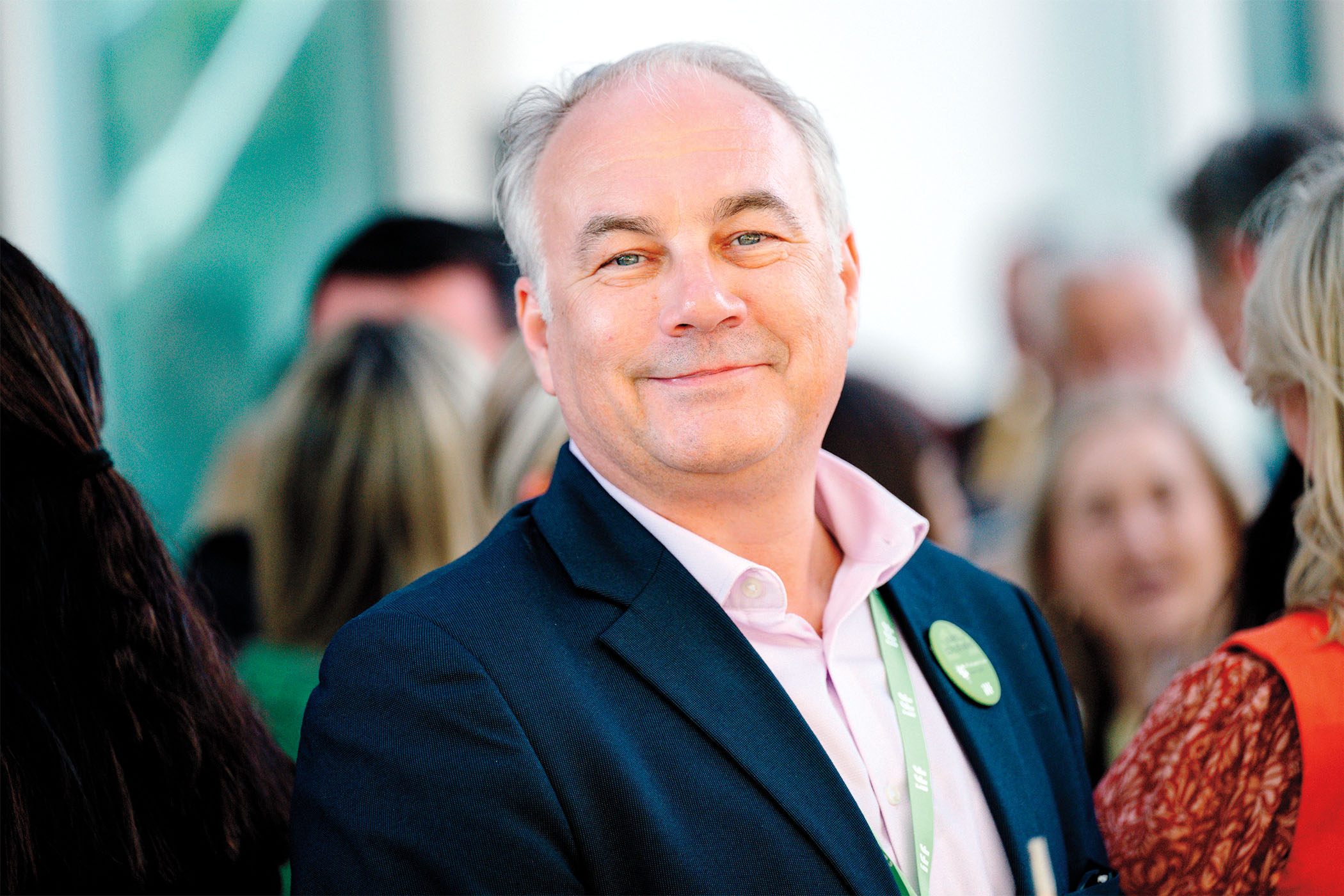
This summer, several Florida Poly students will intern on campus with International Flavors & Fragrances (IFF), a New York-based Fortune 500 company that makes custom ingredients for food and beverage companies, household goods and the pharmaceutical industry. "It's all about customization," says Karel Coosemans, vice president for citrus innovation. "We don't sell the formula twice. ... There is a creative aspect to it. We deliver a new product for every single application."
IFF was looking for a Central Florida home to build a citrus innovation center before signing a deal with Florida Poly. It opened a 30,000-sq.-ft. building on campus last year and currently hosts about 27 employees. That figure should grow to about 45 in the next few years, Coosemans says, and the university's "talent pool absolutely is going to help us."
Florida Poly uses IFF as a bit of a showcase for other potential industry partners. One of the selling points, Coosemans says, is its youth. "I would be a small partner for a big university. ... IFF is big for Florida Poly. That helps."
DEFYING THE NAYSAYERS
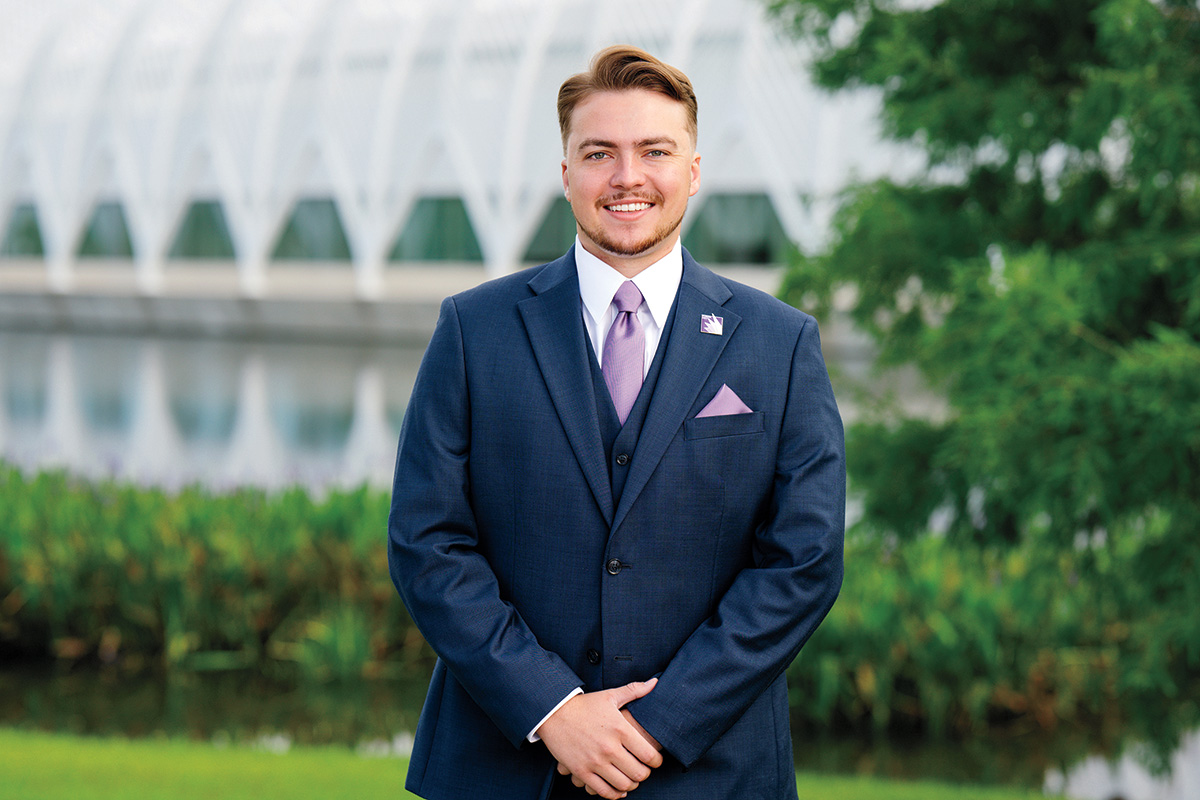
Students appreciate what growth is doing to the university, says senior mechanical engineering student Colby Manrodt, a trustee this year as the student body president. "It's only helped with the student experience because it brings more life to campus. You see more people outside. Our events are more populated. I think the more students we have on campus, it shows that Florida Poly is a college that people want to be at. It helps enhance that student life."
Colby Manrodt, Florida Poly's student body president and a trustee, says the school's growth is livening up the campus. "Our events are more populated. I think the more students we have on campus, it shows that Florida Poly is a college that people want to be at. It helps enhance that student life."
Manrodt says he "didn't really know about Florida Poly when I was graduating from high school" in Sarasota, but he received an unsolicited call from an admissions officer inviting him to visit campus and apply. He immediately connected with the school's architecture, its STEM focus and the accessible faculty.
Stephenson is accessible, too, routinely seen interacting with students as he moves about campus. He recently approached Manrodt and some classmates working on a fighter jet flight performance analysis, asking about the math and other details.
"It was kind of special," Manrodt says, "because I don't think you'd have that at a larger campus."
Thus far, Stephenson and Florida Polytechnic University seem to be defying the naysayers. U.S. News and World Report ranks it the No. 1 public college in the South. Its graduates walk out with the least amount of debt and highest-paying jobs in the state university system. It just achieved its highest performance-based funding score — a series of data points including graduation rates that the state uses to evaluate new funding distributions.
Florida Poly's conversations with Carnegie Mellon show the university is starting to "attract the exact type of research and companies we always hoped it could and would," says Scruggs.