









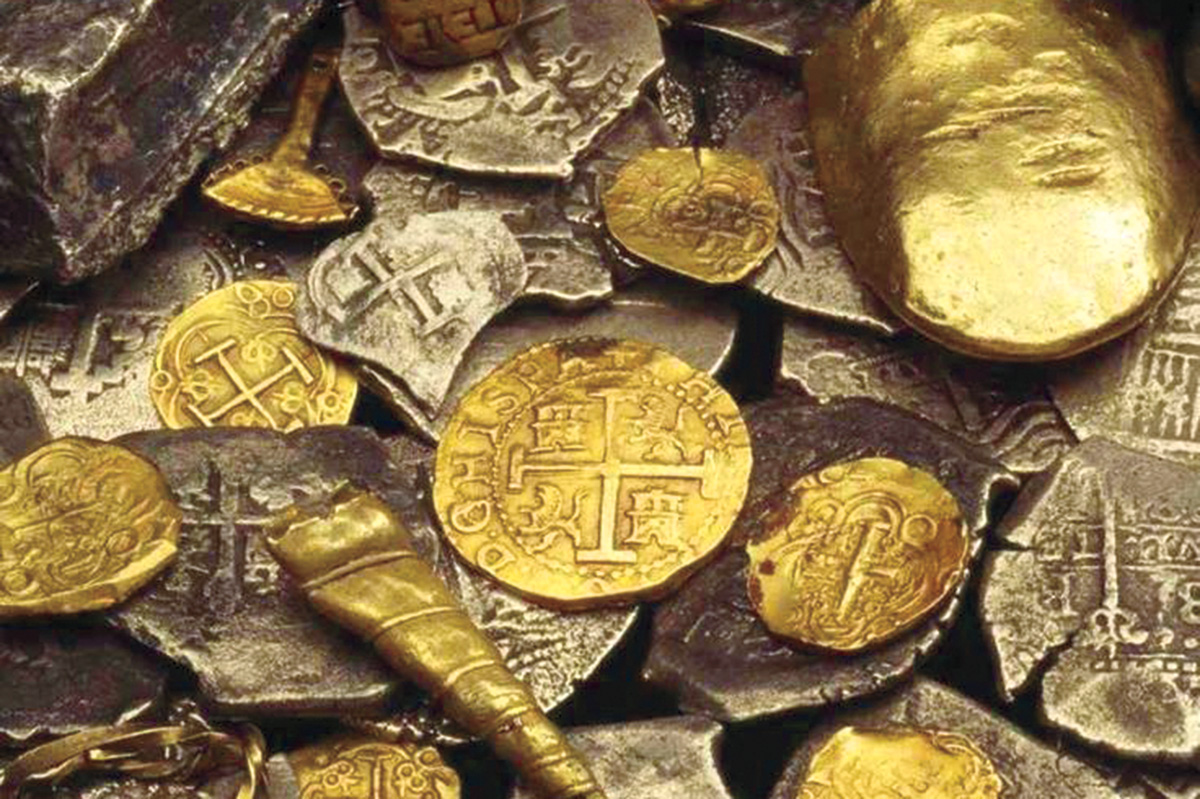
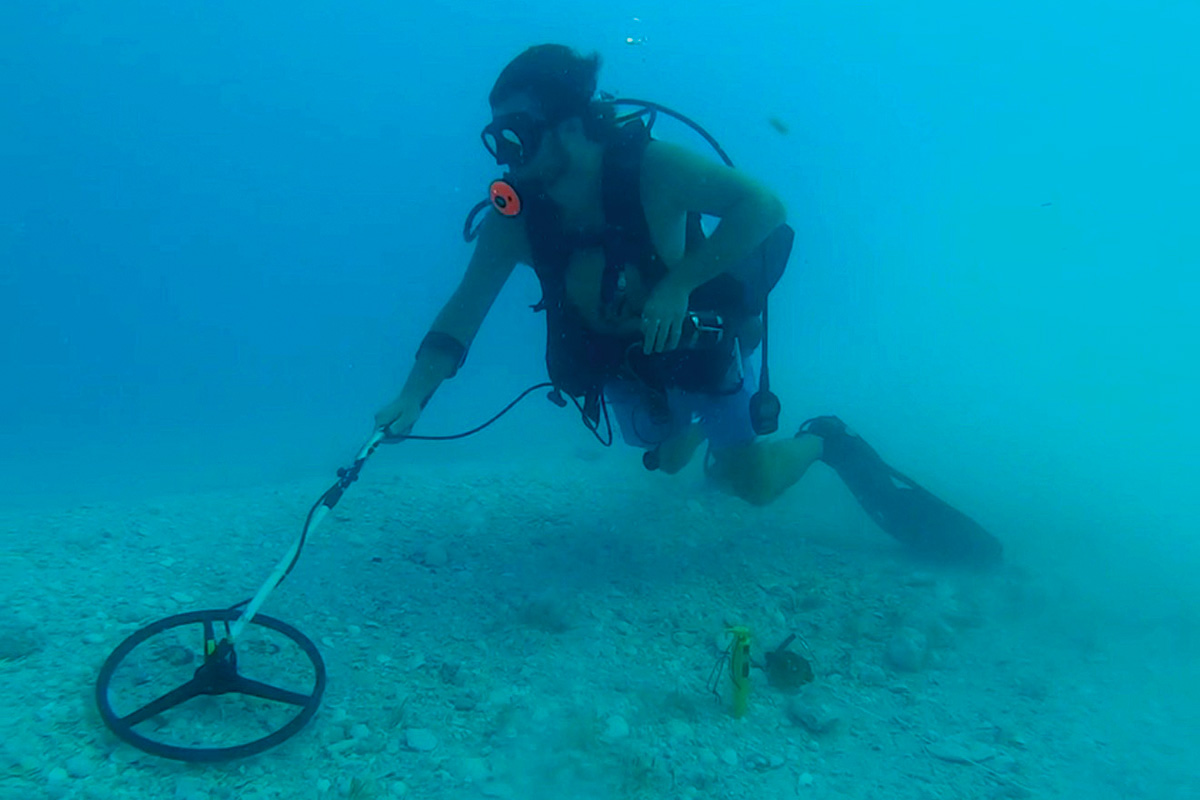
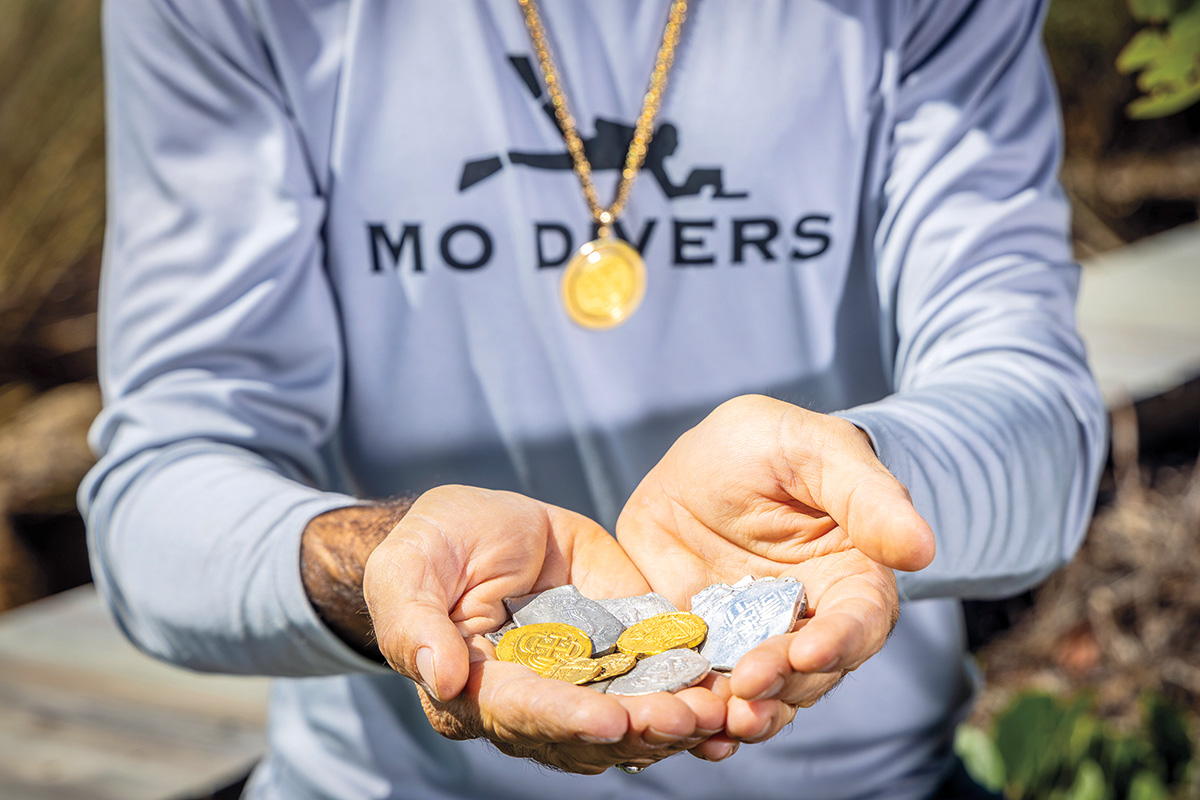
Few who dream of finding shipwreck riches can match Michael Perna's exceptional introduction to treasure hunting in 1996. The Vero Beach native and a friend were watching a TV show about Florida's renowned Mel Fisher, who had found treasure right there on young Perna's doorstep on the Treasure Coast, so named for the Spanish treasure fleet that foundered there in a 1715 hurricane.
Perna resolved to go that very night to search. He went to get his father's metal detector and have dinner. By the time he and his friend hit the beach on that moonless night, it was pitch black. Perna wasn't swinging his detector long when he got a hit, then another and another as he went down the beach. "Silver coins all night long," he recalls wistfully.
Except they were metal slugs, tossed to the sand unseen in the dark by his pal as a prank.
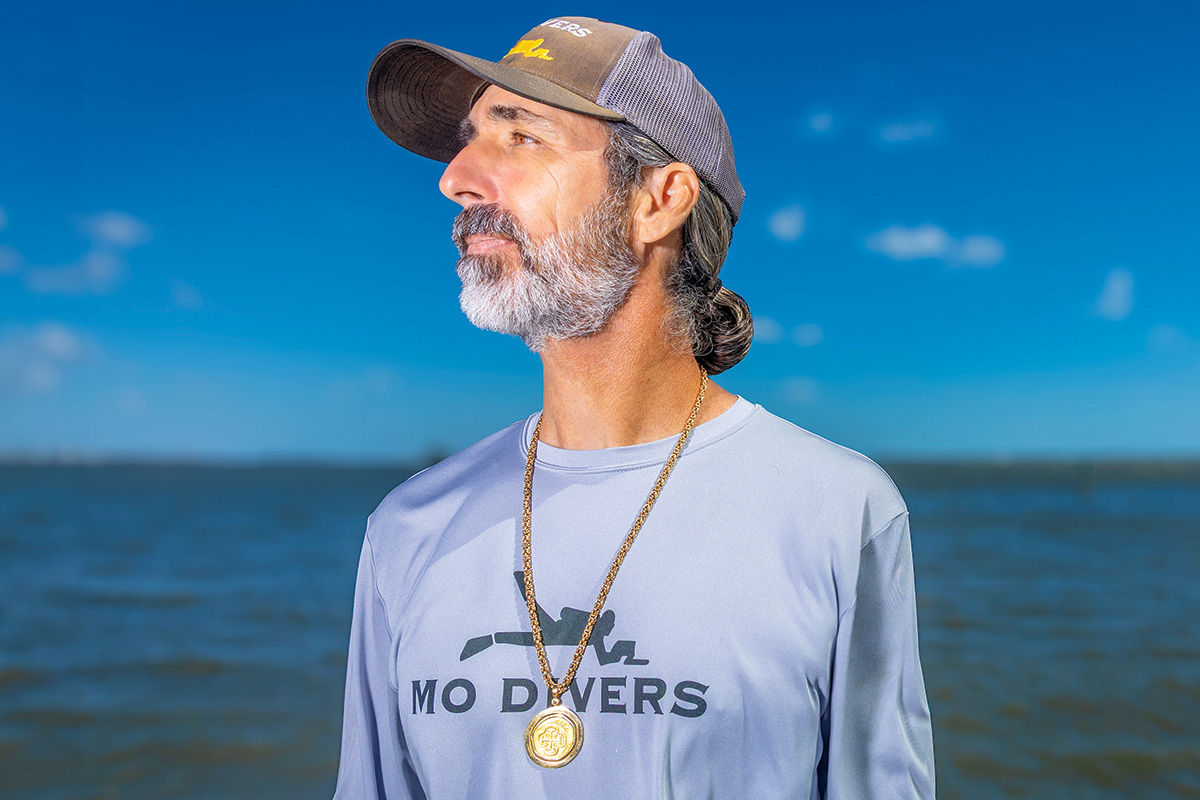
Talk about a cautionary tale. No matter, treasure hunting had hooked Perna. Thirty years later, he's 46-year-old Captain Michael Perna, married, father of a toddler, owner of two boats, a treasure hunting subcontractor for a concern called the 1715 Fleet-Queens Jewels LLC that has the recovery rights to several sites of 1715 wrecks.
June is the first full month of treasure hunting season on the Treasure Coast, one of the summer months when the water is sufficiently clear and calm for Perna and Queens Jewels captains like him to search for a big score, though more likely they will do well each day just to find a stray gold coin or a pile of encrusted metallic gunk you would be hard pressed to recognize as silver.
He's a small businessman — he won't talk revenues — in a small industry whose players struggle to turn a profit against weather, sand and, most formidable of all nowadays when it comes to new treasure discoveries, government. In treasure hunting, it turns out, rarely now are finders keepers.
THE BUSINESS MODEL
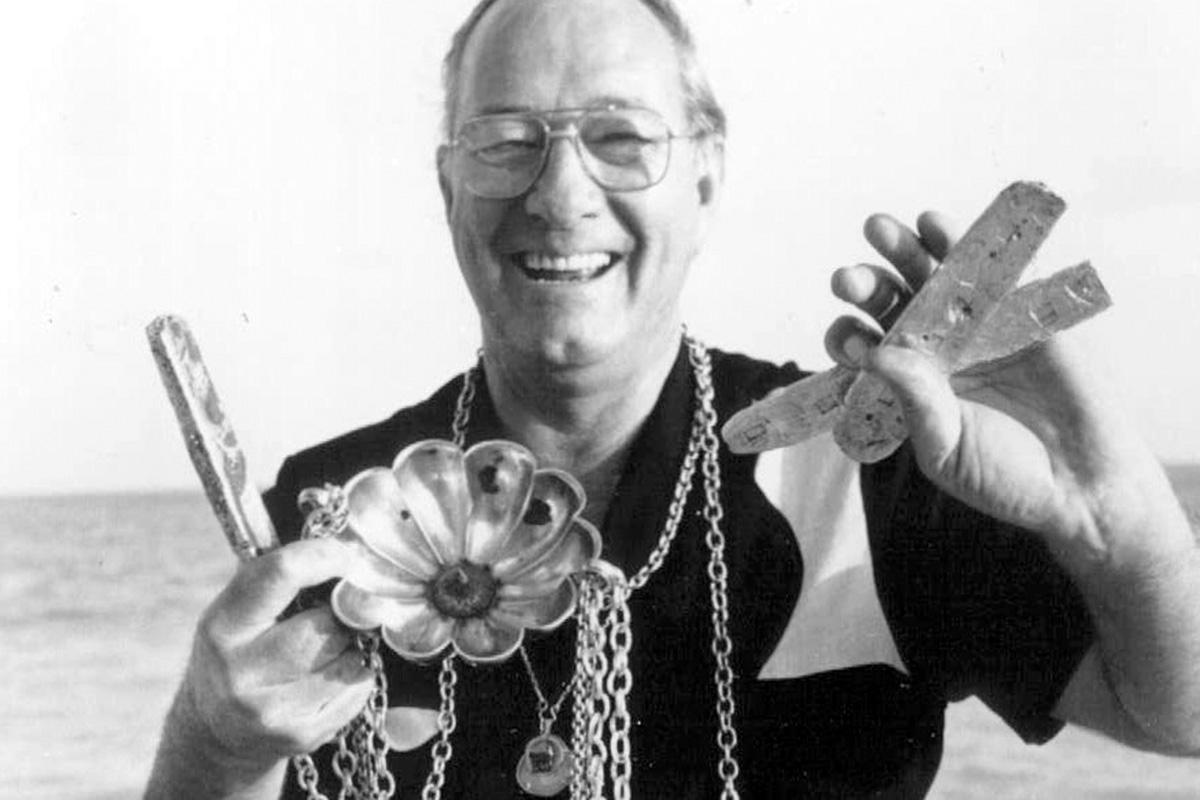
Profiting from maritime misfortunes dates back centuries in Florida. "Wrecking" — recovering lumber, cotton bales and other cargo from ship mishaps — gave Key West in the 1850s the highest per capita income in the nation. The advent of scuba technology after World War II enabled hunts for the kind of Spanish colonial treasure that Perna and Queens Jewels scour the bottom for today. Florida has been home to some of the best-known names in treasure hunting lore: Kip Wagner, Robert Marx, Norman Scott, Demostines "Mo" Molinar — Perna's mentor — and Fisher. In Queens Jewels' modest office in a Sebastian commerce park, Perna put up a photograph that appeared in Life magazine of Mel and Mo celebrating as they surface with a gold find.
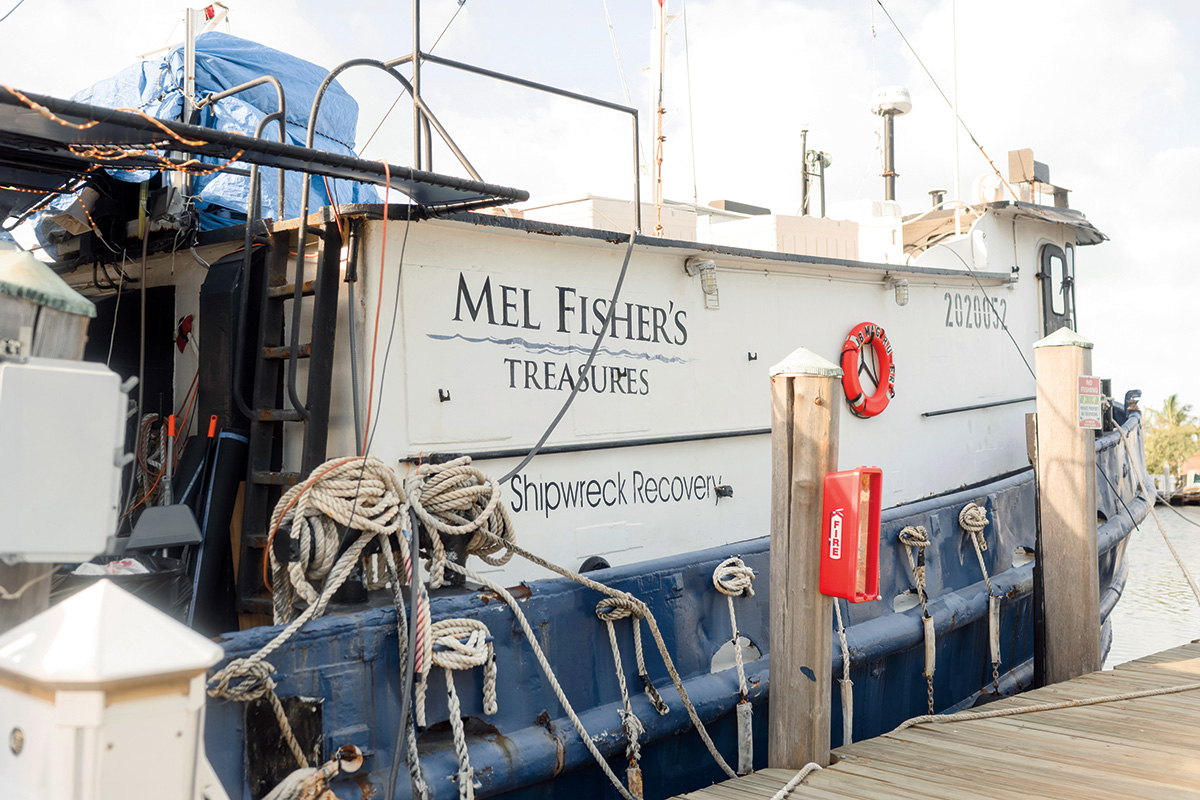
Mel Fisher's Treasures — a business owned by the legendary treasure hunter's heirs — consists of a building on Key West's Duval Street that also serves as a base for the dive team and mariners who operate a salvage ship. The company offers an investor program to fund continuing searches of active wreck sites.
Fisher, a one-time Indiana chicken farmer and California dive shop owner, came to the Treasure Coast in 1963 and developed searching innovations and methods still in use today. His heirs own the "Mel Fisher's Treasures" roadside museum/gift shop in Sebastian. They sold the rights to their Treasure Coast sites in 2010 to Queens Jewels, the company for which Perna heads conservation and subcontracts. He wouldn't disclose the owners behind Queens Jewels.
Fisher famously moved on to the Keys and after a 16-year hunt found the "mother lode" in 1985 of the 17th-century Spanish galleon Atocha between Key West and the Dry Tortugas. He fought all the way to the U.S. Supreme Court to secure the find that made him famous, though not rich. He died in 1998.
These days, the Fisher family-owned treasure business in Key West consists of a store in a Duval Street building that also serves as the base for the dive team — a handful of divers and mariners who operate the half-century-old salvage ship known as The Dare.
The business model: Each year, the Fishers form a venture to which they contribute use of the boat and other services while investors buy shares — $12,500 for an eighth of one share — capped at approximately $3 million to fund the year's hunt. (Unlike on the Treasure Coast, Keys waters can be searched year-round.)
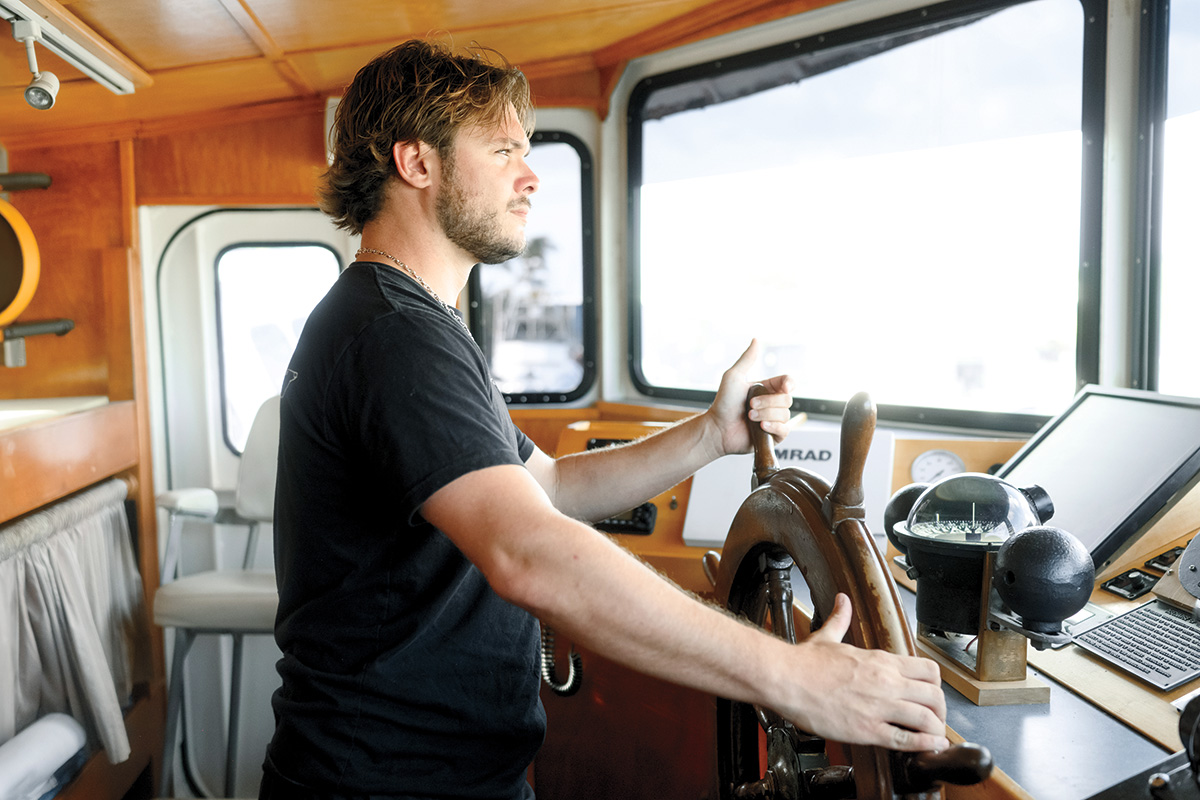
After that, it's up to the weather, some noodling, luck and divers like Blake Baker, who doubles as the business's social media content creator. The Indiana native moved to Florida at age 22 in 2020 to launch a scuba business. After four years of hustling to get that going, in 2024, he bailed on his Tampa apartment lease, sold his car and signed on as a diver for the Fishers. "It changed my life, drastically," Baker says.
Now in his third year, "Buccaneer Blake" — his nickname and social media handle — is first mate on The Dare and lead diver.
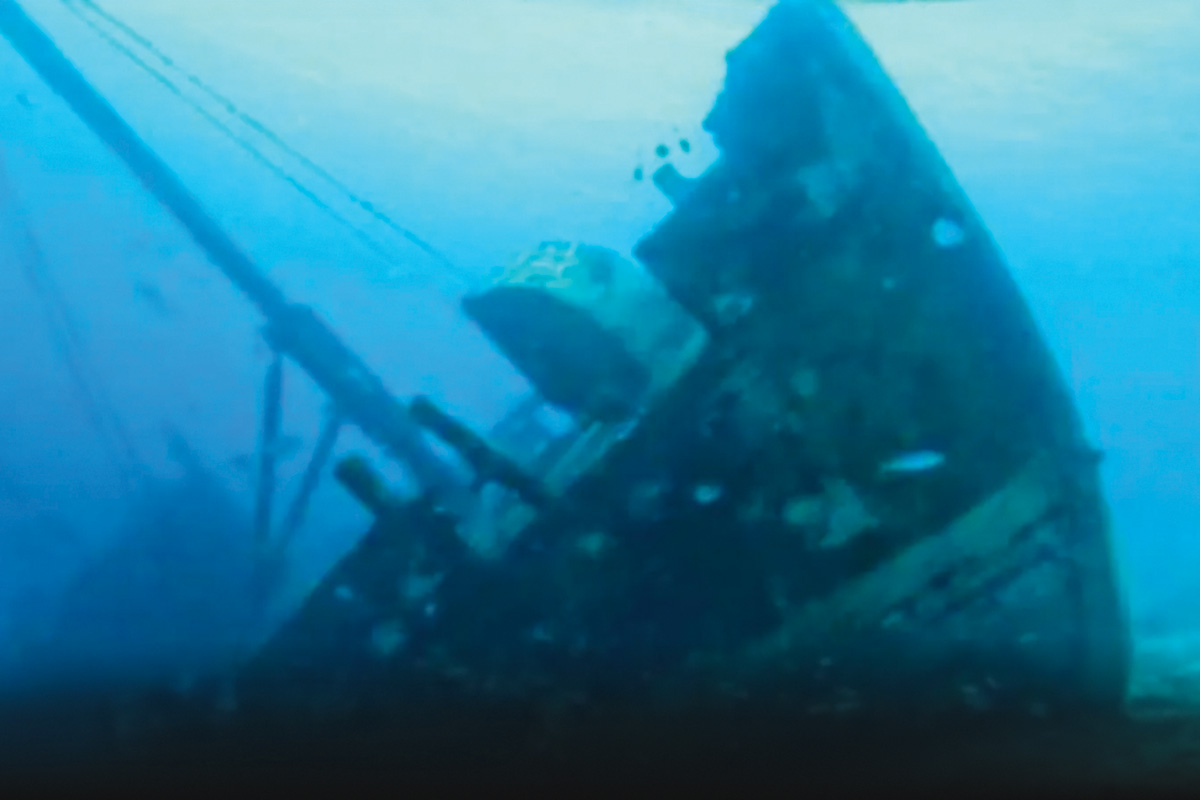
In Florida, treasure rarely is found in the holds of ghostly colonial ships on the bottom. The sea long ago pounded the ships apart. Wood rotted away. Heavy items — ballast and cannon — mark the wreck site. Hunters then follow debris trails for miles in search of artifacts, gold, silver and jewels swept along by currents and buried in the sand. Baker, like all treasure hunters an inveterate storyteller, recalls his first summer on the bottom when he got a hit with a metal detector. Excited, he dug with his shovel, saw a flash of yellow and grabbed for Atocha gold. It was a hammer, like from Home Depot. "There's a lot of modern trash out there," he says.
'LEGAL BATTLES … AND DRY HOLES'
The Dare stays on site for 12 to 15 days at a time. Baker guesstimates he spent 250 days at sea in 2025.
The sites traceable to Fisher are essentially the only active profit-seeking ones in Florida. Hunters say plenty more deposits of precious metals and items of historical interest from lost ships lie around Florida. The difficulty is getting government approval to recover them.
"There's a lot of new law in the last 30 years. A lot has changed since the time of the Atocha and the 1715 treasure fleet," says University of Florida law professor Ryan Scott. Long before he began teaching civil procedure and business law, Scott grew up with side-scanners and magnetometers, hunting treasure as the son of the late treasure hunter Norman Scott. Laws such as the 1988 Abandoned Shipwreck Act and the 2004 Sunken Military Craft Act hamper private sector recoveries, as does a UNESCO treaty signed by 70-some countries, though not the United States. The legal framework has so changed that it's an open question as to whether any treasure hunter in Florida, other than those working the grandfathered-in wrecks dating to Fisher, can succeed.
"It is very easy to lose," Scott says.
Just ask Robert Pritchett, cave diver, home builder and Florida treasure hunter. "Treasure hunting is not a good business model," Pritchett says. "It's not a good business model because of the government."
Governments globally have made their sunken military vessels — regardless of era — off limits to salvors. Academic archaeologists have successfully pressed their view into law that wrecks require research and preservation by credentialed archaeologists rather than recovery by profit-seeking venturers.
The business can display a seamy side. The state, working with the FBI, announced in 2024 it had charged Eric Schmitt, a member of a Queens Jewels contracting family, with dealing in stolen gold coins — found in 2015 off the Treasure Coast — that were among 50 found and unreported and illegally sold in 2023 and 2024. Schmitt, the state said, used three of the coins to put on the ocean floor in 2016 to be found by new investors.
Treasure hunters acknowledge the field has had unethical players but believe the pendulum has swung too far to a "keep off" barrier meant to regulate hunters out of existence. They believe that lost artifacts are better off being documented and saved by them than left to destruction by the elements or trawler nets or locked away from the public in museum storage.
Treasure hunters say plenty of valuable deposits from lost ships lie around Florida. The challenge is getting government approval to recover them.
Pritchett in 2015 got an exploration permit for areas off Cape Canaveral from the state, which oversees searches in state waters, and the next year found five wrecks. He sounded out the nation of France about partnering to recover one. France, instead, fought him in court and won over what it said was La Trinite, a French ship lost in 1565 as the French and Spanish battled for control of Florida. He is barred from trying to recover from it and lost an action to get reimbursed for his expenditure in finding it. Pritchett wants but hasn't received permission from the state, which sided with France, to further salvage the other wreck sites. He has choice words for Florida's government and federal court judges. The state Division of Historical Resources says it follows the law in its regulation.
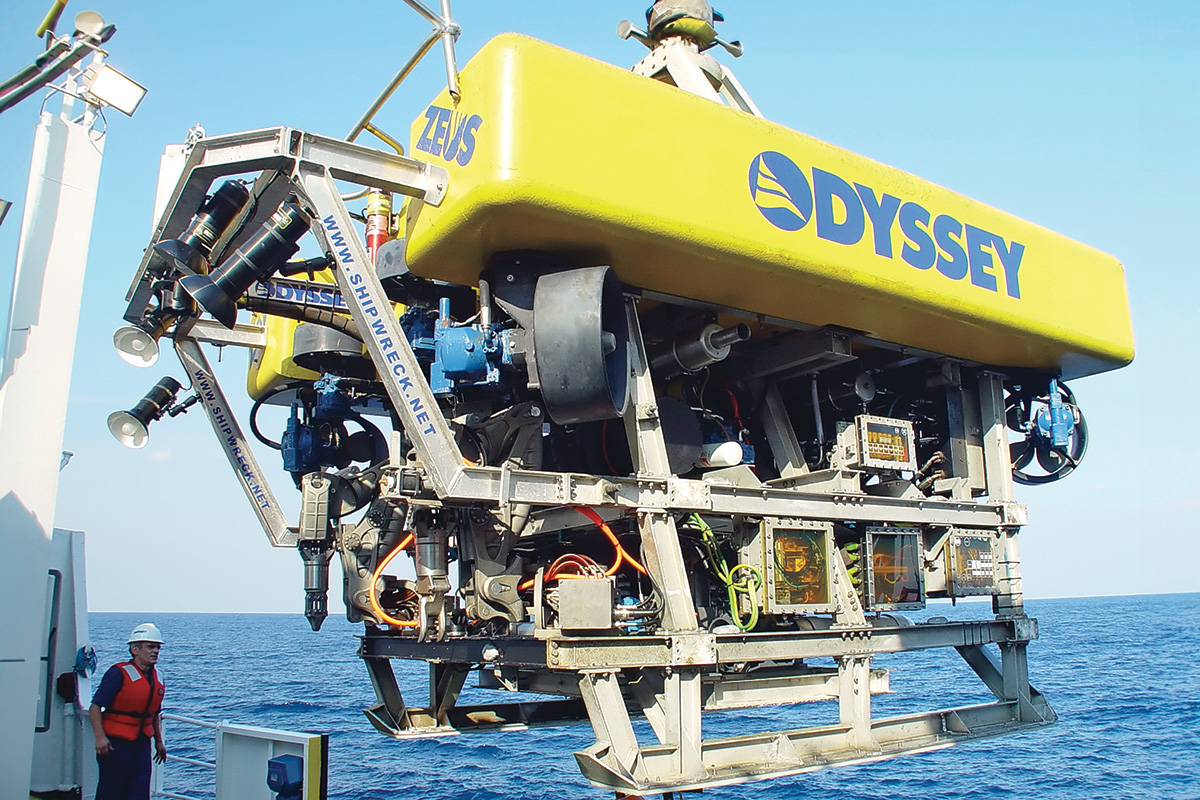
In the early 2000s, Tampa-based Odyssey Marine sought to build a name as a private-sector archaeology company finding, photographing and documenting wrecks and then raising the artifacts. In 2007, Odyssey found a treasure for the ages — 17 tons of silver coins and some gold — in the Atlantic.
Spain said the $500 million in treasure came from one of its ships and U.S. courts ordered Odyssey to hand it over. Odyssey since then shifted into the business of harvesting minerals