






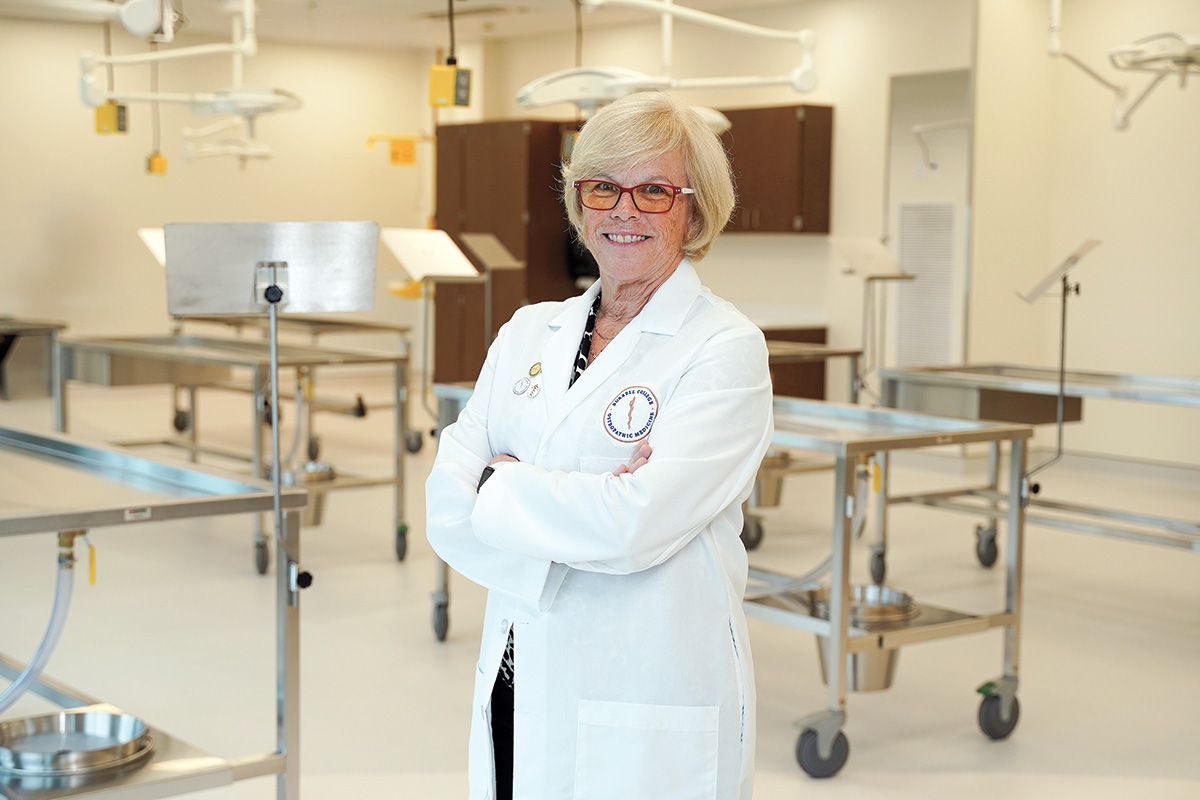
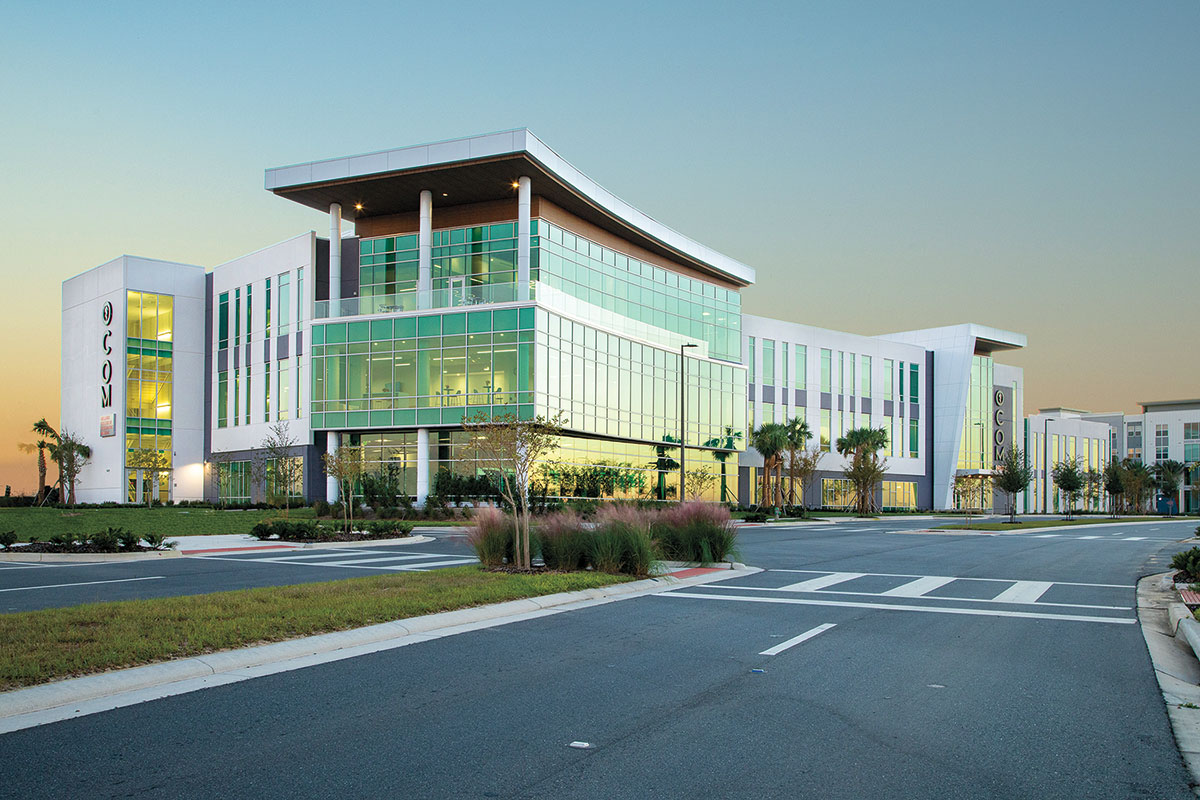
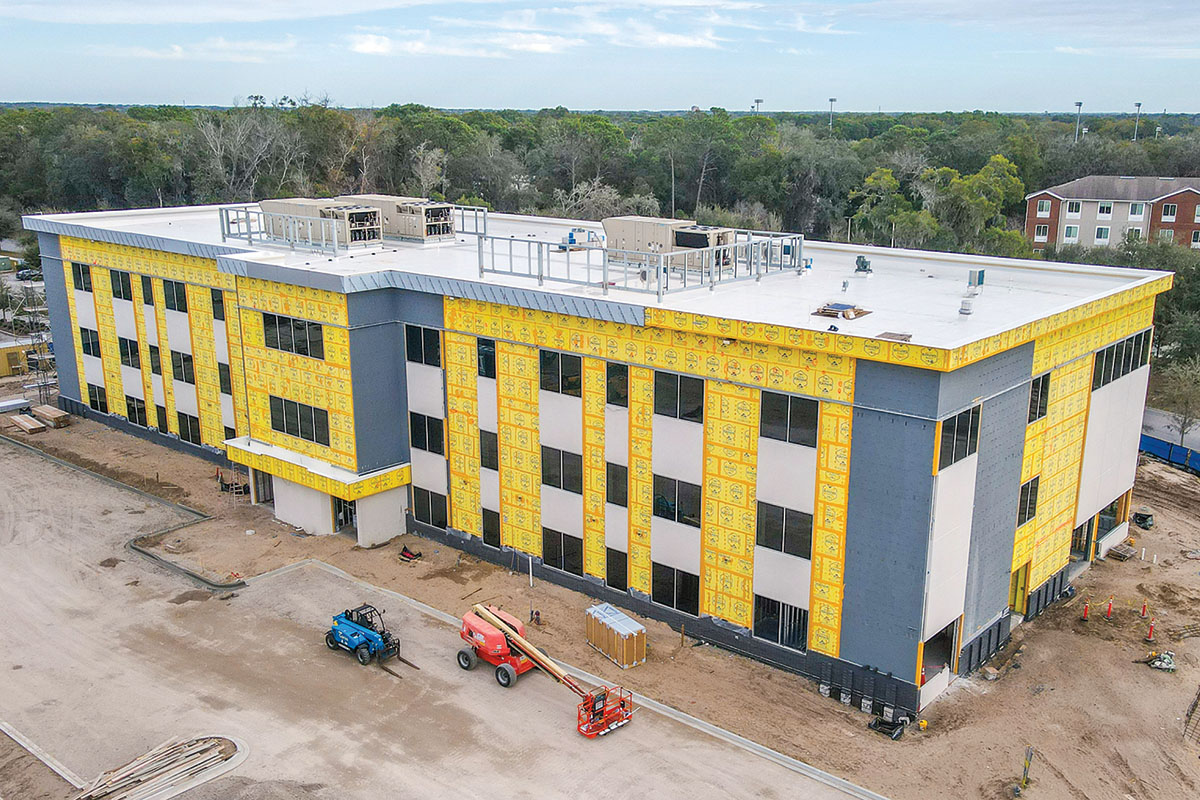
The next time you meet with your doctor, take a closer look at the name on his or her white coat. Most likely, that name will be followed by "M.D." But don't be surprised if you see "D.O." instead. That's because doctors of osteopathic medicine have quickly become a large cohort within Florida's health care landscape, and thanks to a surge in the number of osteopathic medical schools across the state, there will be only more of them in the years to come.
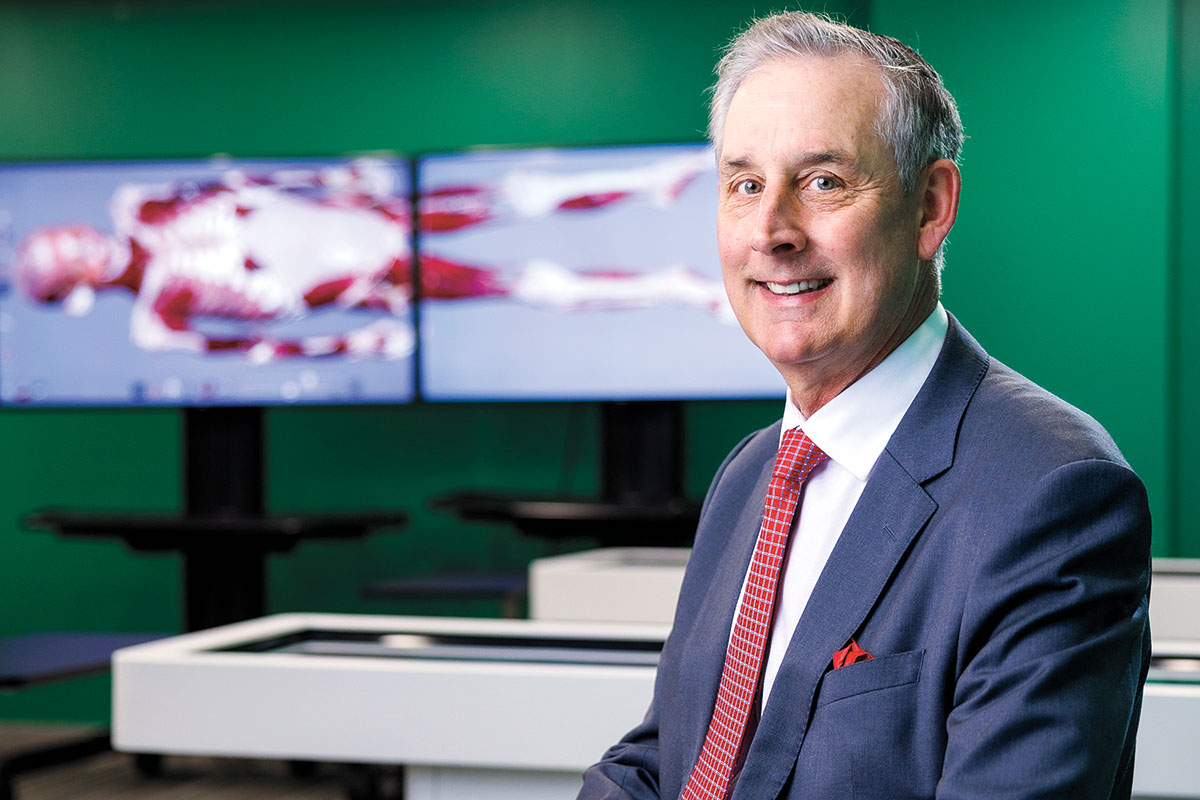
"We're the type of physician that America wants and needs right now," says Dr. Robert Hasty, dean of the Orlando College of Osteopathic Medicine (OCOM). "We're more likely to practice in primary care fields, and that's part of the reason why people love D.O.s and want more D.O.s in America."
According to the American Osteopathic Association, about 57% of D.O.s are primary care physicians, and more than a quarter of all U.S. medical students are pursuing degrees in osteopathic medicine.
Florida is one of four states with more than 10,000 practicing D.O.s (the others are California, New York and Pennsylvania), and with the Sunshine State facing a major shortfall of doctors ["Doctor Deficit," April 2022, www.FloridaTrend.com], the rapid uptick in D.O.-producing schools couldn't have come at a better time. Three colleges of osteopathic medicine — OCOM, Burrell College of Osteopathic Medicine in Melbourne and the Clearwater campus of Nova Southeastern University's College of Osteopathic Medicine — have opened in just the past seven years, and two more, Lake Erie College of Osteopathic Medicine (LECOM) at Jacksonville University and the Naples College of Osteopathic Medicine, are expected to open this year and in 2028, respectively.
Thanks to a surge in the number of osteopathic medical schools across the state, D.O.s have quickly become a large cohort within Florida's health care landscape.
"There's been a tremendous expansion of osteopathic colleges since I went to school," says Dr. Doris Newman, dean of the Burrell College of Osteopathic Medicine's Melbourne campus (Burrell's main campus is in Las Cruces, N.M.; it expanded to Florida in 2024). "It's one of the fastest-growing professions in the U.S."
Indeed, in 2025 the number of D.O.s and D.O. students exceeded 200,000 for the first time, according to an annual report compiled by the American Osteopathic Association. Since 1935, when the AOA began tracking industry statistics, "the total number of D.O.s has increased by 158,000 (1,721%)," the report states. Today, D.O.s make up 11% of all U.S. physicians.
DEEP ROOTS
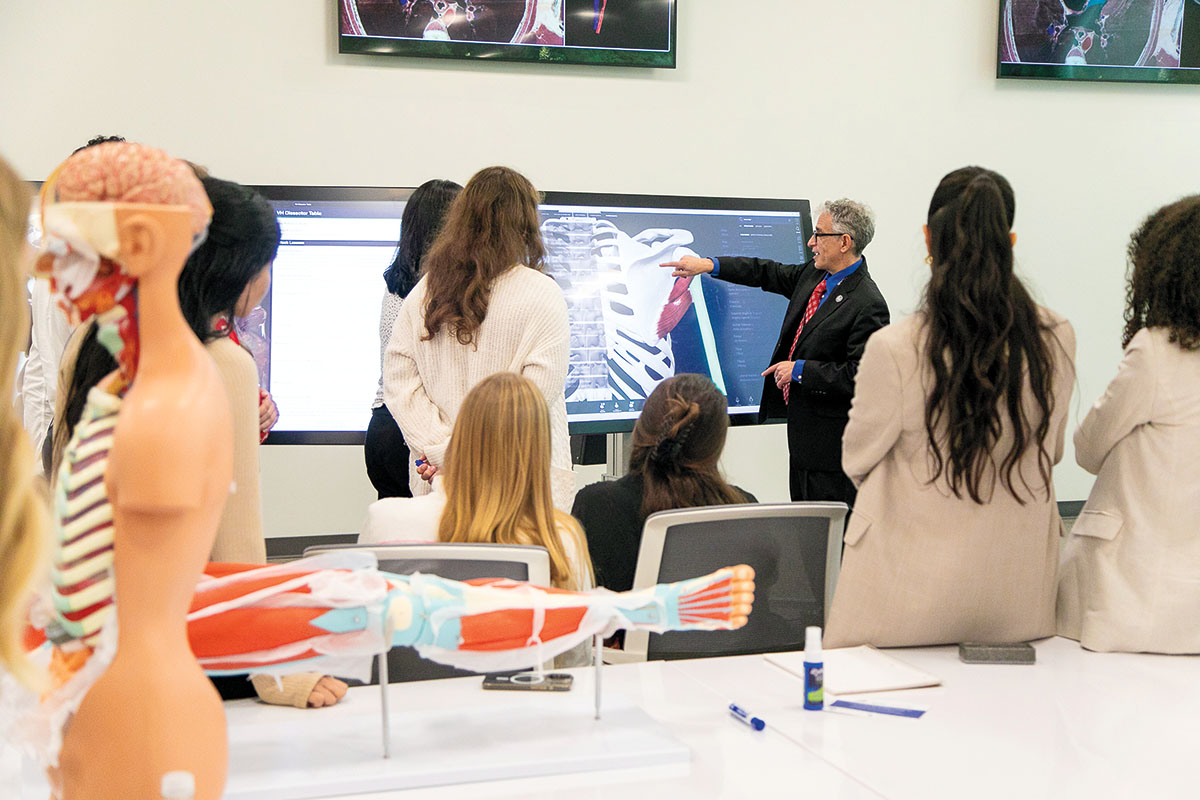
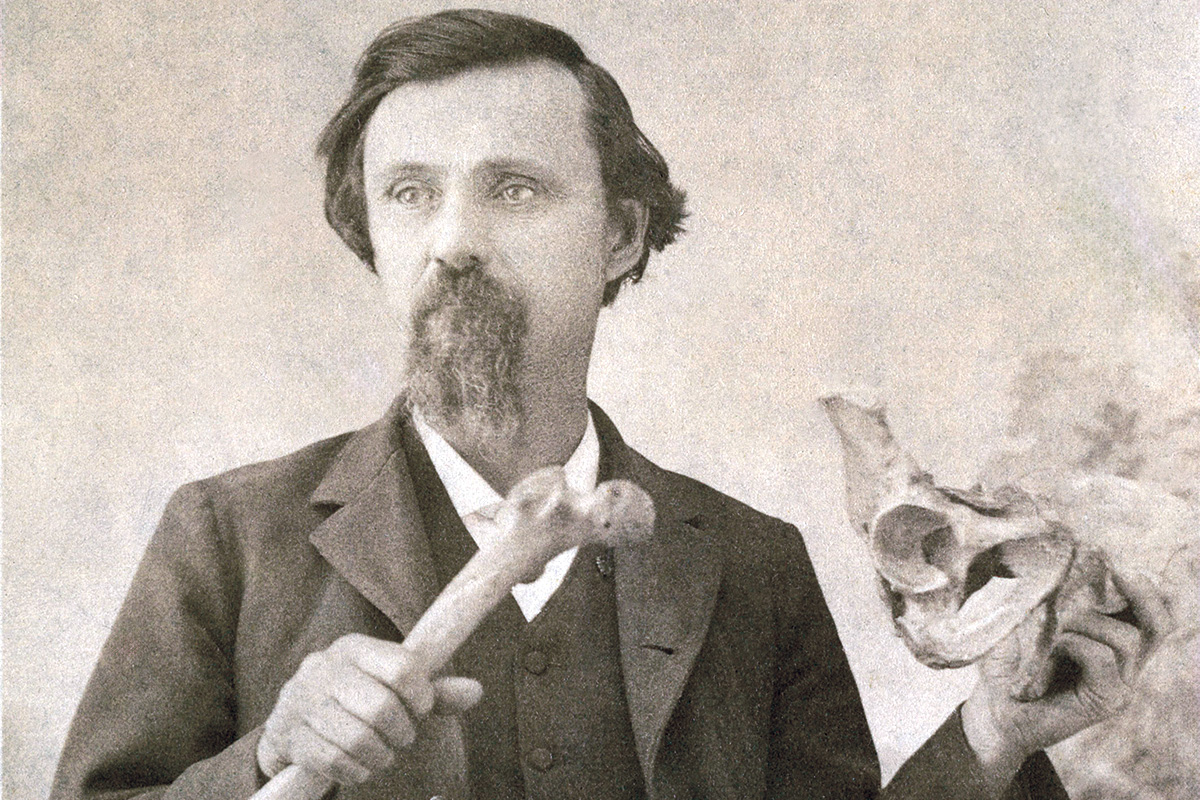
Osteopathic medicine has deep roots in the nation's history. Pioneered by Andrew Taylor Still, a physician who practiced in Kansas and Missouri in the late 1800s, osteopathy focuses on hands-on techniques that manipulate the patient's musculoskeletal system. The goal, says Dr. Elaine Wallace, dean of NSU's College of Osteopathic Medicine, is homeostasis, a state of balance among the body systems.
"The reason we put our hands on and fix the body is to put things back in their original place, because in their original anatomic place is where you have homeostasis of the body, which is the state in which everything works well," she explains. "In that state, osteopaths believe the body has an inherent capability to heal itself, and so not only will pharmaceuticals help, but if you can put things back where they're supposed to be, your blood flow in and out is going to be optimized. Your drainage is going to be optimized. Your nerve function is going to be optimized, and even delivery of medications is going to be optimized, because it's going to go through the arterial system and get to the areas where it needs to be a lot quicker."
Still served as a military doctor for the Union during the Civil War, but his faith in traditional medicine was shaken when, in a span of only six years, his first wife and two of their children, plus a child from his second marriage, all died of various ailments, some of which, including pneumonia, are easily treated today. After the war, he explored a variety of alternative medical theories but was met with accusations of quackery and denounced by both religious and academic institutions. Yet his methods showed promise, and patients flocked to his office in Kirksville, Mo., which today is the home of A.T. Still University, the nation's first and oldest training ground for D.O.s. The university now has campuses in Mesa, Ariz., and Santa Maria, Calif., and a total enrollment of nearly 3,900 students, and it's added degree programs in dentistry, audiology, physical therapy and occupational therapy.
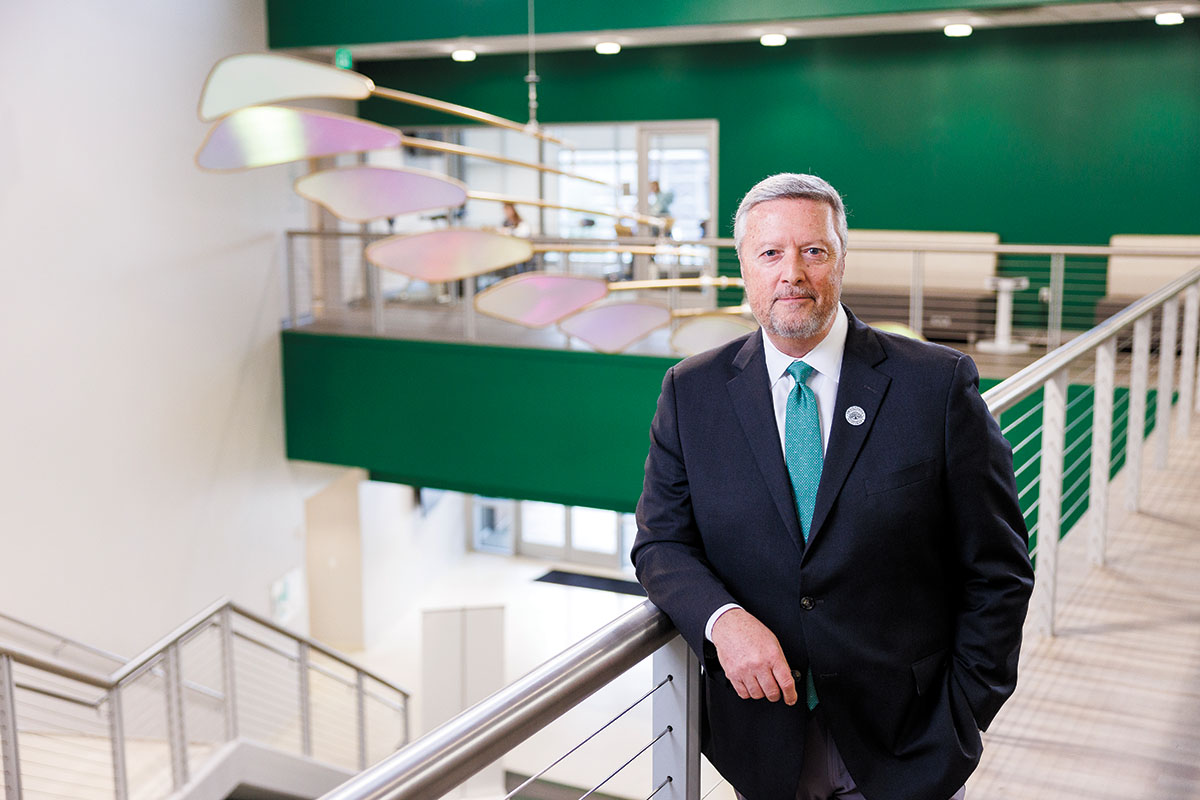
"I think the world is finally getting on board with the philosophy of osteopathic medicine: mind, body, spirit," says Dr. Chris Reeder, dean of LECOM at Jacksonville University, slated to welcome its inaugural class of students this autumn. "The integration of these three areas is so important for the health of the human body. Nutrition, taking care of your body, mental health awareness, spiritual awareness — all these things are integral to our profession."
While allopathic doctors — M.D.s — still vastly outnumber their D.O. counterparts and will continue to do so for the foreseeable future, the gap has closed over the past decade. According to the Kaiser Family Foundation's 2023 report, 1,013 physicians graduated from Florida's allopathic medical schools, a 60% increase since 2013, while D.O. schools produced 548 graduates, a 68% rise during that same time.
WHY NOW?
Osteopathic medicine is having a moment. The profession's breakthrough can be traced back to 1966, when the U.S. military granted full practice rights to osteopathic doctors. A year later, near the height of the Vietnam War, Uncle Sam began to draft D.O.s to help alleviate a shortage of physicians. Less than a decade later, in 1974, full licensure for D.O.s, nationwide, was approved.
Today, 38% of all physicians practicing in the military are osteopathic physicians, says NSU's Wallace. "The military has always been very positive about both allopathic and osteopathic physicians."
Sixty years later, another doctor shortage looms — particularly in Florida, where the size of the state's physician workforce can't keep pace with its booming population. Shouldering much of the blame is a so-called "silver tsunami": By 2035, the number of residents age 65 and over in Florida is projected to grow by more than 50%, ballooning demand for physician care. Meanwhile, the state's doctors aren't getting any younger: According to the Florida Department of Health's 2024 Physician Workforce Survey, 19,374 (33%) of the 59,856 physicians who provide direct patient care and responded to the survey are 60 or older, while only 9,750 (16.5%) are under 40. More than 8,000 respondents said they'll cease to provide direct patient care within the next five years. Of those, 5,555 (69%) cited retirement as their main reason for leaving the profession.
Add up all those trends, and you get a projected shortfall of 17,924 doctors by 2035 — and if the status quo continues, the state's physicians will be able to meet only 77% of the demand for their services.
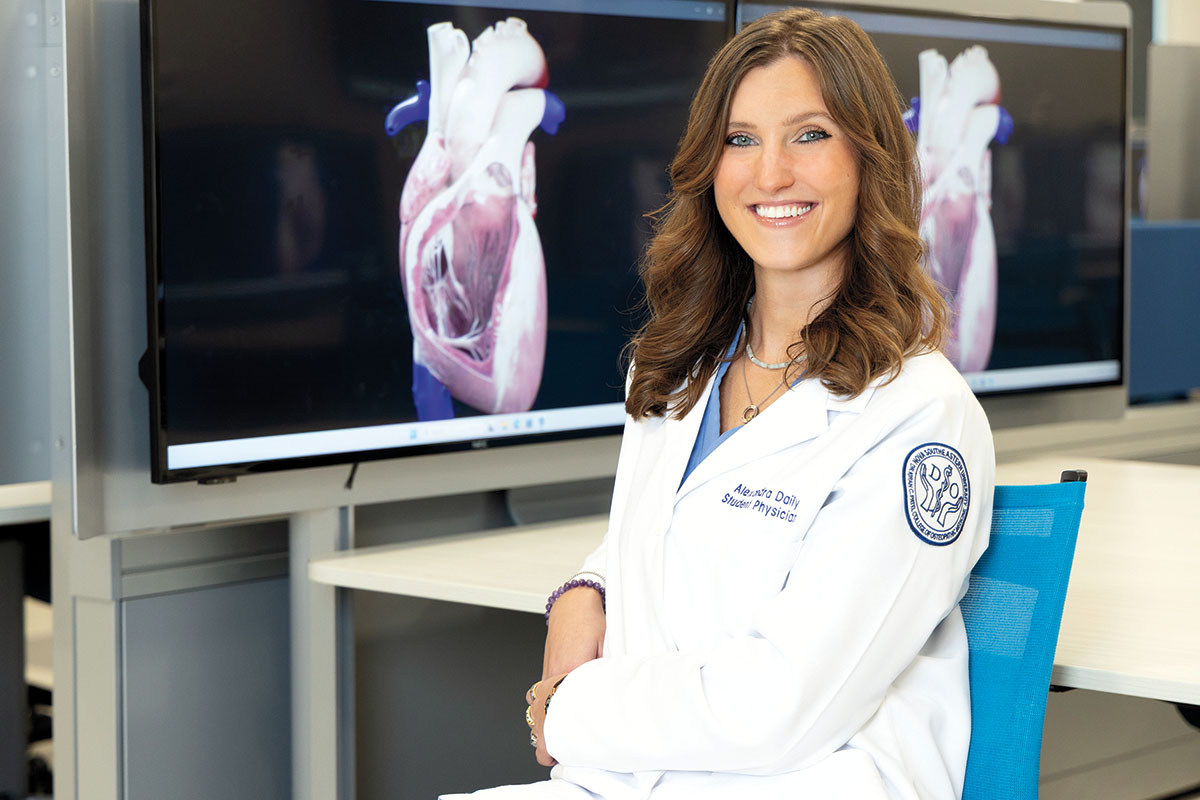
Alexandra Daily, 25, a second-year student at the Clearwater campus of NSU's College of Osteopathic Medicine, says she wasn't initially aware of Florida's impending doctor deficit, but now it "fuels my passion." She adds, "I want a career where I can give of myself in service to others. One of our clinical core rotations is in a rural setting. I think it's amazing that we get exposure to working with those populations. It aligned with my passion for service."
Daily's outlook is common among D.O.s, and bodes well for rural areas in Florida that are already medically underserved. (According to the DOH survey, 14 counties have fewer than eight primary care physicians.) Typically, colleges of osteopathic medicine and their students are intentional about addressing the fast-growing need for doctors in rural and underserved areas, although a D.O. can choose to specialize in any area that a M.D. could.
"Every school of osteopathy I've worked at focuses on rural and underserved patients," says Burrell's Newman. At Burrell, she adds, "Our students are out in clinics, community hospitals, rural settings; they're in prisons. I think that's another reason why osteopathic medicine is growing so much."
The fast-growing field also aligns with macro-level health trends, says Tim Cost, president of Jacksonville University, which is partnering with LECOM to open a college of osteopathic medicine on its campus.
"It resonates with the way people today are seeking care," he says. "Everyone understands (that you) don't wait until you're sick. Make sure you do a lot more earlier on (in your life) for overall health. The provision of care is getting diversified, and D.O.s are fitting well in that (trend)."
D.O.s, according to NSU's Wallace, have also played a key role in diversifying the physician workforce's demographics, with more women and young people choosing the osteopathic path.
"Forty-five percent of all practicing osteopathic physicians are women," she says, adding that in the past five years, more women than men have enrolled at NSU's College of Osteopathic Medicine, "and 70% of all practicing osteopathic physicians in the U.S. are under the age of 45 ... so their impact is going to be great for at least two more decades."
Women, in fact, are enrolling in and graduating from both types of medical school — allopathic and osteopathic — in greater numbers than men. According to the Association of American Medical Colleges, women made up 57.2% of all medical school applicants last year, while 55% of 2025 graduates were women.
INNOVATIVE PARTNERSHIPS
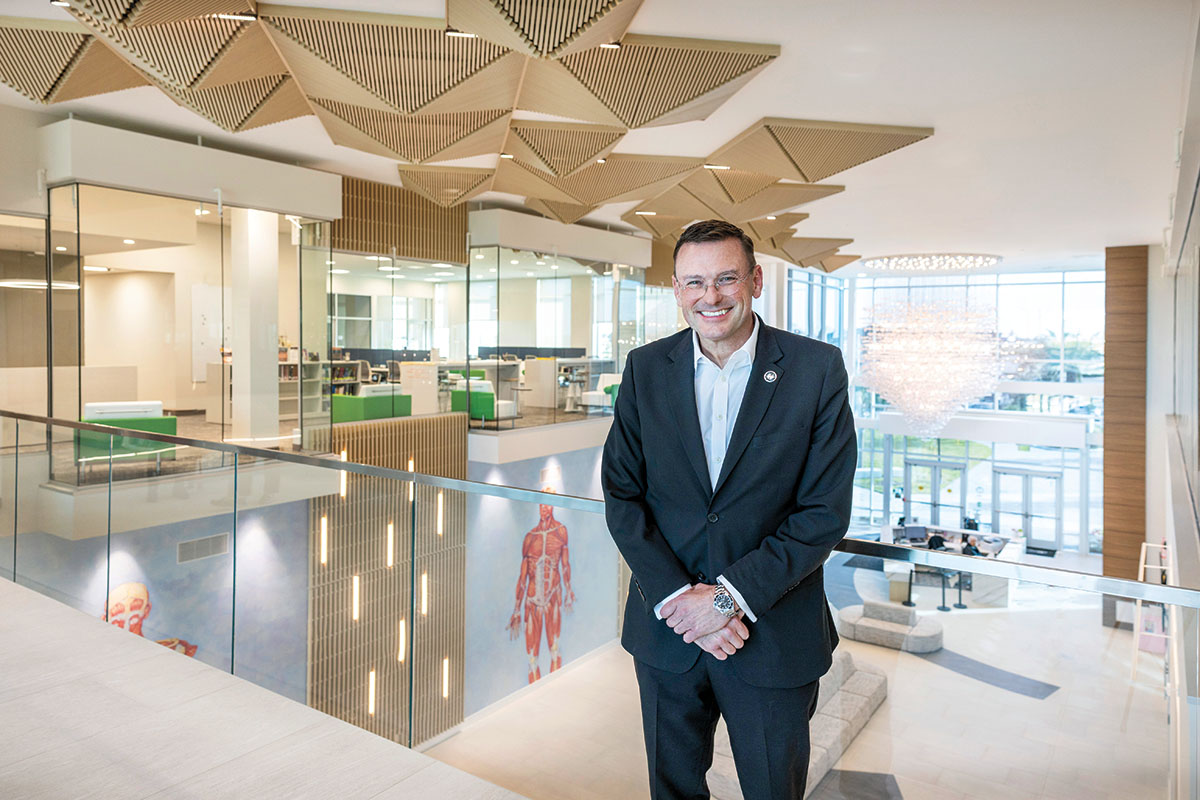
Cost, who's been at the helm of JU since 2012 and will transition to chancellor this summer, was determined to bring more professional schools — including a law school and a medical school — to the institution, which had historically been focused on liberal arts, though it has strong orthodontics and nursing programs. The JU College of Law opened in August 2024 and held its first graduation in May 2025, checking one of Cost's boxes.
But despite the presence of the Mayo Clinic and MD Anderson Cancer Center, Jacksonville had never had a four-year medical school and thus no direct talent pipeline for those leading health care institutions. Cost saw an opportunity to fill that void, but funding a medical school so soon after the law school — and amid some financial struggles — was a tall order.
He found the perfect partner in LECOM, which came to the table with a $50-million investment. It acquired the land for the new school, oversaw its construction, hired faculty and developed the curriculum. It will also award degrees: Graduates' diplomas will read, "Lake Erie College of Osteopathic Medicine at Jacksonville University." In return, JU has made available its entire campus and affiliated resources — study spaces, dining facilities, libraries, athletics, etc. — to LECOM students.
The fast-growing field of osteopathy focuses on hands-on techniques that manipulate a patient's musculoskeletal system.
Another outside-the-box partnership is taking shape in Lakeland, where Florida Polytechnic University has teamed up with OCOM to create an accelerated joint degree program starting in the fall semester this year. Students won't be required to take the Medical College Admission Test (MCAT) to gain entry and will do their first two years of study at Florida Poly before transitioning to OCOM for four years. The credit hours they earn during their first year at OCOM will count toward their bachelor's degree at Florida Poly, "sort of like their fourth year at college," OCOM's Hasty says. For students in the joint-degree program, Florida Poly will reduce the number of general education classes required of them so they can fit in additional science, technology, engineering and mathematics coursework.
Students who successfully complete the program will earn a bachelor of science degree and D.O. degree in six years as opposed to eight, shaving two years' worth of tuition and living expenses off the cost of their education and hastening their entry into the physician workforce.
"It's a heck of a deal," says Hasty. "Everybody talks about how to reduce the cost of higher education, and we're doing something about it."
Florida Polytechnic University President Devin Stephenson says the program will be highly competitive, with only 22 spots, initially, for the state's best and brightest. The university plans to accept another 22 students in 2027. In a statement, Stephenson calls the partnership with OCOM "a transformative opportunity for students who want to become physicians and are eager to begin serving their communities. ... We are reimagining what's possible in health education and responding to a critical need for more doctors across Florida and beyond."
Myths vs. Facts
Osteopathic medicine has endured criticism, skepticism and misconceptions throughout its 152-year history, starting with the difficulties experienced by its founder, Andrew Taylor Still. Here's a closer look at the facts.
MYTH: D.O.s are less qualified to practice medicine than M.D.s because D.O. schools are easier to get into.
FACT: The MCAT score range is 472 to 528, and a score of at least 510 is generally required for admission to an allopathic medical school. Some osteopathic schools, such as Burrell, will accept applicants who score between 500 and 510. "We want well-rounded [applicants]," Newman says. "People who want to practice in underserved communities, community hospitals, things like that. That's what we're going for, and I think that's another reason why we're growing so much."
D.O.s must meet the same board certification requirements as M.D.s and complete a residency of three to seven years, just like their allopathic counterparts. You could even argue that D.O.s have a more difficult path, as they're required to complete an additional 200-plus hours of osteopathic manipulative treatment training.
MYTH: The cost of tuition at osteopathic medical schools is much higher than at allopathic schools.
FACT: Tuition costs vary widely depending on the size and type of institution. LECOM tuition, for example, is at the low end of the spectrum, ranging from $38,275 to $42,550. The privately owned, nonprofit company has four schools and is about to open a fifth at Jacksonville University, so it can operate with efficiencies of scale. Burrell (privately owned, forprofit) and NSU (privately owned, not-for-profit), meanwhile, are pricier, charging nearly $70,000 per year. OCOM (privately owned, for-profit), at $55,825, falls somewhere in the middle.
Many allopathic medical schools, however, have the advantage of being publicly funded and can charge lower tuition for in-state students. Only a handful of public universities in the U.S. — seven, to be precise, and none in Florida — boast osteopathic medical schools.
The D.O. business model, fairly or not, has drawn criticism because some schools charge a non-refundable "seat deposit" fee that can be as high as $3,000 but is applied to the cost of a successful applicant's tuition.
Medical Money
Another impetus for the rapid proliferation of osteopathic medical education in Florida is the vision and generosity of Dr. Kiran Patel, a successful health care entrepreneur and one of Florida's most prominent philanthropists, and his wife, pediatrician Dr. Pallavi Patel. In 2017, they committed $200 million to Nova Southeastern University to establish the 27-acre Clearwater campus for NSU's College of Osteopathic Medicine on the site of a small private Christian college that closed. (NSU was an early adopter of osteopathic medical education, establishing a school in 1981 at its main campus in Fort Lauderdale.)
The Patels, with a $75-million gift, also founded OCOM, which opened in March 2024, and their family office is involved in the development of an OCOM sister school in Naples, though the amount of their investment in that $170-million, 108,000-sq.-ft. project hasn't been disclosed. The Naples College of Osteopathic Medicine is expected to welcome its inaugural class in 2028.
The couple supports aspiring M.D.s, as well, donating $25 million — earmarked for scholarships — in 2018 to NSU's College of Allopathic Medicine in Fort Lauderdale.
Different Methods, Same Goal
D.O.s and M.D.s can and do co-exist peacefully, often within the same hospitals and clinics. While they share similar goals, they take different approaches. M.D.s are "looking for disease," Burrell's Newman says. "The osteopath's job is to look for health ... and help the patient get to health. The M.D.'s job is to stamp out disease. M.D.s want health, too, but that's not how they're trained."
For example, she adds, "If I'm a M.D. and you've got gallbladder pain, I'll take out your gallbladder and throw you some medication. That's where I stop. I've done my job." But as an osteopath, "I want to talk with you about your nutrition. I want to put my hands on your body, because that gallbladder is going to send messages to your musculoskeletal system and cause spasms. I want to get those down so your gallbladder will have the best neurological and vascular flow to it, to heal ... and help optimize healing in your body so you can get better faster."