








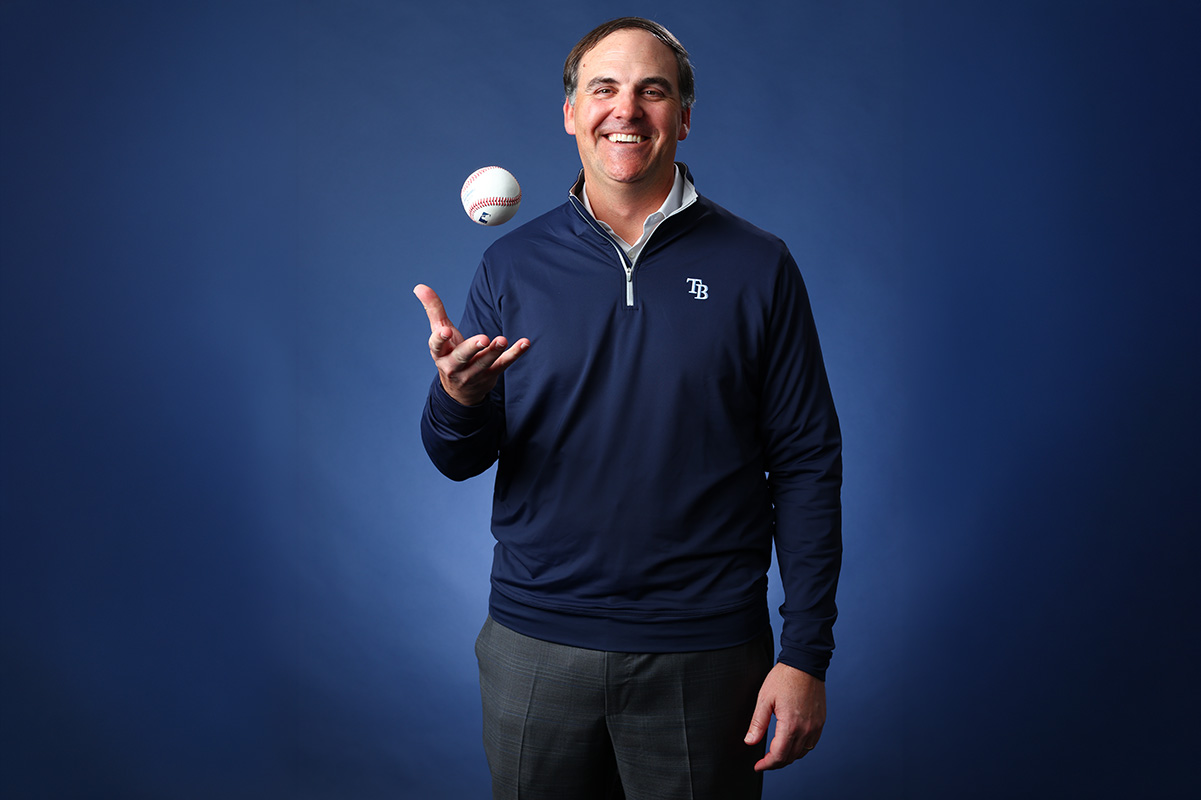




The Great Financial Crisis of 2008 hurt all sectors, but its roots in subprime mortgage failures hit homebuilders especially hard. It wasn't an ideal time to be in your late 20s, having just taken the risk of walking away from a stable corporate job to launch your own homebuilding company. But that's where Patrick Zalupski found himself, pretty much broke after the nine-unit Bay Street Condominium in Northeast Florida's Green Cove Springs — his first new construction project — became another casualty of an economy in freefall.
A few years earlier, his mother had advised him to stay in Memphis, working at FedEx as an internal auditor. "She was like, 'It's such a great job. You're so safe,'" he remembers. She was a successful Jacksonville Realtor who rehabbed condos with her partner. Zalupski figured he could do that, too, making more money and being his own boss. In 2005, at the age of 25, he moved to Florida to rehab properties, learning how to do tile, drywall, trim, countertops, appliances — "anything nonstructural" — himself. He doubled what FedEx would have paid him the first year, only to see the recession wipe out the few assets he had accumulated.
He didn't let that stop him. "I never had any hesitation" about starting over, he says. "My mentality was there's no place to go but up." He studied what happened and developed a different development business model, locking on three adjustments that he believes catapulted his company, Dream Finders Homes, to become the nation's 14th-largest homebuilder. Those adjustments include: not building condos, which are first to suffer in a recession and last to recover; targeting areas that will attract professionals and middle-class buyers; and not buying land until he's ready to build. That recession-resistant, lower-risk approach allows him to be nimble and if another downturn hits, not get stuck with a devalued asset.
Backed by the Clay County Housing Finance Authority, Dream Finders Homes built 27 homes in 2009, doubling that in 2010. Today, it operates in 10 states and generates nearly $4.5 billion in revenue. After a 2021 IPO made him a billionaire, Zalupski — a self-described sports fanatic who played football and baseball growing up — took another calculated risk last year and led an ownership group's $1.7-billion purchase of the Tampa Bay Rays.
Zalupski and his partners hope to build a $2.3-billion stadium and mixed-use development across from Tampa's Raymond James Stadium where Hillsborough College sits today. They say they're willing to pay half, with much of the public's share coming from taxes and fees generated by the development. The Rays have been trying in vain to replace their current home, Tropicana Field, for at least two decades. Zalupski, 45, is confident his plan can be "transformational for Tampa" because he's studied the issue and pressed Major League Baseball about economic reform and other possible changes — he calls them "modernizations" — that can help small-market clubs like the Rays compete.
"Nobody would get into business and say this is the business model I want to replicate," he says.
That emphasis on due diligence, pushing the commissioner of baseball for information, is part of Zalupski's drive to succeed, says former Florida House Speaker Will Weatherford, who joined the Dream Finders' board of directors in 2023 and is part of the new Rays ownership group. The two met through mutual friends and bonded during golf outings. He calls Zalupski "an intellectually curious person. ... If he's with someone that has a type of business he's never worked in before or doesn't have any exposure to, he'll ask questions, like 'explain to me how that works.'"
"That's a good attribute to have as a businessperson," Weatherford says.
LIFELONG LEARNER
Alan Ratner has been analyzing the homebuilding industry for 20 years, starting at Credit Suisse and now as managing partner for Zelman's in New York. He met Zalupski before Dream Finders went public, seeking his input for surveys about the housing market.
"He's a student of the business," Ratner says. "He'll email me with questions and comments on things we write and observations. You know there aren't too many CEOs who read all the reports that we publish, even the ones that don't necessarily have anything to do with his company."
Zalupski is Dream Finders' largest shareholder, owning more than 60% of all stock, so his interests align with other shareholders, Ratner says. Dream Finders "has been probably the most consistent and fastest-growing company of all of them that have gone public. They continue to grow at a very impressive rate, whereas a lot of the companies that went public kind of flatlined a little bit or have even shrunk. ... Operationally speaking, they're definitely at the top of the pack in terms of the performance since they've gone public."
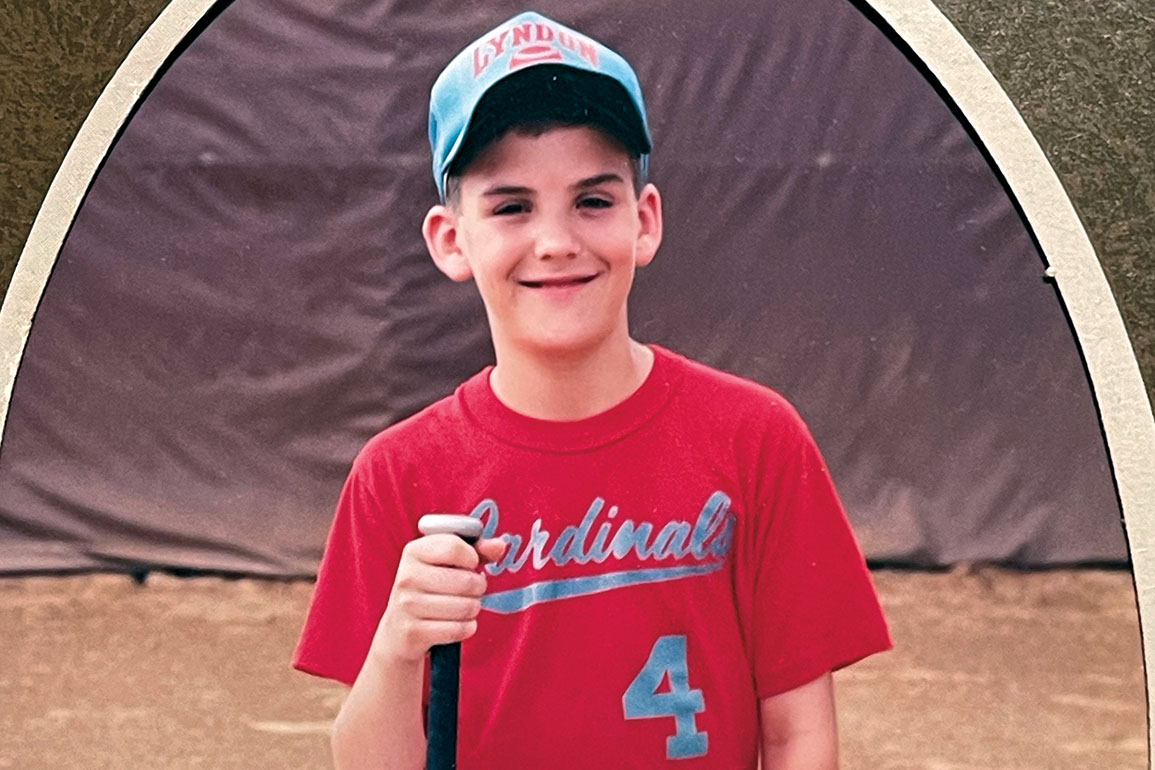
Growing up in Michigan, Zalupski and his two younger brothers were sports-obsessed, copying box scores from the daily newspaper and creating spreadsheets in notebooks. "At the time, we were just fascinated by batting averages and home runs and touchdowns and completion percentages," he says. "Looking back, that led ultimately to a path in finance and understanding the financial aspects of business."
His father was an executive with Whirlpool and GE Appliances, a job that led the family to spend his high school years in Belgium, starting in 1995.
As a child, Patrick Zalupski and his brothers would copy box scores from the newspaper and analyze them, which helped him as he went into finance.
Spending his high school years abroad exposed Patrick Zalupski to diplomats and business leaders, adding another layer to his education.
The Zalupski boys may have been lacking a bit of sophistication before the move. "My mom said we were moving to Brussels," he remembers. "My brothers and I actually thought that was in Colorado. We were real excited. We thought we were going to be skiing a lot. She looked at us awkwardly, maybe uncomfortably and said, 'No, it's in Belgium.' We all said, 'Where's Belgium?'"
He attended the International School of Brussels, making friends with the children of Asian and European diplomats and Fortune 500 company executives like his dad. "We had incredible access to people who were great leaders in their own fields of business. You kind of absorb it as you grow up," he says. For example, classmate and best friend Matt Bronczek was the son of a FedEx Express executive who would go on to be FedEx president and COO. That connection helped Zalupski secure two internships and that auditing job he walked away from in 2005.
He sought the blessing of David Bronczek, his friend's father, before making the move. Now, David and Matt Bronczek are part of the new Rays ownership group.
STAYING IN THE GAME
During his youth, Zalupski excelled at baseball (pitcher and first baseman) and football (running back and linebacker), traveling throughout Europe to play other international schools and bunking with host families. He made Villanova's football team before blowing out three discs and needing surgery. He transferred to Stetson with hopes of playing baseball, but a second back injury and a second surgery sent a clear message: "Obviously my body is not meant to play professional sports or even collegiate sports at that level. Time to focus on school and try to find the right path. I went down the finance path."
He has found other ways to stay in the game. Dream Finders forged a partnership with the Jacksonville Jaguars in 2014 and became the team's official homebuilder in 2015; it has similar sponsorships with the PGA and the Florida Gators.
It's his relationship with the Jaguars that shows how Zalupski merges his sports passion with marketing for his business. Dream Finders started with a modest sponsorship that grew as the company did. Zalupski was walking with his team contact through an open space outside EverBank Stadium one day and half-jokingly said, "Why don't you let us build a home out here?" Dream Finders has built three model homes outside Gate 4 since then, promoting them as "the ultimate blend of luxury and team spirit."
Thousands of fans tour the home on game days. Built in three modules, the stadium houses later are moved to Jacksonville's Springfield neighborhood and donated to a military veteran. "It's hard to quantify any sports marketing investment directly into profit and loss," Zalupski says, "but you can sort of intuitively feel, 'has this been successful? Has this raised our profile?' ... I think it's been incredibly successful for our brand."
The stadium house shows "how big of a thinker Patrick is along with our corporate partnership team," says Jaguars President Mark Lamping, who considers Zalupski a close friend. "Just putting a sign in a stadium just refers people to go someplace else." Bringing the model home to the people connected tens of thousands of people with the Dream Finders brand.
In a December 2025 letter to Dream Finders' shareholders, Patrick Zalupski said he believes owning the Rays will benefit the company.
Will Rays fans be given similar access? Zalupski wouldn't say, but "I think you can foreshadow a sponsorship/partnership agreement" between Dream Finders and the Tampa Bay Rays. Dream Finders opened a Tampa division in 2023 and believes it and Southwest Florida can be significant growth markets. In his latest investor letter, Zalupski says he wouldn't have bought the Rays if it wouldn't "contribute meaningfully to DFH's long term success." In that same letter, he told shareholders that Dream Finders remains his top focus. The Rays "will hopefully require limited amounts of my time and resources once we have the new ballpark and development determined."
The team hopes to open the stadium in 2029. Even now, day-to-day operations from player personnel decisions to marketing to making the games affordable and family-friendly are entrusted to Rays CEO Ken Babby and President of Baseball Operations Erik Neander.
QUIET CONFIDENCE
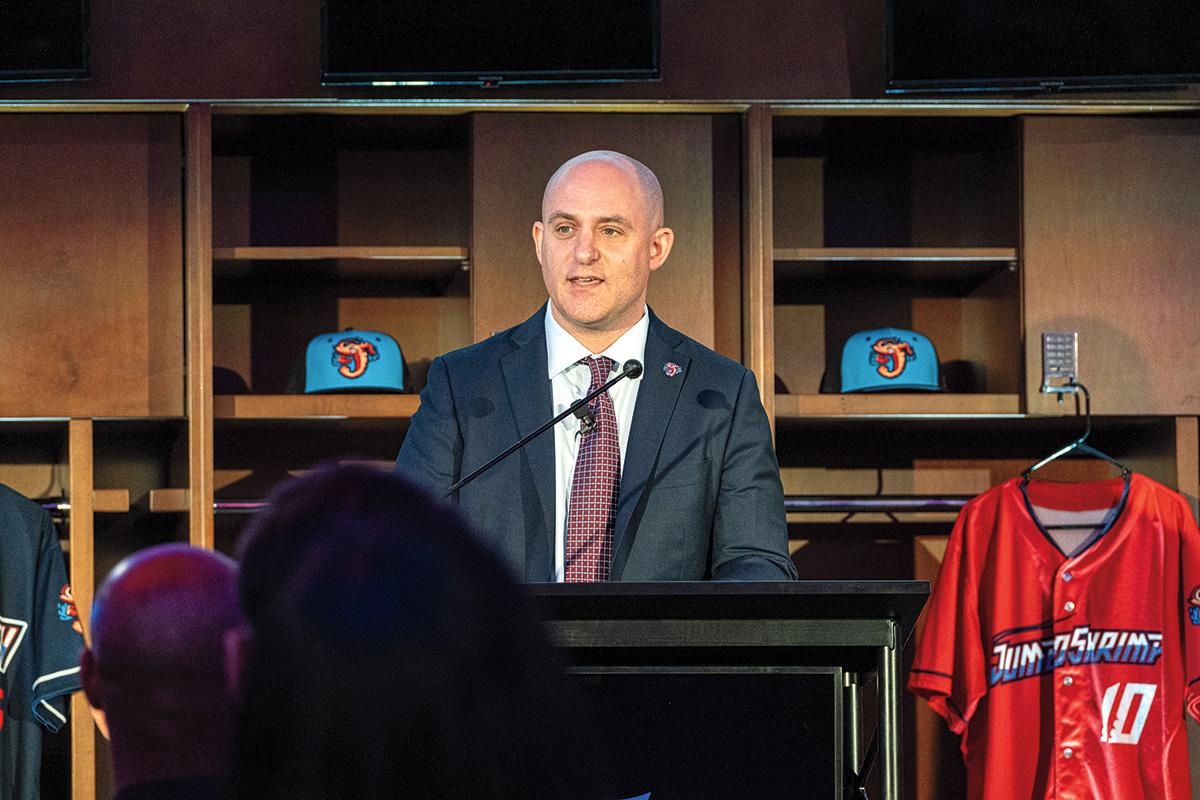
Zalupski says he wasn't looking to buy a baseball team until he got a call from Babby, then the owner of the AAA Jacksonville Jumbo Shrimp. He knew the Rays had challenges, especially finding what he calls a "forever home" stadium, and set out to learn more. It wasn't the first call offering him a chance to invest in a team, but Babby's track record and the feedback he heard from Tampa told him this could work for the Rays and for Dream Finders Homes.
"When we went public my profile increased, being a public company CEO and owning the majority of Dream Finders Homes," Zalupski says. "People start to call you. Sports brokers call you, bankers call you ... so I have a lot of inbound inquiries — are you interested in sports teams? Are you interested in buying other businesses?
"I will always take that phone call or the meeting, because it's an opportunity to learn about that business, to learn about that team, learn about that sport specifically whether it's Premier League or NBA or MLB or NFL," he says. There's a "sexiness" in owning a professional sports team, but "for me it was less about the ego and more about the business economics of it."
For all his success, Zalupski is not a self-promoter. Builder Magazine named Dream Finders its 2025 Builder of the Year, but he never mentions it in two interviews focused mostly about his business. He's not on podcasts or giving speeches talking about his rise from the 2008 recession's ashes. He's quick to acknowledge the help he got along the way, from Clay County's finance authority, from his mother, from family friends and his life abroad.
"He doesn't have a me-first mentality," Weatherford says. "He's not trying to beat his chest publicly and doesn't feel like he has to be out in front all the time. There's a quiet confidence with him as leader."
He has "a very consistent and very tempered personality," Lamping says. "I've never seen him incredibly high. I've never seen him incredibly low."
And that makes him comfortable delegating day-to-day control of the team to Babby, Neander and the rest of the Rays management.
"One of my strong suits in business is being able to identify talented, hardworking, like-minded individuals and give them the ... support to really do what they do best," Zalupski said. "If you really want to scale, you have to have the right balance of understanding the business but also letting people do their jobs. I've never been insecure about hiring people who are smarter than me and more talented than me in a lot of different aspects of business. I'm always motivated and have a desire from learn from other people.
"Without great people you can't do anything."
Dream Finders Homes
INCORPORATED: 2008
IPO: Jan. 20, 2021, with an initial price of $13 per share
CURRENT STOCK PRICE: $17.55 as of March 3, 2026
2024 REVENUE: $4.45 billion
2024 HOME CLOSINGS: 8,583
Source: Dream Finders Homes November 2025 Investor Presentation
Asset Light
Dream Finders Homes' rapid growth is credited to its "asset light" model, in which land sales are not finalized until a project is almost ready to go. It helps keep his ledgers clear and, Zalupski says, doesn't leave the business holding land it can't make money on if the economy sours.
Here's how he explained it in his inaugural investor letter signed April 6, 2022:
"I wish I could say it was a stroke of genius, or years of studying at an elite business school (which I did not attend. ..), but the truth is it was out of necessity. The reality is when I started the business, I had zero dollars of equity and a $200,000 loan that I personally guaranteed (with zero assets to support the guarantee). My thesis was that we could buy land at very attractive prices and that there was demand at the entry level, where rapid 2005 price appreciation had passed up a number of buyers."
Developers, he noted in the letter, are "generally happy to let us put up a deposit to tie up future land positions" if Dream Finders agreed to pay them a premium for the property.
Civic Minded
Talk to his friends and they invariably mention Patrick Zalupski's civic commitment. Before joining the University of Florida's board of trustees in 2023, Zalupski heard about stalled efforts to bring a UF campus to his hometown. UF was looking away from Jacksonville to West Palm Beach. "We cannot miss this opportunity," he thought. "This is too important" for Jacksonville's future. Board Chair Mori Hosseini, a fellow homebuilder, was among his first calls.
"He and I just sat there and had a couple of beers and literally talked through what was going on," Zalupski says. If the city would commit $100 million to the project, Hosseini told him, he probably could get the state to match it. That sounded too pricey for the city, so Zalupski suggested raising $50 million from the private sector and seeking $50 million from the city.
"He said that's even better because then you've got business community buy-in, city buy-in and state buy-in," Zalupski says. "And I said, 'Great, I will do that for you.'"
Dream Finders committed $2.5 million, then its largest donation, as he solicited others to join him. "Patrick doesn't expect people to do anything that he's not personally prepared to do," says Jacksonville Jaguars President Mark Lamping. "So that always makes the ask easier."
"You needed a local person that was going to coordinate and coalesce the business community to get behind this because it's a transformational opportunity" for Jacksonville's downtown, says Daniel Davis, CEO of the JAXChamber. "Patrick was the one that led on that."
He met Zalupski decades ago when Davis led the Northeast Florida Builders Association. Zalupski brings "the same passion, drive and tenacity as I saw (at the beginning), which is really cool to see. ... You don't see him dialing back in the least bit. It's full foot on the gas the entire time."
UF Jacksonville will welcome its first students this fall.
Babby's Challenge
Rays CEO Ken Babby comes to Major League Baseball after what he calls a 14-year apprenticeship in the minor leagues. After rising to become the Washington Post's chief revenue officer and Washington Post Digital's general manager, Babby left newspapers in his early 30s and bought an AA baseball team in Akron, Ohio, and then bought the AAA team Jacksonville Jumbo Shrimp — so named by him because Jacksonville is a big city geographically while in many ways still a small town.
Both teams saw attendance gains which Babby, who runs the team's day-to-day operations, says he can reproduce for the Rays, chronically suffering with one of baseball's lowest box office numbers.
"There's nothing more important than serving your customer, which in our business we call fans," Babby says. "We work in a business where our fans, our customers, get a chance to decide every day whether they want our product or not. Nobody has to come to a Tampa Bay Rays game."
His newspaper experience provides him some perspective on running the Rays. Both are community institutions that need to change with the times. He helped the Post, "a 130-yearold ink-on-paper newspaper business evolve to becoming a digital business" and believes the Rays similarly need "to evolve and grow."
That means delivering "affordable family fun." Minor league baseball, he says, "is the best proving ground to try things, to explore new ideas, to test, to learn." That includes identifying fan favorites in food, promotions and more.