











Israeli immigrant and Florida-based entrepreneur Ben Sharfi's diverse holdings include restaurants, a company that makes battlefield computers for the military, a private jet charter and the Buccaneer Marina & Resort in West Palm Beach.
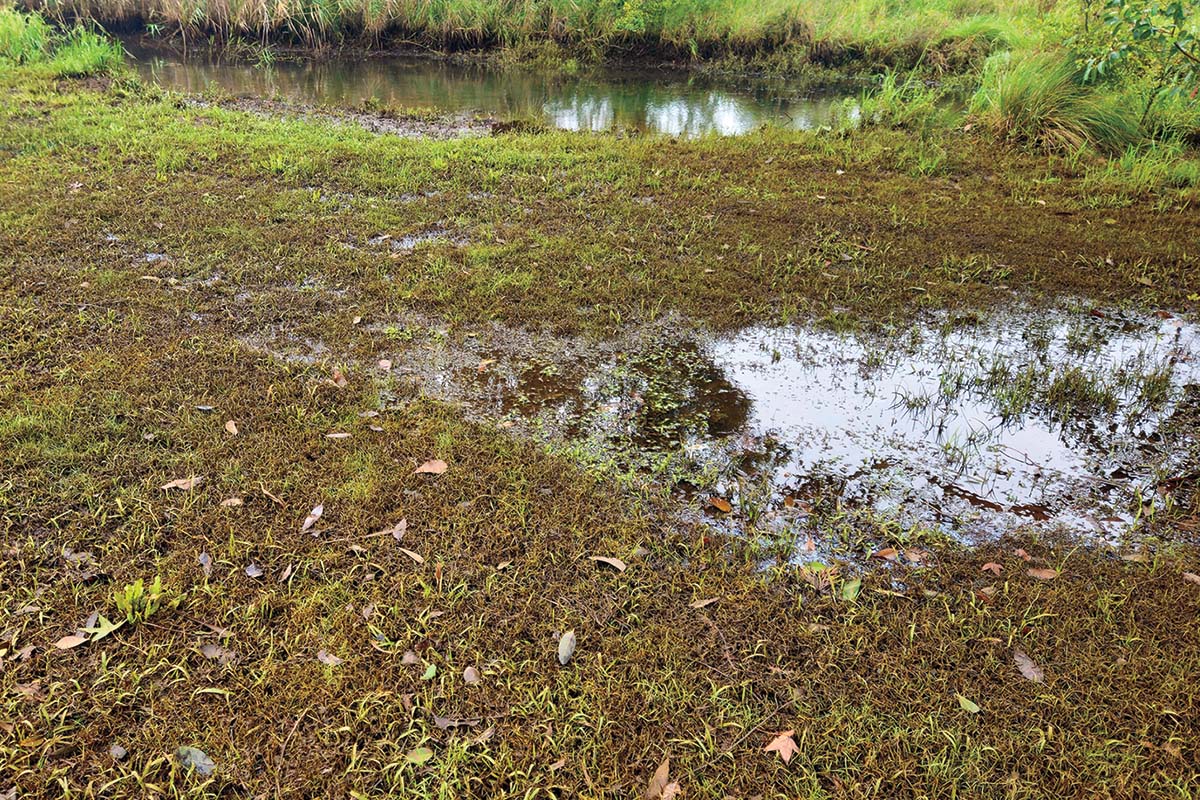
A particular holding, his organic Nesha Farms in Martin County, drew the ire of the U.S. Army Corps of Engineers. He bought 10 acres adjacent to the farm to expand, set aside a couple-acre wetland on the site as untouchable and got the required permit from the regional state water regulator, the South Florida Water Management District, to fill a few ditches that at the wettest time of the year would have standing water. The ditches didn't have any continuous surface connection to permanent bodies of water.
Nevertheless, Corps representatives showed up one day and told him he needed a federal permit as the ditches comprised "waters of the United States." For decades, under the Clean Water Act, the federal government held an expansive view of what constitutes U.S. waters. The U.S. Supreme Court, however, in several rulings has indicated the federal agencies are overreaching.
Property owners in Florida are required to get state permits and often local government ones. The extra federal permit takes a lot of time and money even when the project isn't controversial, says Sharfi's attorney, Neal McAliley of Carlton Fields in Miami. "Time is money for people in the private sector, and also this federal permit is completely redundant. It's not like people are doing things without any kind of government oversight. It's just, do you need that additional layer on top of oversight?"
The Corps sued Sharfi's farm company and lost. "It marks sort of a new era where there are real limitations on your need for a federal permit to do work in wetlands and other waters in Florida," McAliley says.
The ruling doesn't give owners carte blanche. Many wetlands remain under federal jurisdiction and, even if not, landowners need a state permit.
The case came as the state, environmental groups and the federal government tangle in federal appellate court in Washington, D.C., over a 2020 decision by the Environmental Protection Agency to make Florida one of only three states to which the EPA delegates its dredge-and-fill permitting program. Such delegation is encouraged under federal law, but environmental groups sued. A court found the EPA process flawed in granting Florida the authority. It ordered a do-over. The state is appealing.