








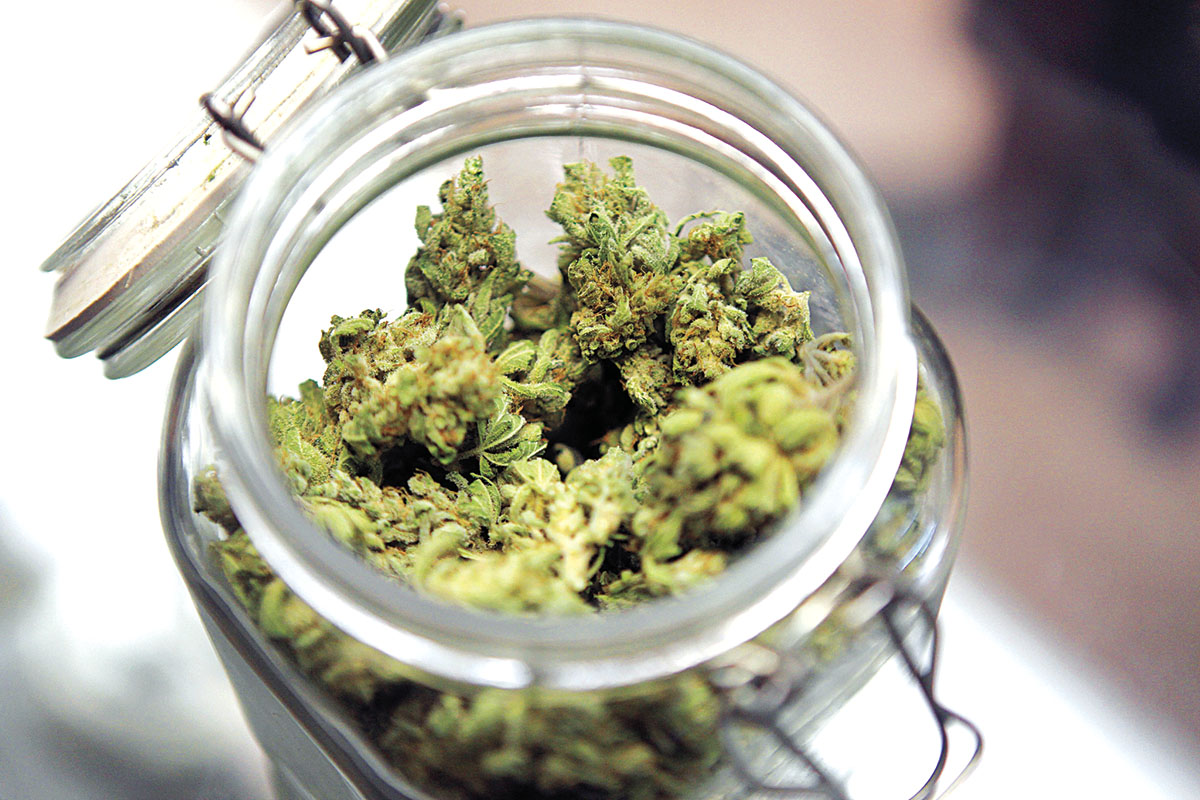
Employers face new challenges over marijuana use among their workforce after Hillsborough County paramedic-firefighter Angelo Giambrone prevailed — at least at the lower court level — in a suit against the county.
The county suspended Giambrone after he failed a random drug test. He had a Florida medical marijuana card and used marijuana for anxiety and sleep disorder but said he only did so off-duty and never worked under the influence.
He argued he was protected by disability accommodation law. The county argued it had solid reason for refusing an accommodation: Marijuana is illegal under federal law and, as a Schedule I drug, has no accepted medical use.
Courts have held that illegal drug use isn't protected by the Americans with Disabilities Act, but Giambrone won in court in 2025. The county is appealing.
The county's position has been complicated by President Trump's December executive order pushing for marijuana to move from Schedule I — a substance with no accepted medical use and high potential for abuse — to Schedule III, a category with accepted medical uses and moderate to low potential for dependence.
Rescheduling doesn't make marijuana legal but, according to David Harvey, partner and business unit leader in labor and employment law for Kelley Kronenberg, rescheduling does have implications for employers.
"If the federal government officially recognizes marijuana's medical use, courts will take a harder look at whether employers must accommodate medical marijuana users under disability laws like the Americans with Disabilities Act," says Harvey, who wasn't involved in the Giambrone case.
Employers in safety-sensitive fields — health care, transportation, manufacturing, construction — still have reason to enforce drug-free policies but will have to address offduty use that doesn't affect work. Look for a shift from outright bans to "impairment-based policies" such as already exist for alcohol and prescription meds.