

Florida has never been afraid to think big. That mindset has helped transform our state into an economic powerhouse. Today, Florida is the world's 14th-largest economy, eclipsing $1.8 trillion in GDP.
Through our Florida 2030 Blueprint, Florida's business and community leaders set a more ambitious goal: becoming a top 10 global economy while creating opportunities for every Floridian to participate in and benefit from that growth.
But Florida's economic success is about more than a big number. People and businesses have choices, and they are choosing Florida.
As stated in the Chamber's Free Enterprise Florida campaign, Florida ranks No. 1 in the nation for business relocations, new business startups, and net income migration. More than $20 billion in net income moved into Florida over a year, compared to states such as New York ($9.9B), California (-$11.9B), and Illinois (-$5.9 B), and our state continues to welcome an average of 551 net new residents each day. Florida's economy grew 6.3% over the past year, surpassing Australia, Spain, and Mexico in economic size. We are now within striking distance of South Korea for No. 13. Reaching the top 10, however, will require approximately 21% more growth.
And Florida's growth is not slowing down. By 2030, we project 23.5 million residents, more than 10 million jobs, 40 million additional annual visitors on top of our already record numbers, and 1.3 million more drivers on our roads. That is an opportunity, but it also brings responsibility. We must follow the Florida 2030 Blueprint to grow smarter, prepare our workforce, strengthen our infrastructure, and make sure our communities are equipped to keep pace with Florida's success.
That is not an accident. It reflects years of choices that have made Florida a place where local entrepreneurs can build, businesses can grow, and people can pursue opportunities.
That is worth celebrating. But it is not a finish line. Our next chapter cannot be about growth alone. As I always say, free enterprise isn't free. But it's certainly worth fighting for.
Nearly 72% of Florida's workforce leaders report struggling to find qualified talent. The jobs are here, but we must make sure Floridians are prepared to fill them. That means connecting education and training to the needs of employers and expanding career and technical education, apprenticeships, and internships.
That work starts much earlier than most people think. Organizations like American Magic, BlueWind Technology, and St Engineering in Northwest Florida are partnering with educators and community organizations to connect students and job seekers with career pathways and help build the workforce Florida needs.
More than half of Florida's children entered kindergarten in 2025-26 without being fully ready to learn. That is a challenge for our schools, but it is also a challenge for our economy.
The good news is that progress is possible. Florida's third-grade reading proficiency has improved from 55% two years ago to 57% last year and 60% this year. Forty-nine percent of our 67 counties improved, with Madison County seeing the most improvement at (+18). We should celebrate that progress, as we strive for 100% reading proficiency.
The same is true when it comes to childhood poverty. Florida has nearly 200,000 fewer children living in poverty since the Florida Prosperity Initiative launched, moving us closer to the Florida 2030 goal of cutting childhood poverty in half. While communities in Hillsborough, Duval, and Manatee Counties are showing tremendous progress, 711,576 Florida children still live in poverty, and more than half live in only 15% of our 983 zip codes.
These are not simply education or social-service statistics. They are workforce statistics. They are economic-development statistics. They are Florida's future.
The Florida 2030 Blueprint recognizes that economic competitiveness, talent, education, infrastructure, and quality of life are connected. We cannot have a world-class economy without a world-class workforce. And we cannot have a strong workforce if children are not prepared to learn.
So, where do we go from here?
We keep doing what works. We measure what matters. We confront the gaps honestly. And we bring business, education, government, and community leaders together around solutions.
Florida has already shown the world what is possible when free enterprise wins. Now, we have to make sure the next generation is ready to build on it.
I look forward to continuing this conversation with Florida's business, non-profit, policy, and community leaders at the Florida Chamber Foundation's Future of Florida Forum & Florida Chamber Annual Meeting in Orlando this week, as we look at where Florida stands today and where we are headed next as we shape the Florida 2040 Blueprint.
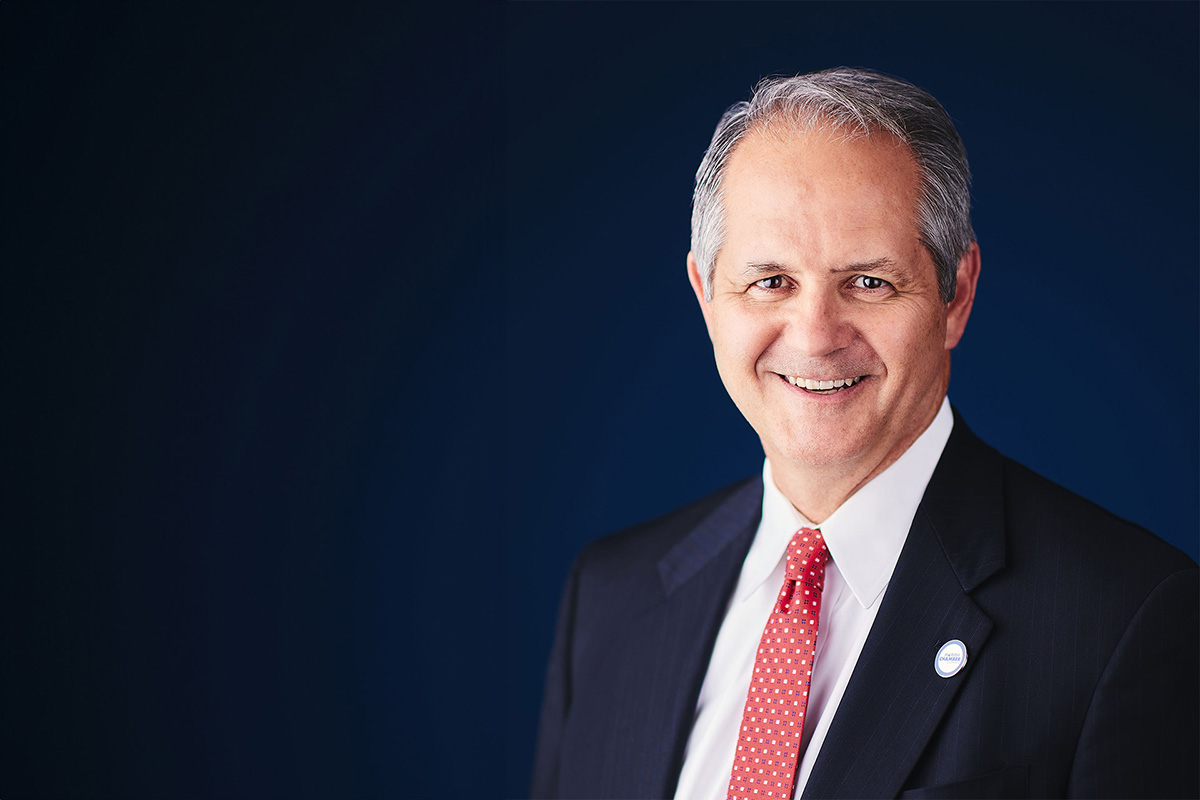
Mark Wilson is the President & CEO of the Florida Chamber of Commerce and Foundation