








Florida approves temporary ban on H-1B visas in university system
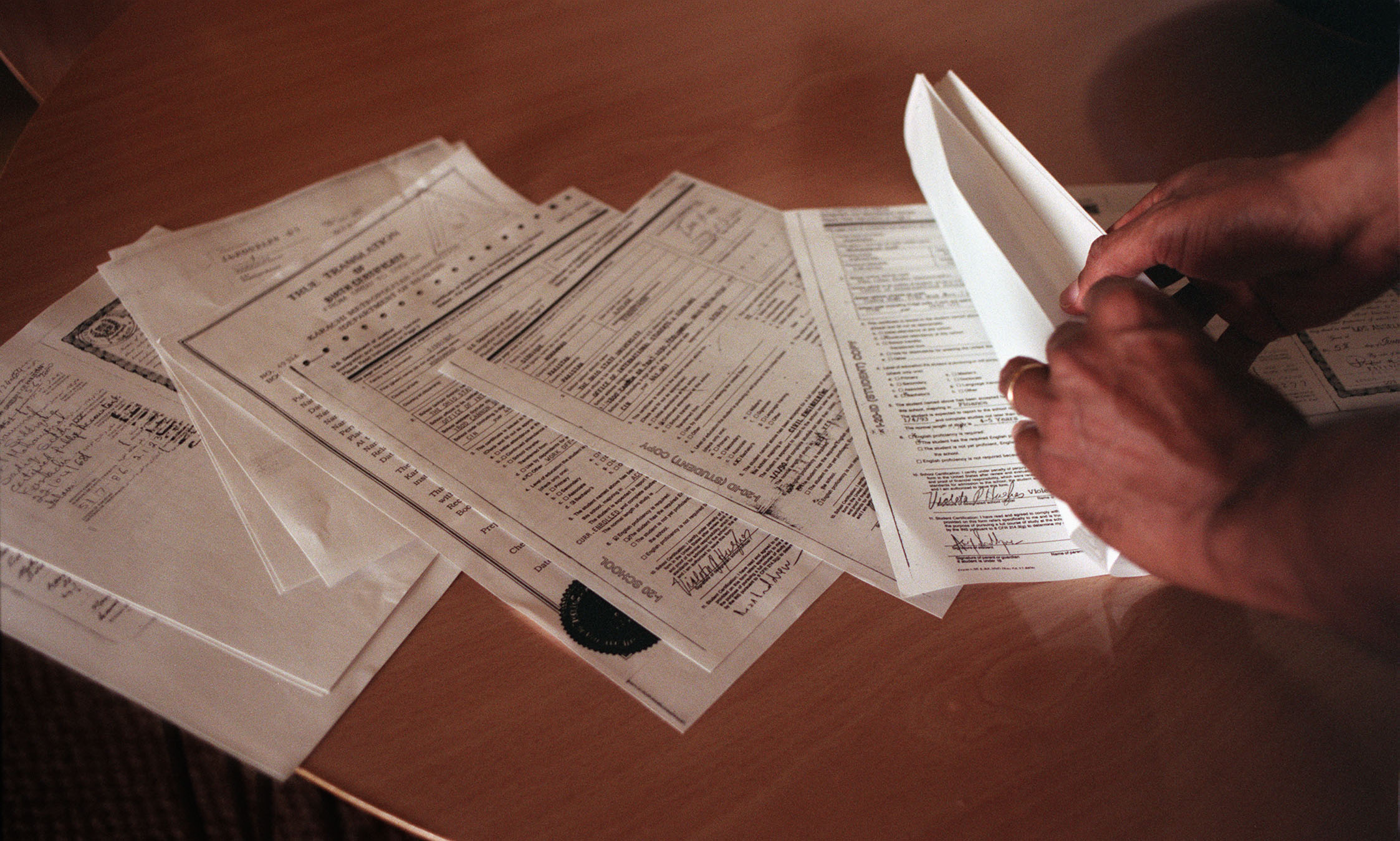
The Florida Board of Governors on Monday approved a temporary ban on using H-1B visas to hire within the state’s public universities. The pause on H-1B visas, which offer temporary occupation for specialty workers, will be in effect until Jan. 5. Current employees will not be impacted. From October 2024 to June 2025, the University of Florida employed 156 H-1B visa holders. The University of South Florida employed 72, and Florida State University employed 69. More from the Tampa Bay Times and WUSF.
Florida Trend Exclusive
Decoding the lub dub
The latest research of Joshua Hutcheson, an associate professor of biomedical engineering at Florida International University, was inspired by his wife. As a classically trained opera singer, she studied how changes to vocal cords can alter someone’s voice. Hutcheson saw similarities between vocal cords and the heart tissues he researches. It sparked an idea: Could an abnormal heart sound indicate an underlying condition — and thus serve as an early indicator for disease? [Source: Florida Trend]
Commentary: EASE grant is solution to inflated higher-education costs
Florida does a great job keeping higher education affordable. Our state has the lowest public student tuition in the U.S., which is one of the reasons we were named the No. 1 state for higher education by U.S. News and World Report for the 10th consecutive year. However, that achievement comes at a substantial hidden cost to the Florida taxpayer. [Source: Orlando Sentinel]
Florida House, Senate find rare agreement on education bill
As many education-related bills flounder in the Florida Legislature, one made its way toward the governor’s desk on Wednesday. It’s not about any of the major policy issues, such as voucher funding and charter schools, that have generated heated public debate this session. What did make it through? The Senate adopted the House version of a measure (HB 1201) that will require employees at all public schools, including charters, to get training in how to properly tend to students who are experiencing seizures. [Source: Tampa Bay Times]
U.S. follows Florida in evaluating law school accreditation
The state Supreme Court on Jan. 15, based on a workgroup’s report, amended its Rule of the Supreme Court Relating to Admissions to the Bar to end the rule’s reliance on the American Bar Association as the sole accrediting agency for law schools whose graduates are eligible to sit for Florida’s General Bar Examination. Now, about six weeks later, a similar evaluation is underway on a larger scale. [Source: Jacksonville Daily Record]
ALSO AROUND FLORIDA:
› New institute to join Rollins College's $200M Innovation Triangle
Rollins College is expanding beyond traditional MBA education with the launch of the Rick Goings Institute for Management and Executive Leadership, a new program aimed at seasoned executives. The Winter Park-based liberal arts college has launched the institute as part of its $200 million Innovation Triangle development. The institute will start its programming in 2026 with a full launch in 2027.
› Rays, Hillsborough College expand on stadium plans at first community forum
The Tampa Bay Rays on Tuesday held the first of three community engagement sessions on their plan to build a new stadium on Hillsborough College’s Dale Mabry campus. About 100 students, faculty, Rays fans and local residents gathered in one of the campus auditoriums to hear Rays CEO Ken Babby and Hillsborough College President Ken Atwater speak and answer questions for more than two hours. Some attendees brought concerns and asked about changes to the college.
› Sarasota high school faces 1st Amendment complaint
A religious freedom group is accusing a Florida high school of violating the Constitution by having a chaplain for its baseball team. The school district denies the claim, stating it is not permitting a chaplain to minister during school-sponsored activities. The Fellowship of Christian Athletes posted on social media about serving as a "chaplain" for the team, but later deleted the post.
› Enrollment decline leads to $17M reduction in state funding for OCPS
Orange County Public Schools’ state funding will be reduced by approximately $17 million for the current school year due to a decrease in student enrollment. The adjustment follows the latest state education funding calculations. The reduction was triggered by the third Florida Education Finance Program calculation, which provides an updated student count for the district.