





Thirty years ago, the state’s economy was based on agriculture, construction and, of course, tourism. That was before the launch of a transformational makeover that has created one of the nation’s most business-friendly environments. The effort has reshaped the economy by sparking the growth of higher-wage industry sectors, including aerospace, financial services, e-commerce, biotechnology, advanced manufacturing and transportation solutions that will change the way we travel.
Put together a checklist of what you want from a business destination and the Sunshine State will find a way to put a checkmark in each of those boxes.
Florida's top assets
Florida boasts the nation’s fourth-highest population growth rate over the past 15 years. That expanding population feeds the nation’s fourth-largest economy with an annual GDP of $1.3 trillion.
To understand Florida, look at the Orlando area, known as the center of the state’s powerful tourism industry. But the region is so much more today — also serving as the global epicenter for the $5 billion modeling and simulation industry.
It’s a reminder that Florida’s past and future contribute to the state’s strength.
“Tourism, agriculture and construction are always going to be the foundation of our economy. We don't want to get past that,” says Mark Wilson, president and CEO of the Florida Chamber of Commerce. “We want to build a taller building, starting with our strong foundation. We need a manufacturing floor and a life sciences floor and an aerospace floor and on and on.”
Construction on these “floors” is well underway, bolstered by a multi-pronged approach tailored to attracting and keeping new businesses.
The results are playing out from the panhandle to the southern tip of the state, with individual regions celebrating their own successes through the cultivation of industry sectors and clusters.
To understand what’s driving this, first consider the state’s favorable business climate, which includes low taxes — thanks in part to the absence of a state income tax — and modest regulation. The state leads the nation in new business formations and in business relocations. Florida’s coffers are also a strength, with the state having the lowest debt per capita and no looming unfunded pension obligations. That financial security allowed the state, in 2025, to do away with its statewide business rent tax, offering yet another boost to businesses.
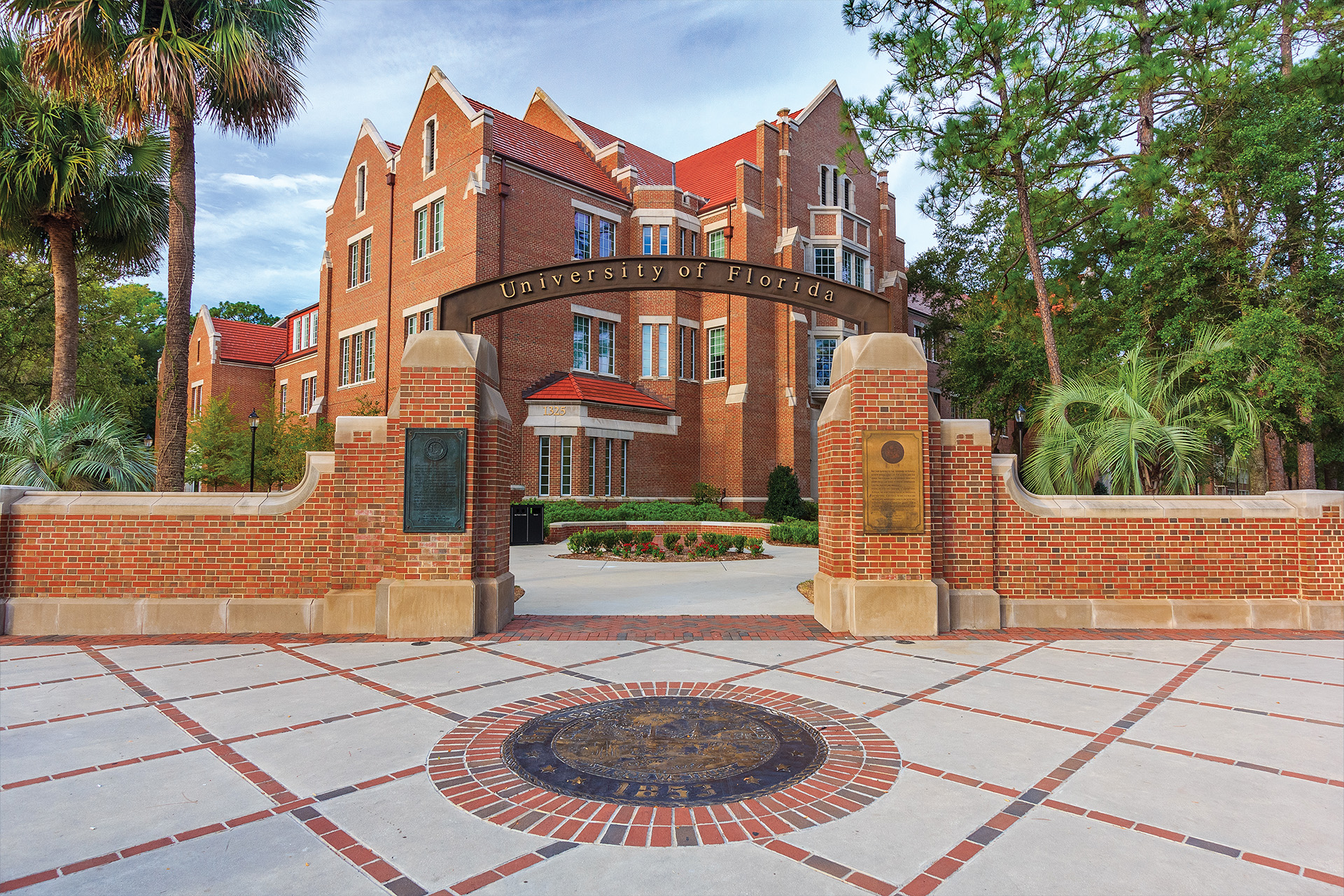
Florida also has the nation’s top education system, with dozens of state and private colleges and universities. Those schools work closely with economic development officials and targeted industries to build degree programs, certificates and other specialized training opportunities to meet the needs of Florida businesses.
The value of those workforce development efforts cannot be overstated.
“If there's one thing that companies need to be competitive in this new economy, it’s talent,” says Casey Barnes, chairman of the Florida Economic Development Council. “When you have talent and a place where talent wants to go, you have competitiveness from a business perspective.”
Geographically, the state is ideally positioned to serve as a hub for any company doing business in Central and South America — or for international firms looking for a U.S. location.
“We've always been successful in talking to companies from Europe and from Central and South America about locations in South Florida, if you want a foothold in the Americas,” says Bob Swindell, president of the Greater Fort Lauderdale Alliance. “South Florida is great. We have a similar geographic benefit to a place like Hong Kong. But the stability of the U.S. legal system is very attractive to people.”
Florida also strives to support businesses and their employees through a range of statewide programs.
The Florida Job Growth Grant Fund, for example, invests millions of dollars annually on roads, rail spurs, utilities and water systems to make large developments more attractive to prospective companies. The program also supports new college training programs, centers of excellence and certificates.
The Live Local Act addresses housing problems by fostering the development of mixed-income developments across the state. Among its features, the act allows developers to get quicker approvals from local governing bodies and makes it easier to build taller and more densely — provided the project includes affordable housing for workers.
The Live Healthy Act bolsters access to medical care by increasing residency slots in the state, offering new training programs, targeting rural areas and making it quicker for out-of-state practitioners to get their Florida licenses when they move to the state.
When you have a wide swath of political, developmental and educational leaders all rowing in the same direction, it allows great things to happen for the state and its businesses. And those efforts have paid off, says Kelly Smallridge, president of the Business Development Board of Palm Beach County.
“Florida is the center of attention for economic development. There has been a lot of movement in the last five years with companies that would have never looked at Florida before,” says Smallridge, while pointing at the tech and financial services sectors. “When these companies announce they are coming to Florida, it only attracts more and more of them, whether they're going to Miami, Palm Beach, Orlando or Tampa.”
Florida's top assets