









The U.S. Supreme Court on Monday turned away an appeal from the City of Marathon in a land use case with implications for the future of development rights in the Florida Keys. The case was the subject of an article in the March 2026 issue of Florida Trend.
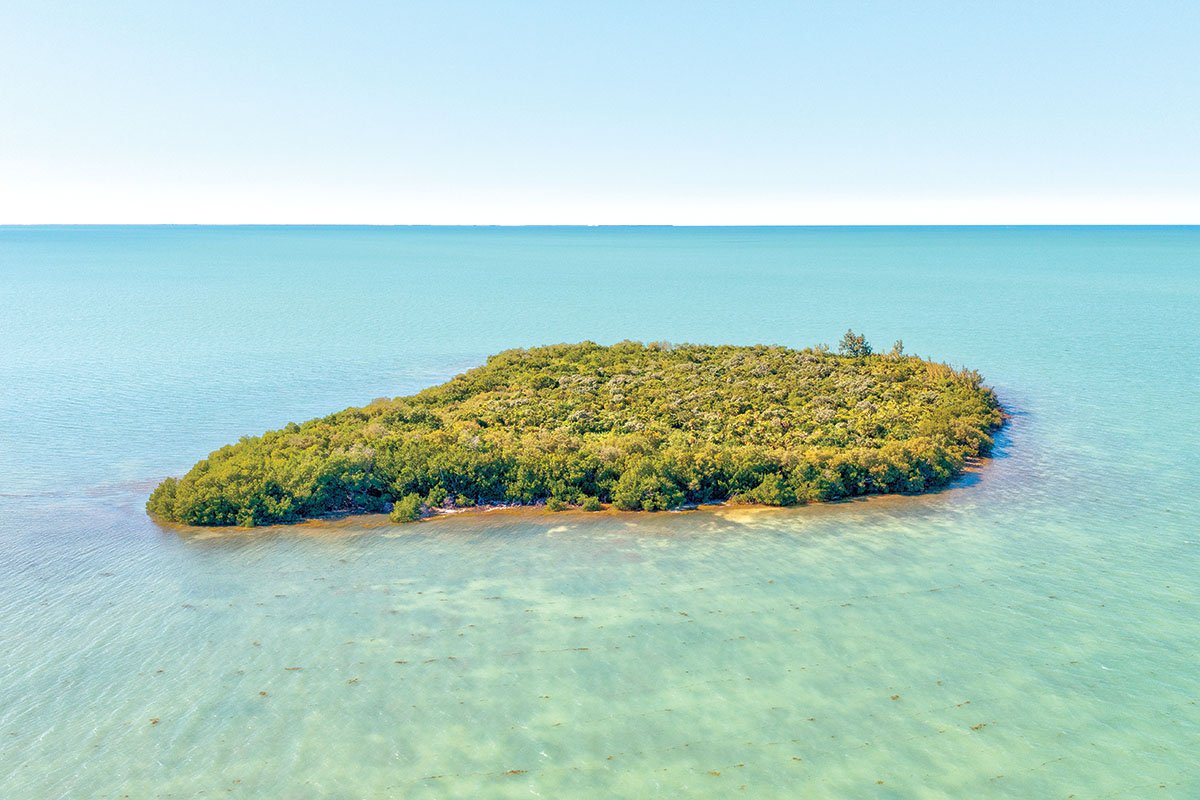
The court declined to hear Marathon’s appeal in its decades-long fight with the Shands family over Shands Key, a 7.9-acre island just north of the city. The family, which has owned the island since 1956, wanted to build a family compound on the island but local government, after they bought it, designated it as “conservation offshore land” which eliminated their ability to build.
The city offered the family development rights they could use elsewhere but no money for what the family saw as a government taking without compensation. The city argued the offer of rights meant no taking had occurred.
The state Third District Court of Appeal in early 2025 ruled for the family that a taking had occurred, and governments couldn’t avoid liability by offering transferable development rights. The state Supreme Court declined to hear an appeal. The city then appealed to the U.S. Supreme Court.
“This case reinforces a basic constitutional principle: When the government takes away all meaningful use of private property, it must provide just compensation,” said Pacific Legal Foundation attorney Jeremy Talcott. Pacific Legal represented the Shands. “The court rejected the city’s attempt to substitute transferable development rights for the constitutional protections guaranteed by the Fifth Amendment.”
Efforts to obtain immediate comment from the city weren’t successful.
The Keys are subject to the county’s Rate of Growth Ordinance, which restricts new development. Some in the Keys see a huge potential financial liability if government forbids people to build on their vacant lots. There are 6,171 parcels in the county valued by the county appraiser’s office at $2.2 billion whose owners might want to build but could be stymied by land use regulations.
The Shands now can ask the courts to set a fair value for their property — or force the city to issue a building permit.